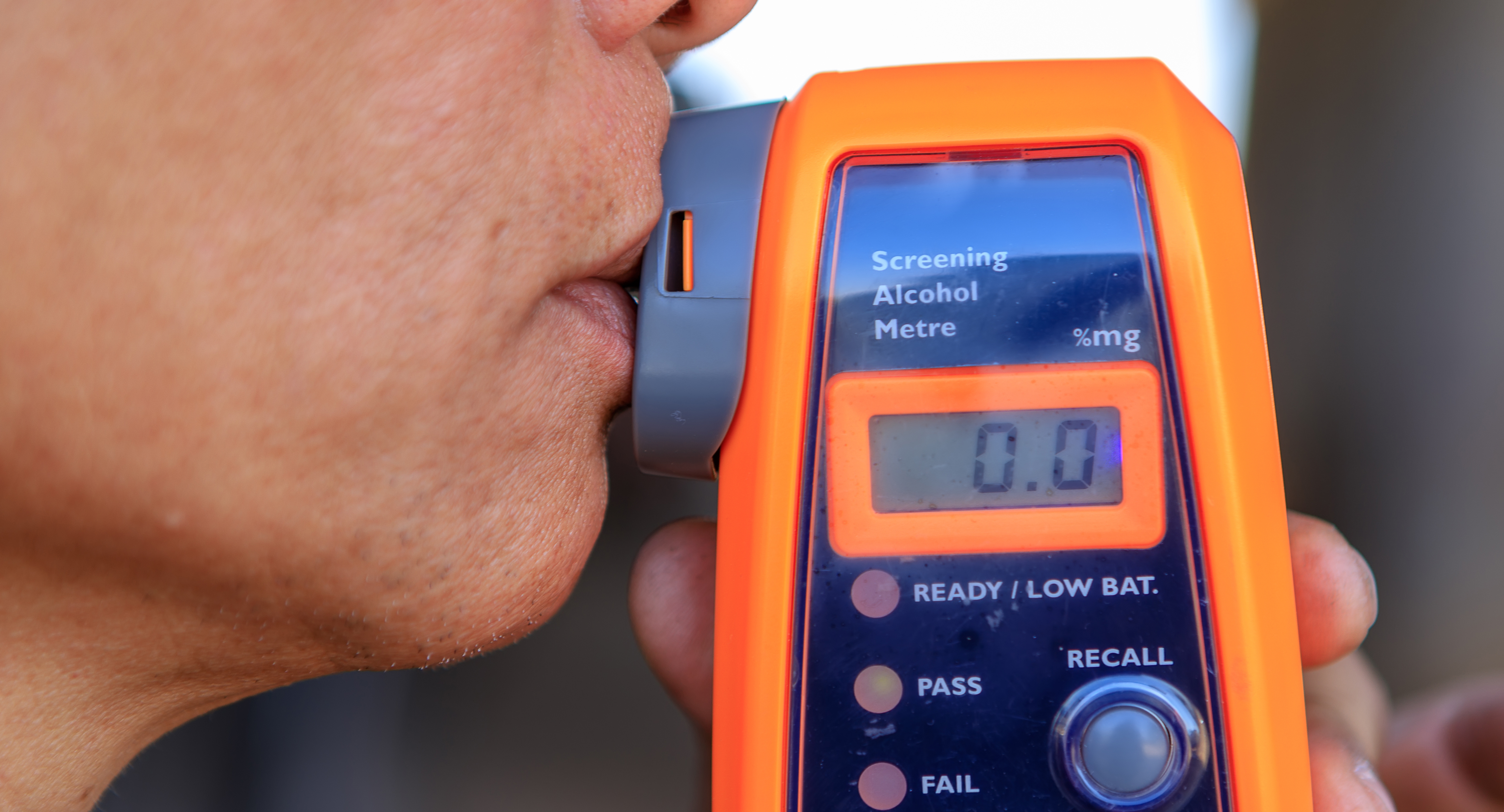
Yes. Technically, you can go to jail for a first DWI in Texas. A first offense is usually a Class B misdemeanor that carries a mandatory 72 hours in jail, even if you have no prior record, with a maximum sentence of 180 days.
The good news is that unless your DWI includes aggravating factors – for example, if a child was in the car – you've probably already served your time in jail. The time you spent in custody between your arrest and posting bail will likely cover that mandatory jail requirement.
Michael & Associates' senior trial attorneys say most of their first-time DWI defendants in Texas don't actually serve significant jail time. This is typically because the attorney can often negotiate for probation, a reduction, or dismissal — depending on the evidence.
Key Takeaways
- A few hours of jail time is almost inevitable for most DWI offenders simply because of the time served between their arrest and posting bail.
- However, most offenders will not spend any additional time in jail beyond that time served.
- In an informal poll of Michael & Associates' senior trial attorneys, we found that less than 1% of clients serve additional jail time for a first DWI.
Reality: A Jail Sentence is Highly Unlikely
The reality is that you've already served your jail time immediately after your DWI arrest. Even though the state has imposed a mandatory minimum jail sentence of 72 hours (or three days) if you're convicted, our experience is that the time served immediately after an arrest covers the mandatory sentence. Sentencing outcomes show that most first-time offenders don't spend any additional time behind bars.
Texas Department of Public Safety data shows that of the 30,066 first-time DWI arrests in Texas in 2023, 24% resulted in jail time. That sounds like a lot. However, across Texas's five largest counties, 66% were sentenced to county jail for about 72 hours, while the remaining 34% got probation.
In an informal poll of Michael & Associates' 39 senior trial attorneys, we found that, on average, less than 1% of clients serve jail time for a first DWI offense.
Exceptions
There can be notable exceptions. Some clients actually prefer jail time over the alternatives. For example, one Michael & Associates client asked an attorney to negotiate for jail time rather than probation, community service, or other penalties. This allowed the client to continue to travel for work without restrictions or an Ignition Interlock Device.
Check out this YouTube video in which Michael & Associates Founder and Managing Partner Ben Michael discusses the likelihood of serving jail time for a first DWI.
Minimum and Maximum Jail Time for a First DWI
For a standard first DWI (BAC 0.08–0.149), baseline penalties under Texas Penal Code §49.04 are:
- Minimum: 72 hours in jail
- Maximum: 180 days in county jail
- Fine: Up to $2,000
- License suspension: 90 days to 1 year
Enhanced Penalties for BAC 0.15 or Higher
If your BAC tests at 0.15 or above, the charge upgrades to a Class A misdemeanor:
- Up to 1 year in county jail
- Up to $4,000 in fines
- An ignition interlock is required in most cases.
A higher BAC significantly increases the likelihood of jail time or stricter probation terms.
When is Jail Time More Likely?
Jail is more likely if:
- Your BAC was extremely high.
- There was an accident.
- You refused testing, and the officer alleges obvious impairment.
- A child was in the vehicle (this becomes a state jail felony).
- You have prior alcohol-related arrests, even without convictions.
Do Most First-Time DWI Offenders Actually Serve Jail Time?
Though the DWI penalties sound dire, if you’ve been arrested for DWI, you’ve probably already served any jail time you’ll be required to serve. The required 72-hour minimum jail sentence is often satisfied by the brief time spent in custody after the arrest.
With strong legal representation, many first-time cases result in:
- Probation instead of jail
- A reduction to a lesser charge
- Deferred adjudication (in some counties)
- Outright dismissal if the evidence is weak
Other Consequences Besides Jail
Even without jail time, a first DWI can include:
- License suspension through the ALR process
- Mandatory DWI education classes
- Community service
- Ignition interlock (especially with high BAC)
- SR-22 insurance
- A permanent criminal record
FAQs
Do most first-time DWI offenders actually go to jail in Texas?
Technically, yes — Texas law allows up to 180 days in jail for a first DWI. But in practice, most first-time offenders don’t serve additional jail time beyond the hours spent after their arrest. Based on internal data from Michael & Associates, less than 1% of our first-time DWI clients spend extra time in jail. Most receive probation, a reduction, or even a dismissal.
Does the mandatory 72-hour jail sentence mean I have to spend three full days in jail?
Not usually. The “72-hour minimum” is satisfied by the time you already spent in custody immediately after your arrest. Courts typically count that toward the sentence. In most cases, you won’t be required to go back to jail, especially with strong legal representation.
What factors increase the chances of going to jail for a first DWI?
Jail becomes more likely when certain aggravating factors are present, such as:
- A BAC of 0.15 or higher
- A crash or injury
- Refusing breath or blood testing
- A child in the car (state jail felony)
- Prior alcohol-related arrests
In these situations, judges and prosecutors tend to push for jail time or harsher probation conditions.
Why do statewide statistics show more jail time than what Michael & Associates typically sees?
Statewide data shows 24% of first-time DWI cases result in some jail time, but that often includes only the 72 hours served after the arrest. In Texas’s five largest counties, 66% received a 72-hour jail sentence, with the remaining 34% receiving probation.
However, at Michael & Associates, our internal case records show that less than 1% of clients serve additional jail time beyond the initial arrest. This is typically due to aggressive early intervention and strategic defense strategies.
Sources
Michael & Associates research, Texas DWI and DUI glossary, Travis County courts data, Department of Public Safety Open Data Portal