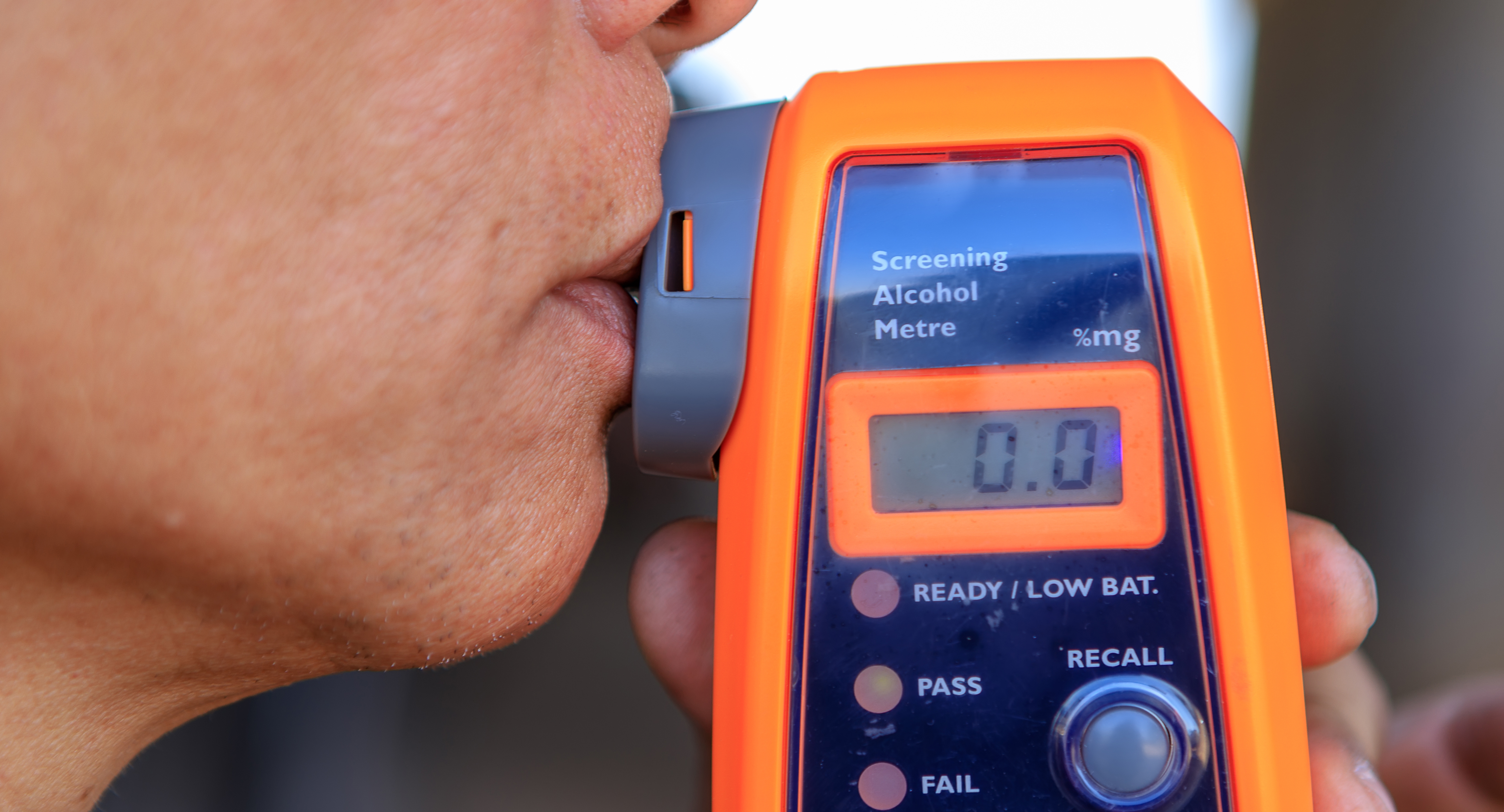
You can fight a public intoxication charge in Texas by challenging whether prosecutors can prove you were intoxicated in a public place to the degree that you might endanger yourself or someone else. Dismissal, deferred disposition, and other legal options may help you avoid a conviction and protect your criminal record.
Public intoxication is usually a Class C misdemeanor punishable by a fine of up to $500. While that penalty may seem minor, paying the fine can mean accepting a criminal conviction that may affect employment, housing, education, and professional licensing opportunities.
Michael & Associates Criminal Defense Attorneys has achieved a 100% favorable outcome rate in resolved Texas cases involving public intoxication as the sole charge. According to our internal case data, every case involving only a public intoxication charge resulted in either dismissal or deferred disposition, allowing clients to avoid an immediate conviction.
What Does Texas Law Consider Public Intoxication?
Under Texas Penal Code §49.02, public intoxication occurs when someone appears in a public place while intoxicated to the degree that they may endanger themselves or another person.
Prosecutors must establish three elements:
- Intoxication: You were intoxicated under Texas law, including through the loss of normal mental or physical faculties because of alcohol, drugs, or another substance.
- Public place: You were in a place accessible to the public or a substantial group of people.
- Potential danger: Your level of intoxication created the potential for danger to yourself or someone else.
A public place can include sidewalks, streets, parks, restaurants, bars, and certain common areas of buildings. Even privately owned establishments can qualify as public places.
Simply drinking alcohol in public is not a crime. Appearing intoxicated does not automatically establish public intoxication, either. The prosecution must also prove the required potential danger.
How Can You Beat a Public Intoxication Charge in Texas?
Several defenses may be available depending on the circumstances of your arrest. The strongest approach is often to examine whether prosecutors have sufficient evidence to establish every element of the offense.
1. Challenge the Evidence of Potential Danger
One of the most important elements of a public intoxication charge is whether the accused was intoxicated to the degree that they might endanger themselves or someone else.
Police officers do not have to wait until someone gets hurt to make an arrest. However, the evidence must support the statutory endangerment requirement.
For example, imagine someone leaving a bar after drinking with friends. They are walking safely, communicating clearly, and waiting for a rideshare.
Although an officer might believe the person has been drinking, those circumstances could support an argument that the evidence does not establish the required level of danger.
2. Dispute Whether You Were Legally Intoxicated
An officer's observation that someone smells of alcohol, has bloodshot eyes, or appears unsteady does not necessarily prove intoxication.
Other circumstances may explain those observations, including fatigue, illness, anxiety, or physical limitations.
An attorney may examine body camera footage, witness statements, police reports, and other available evidence to determine whether the officer's conclusions are supported.
3. Challenge Whether the Location Was Public
Texas law defines public places broadly, but not every location qualifies.
For example, someone's private residence ordinarily is not a public place. Certain areas of private property may also fall outside the statutory definition.
However, bars and other premises licensed or permitted under the Texas Alcoholic Beverage Code are considered public places for purposes of the public intoxication statute.
The precise location and circumstances can affect whether prosecutors can establish this element.
4. Identify Inconsistencies in the Police Evidence
Police reports do not always tell the complete story.
An officer might describe someone as stumbling or behaving dangerously, while body camera footage shows the person walking normally and cooperating with instructions.
Witness statements, dispatch records, video recordings, and the officer's observations may reveal inconsistencies that weaken the prosecution's case.
Texas law also recognizes a specific defense when the substance was administered for therapeutic purposes as part of professional medical treatment by a licensed physician.
Can a Public Intoxication Charge be Dismissed in Texas?
Yes. A public intoxication charge can be dismissed when prosecutors lack sufficient evidence, legal or procedural issues undermine the case, or another authorized resolution leads to dismissal. According to Michael & Associates' internal case data, about 71% of the firm's closed Texas public intoxication cases were dismissed.
These outcomes show that fighting a public intoxication charge can help you avoid a conviction rather than simply paying the fine.
For example, prosecutors may have difficulty proving a charge when the available evidence establishes alcohol consumption but does not adequately support the required potential danger.
An attorney may also negotiate a deferred disposition when appropriate.
A dismissal is different from an acquittal or successful completion of deferred disposition. Each involves a different legal process, even though all may allow someone to avoid a conviction.
The outcome depends on the evidence, the circumstances of the charge, and the procedures available in the court handling the case.
Case Examples: Dismissals
Michael & Associates has secured public intoxication dismissals in Texas courts. The following examples establish how these cases can be resolved, although outcomes depend on the individual circumstances.
Comal County public intoxication case: Dismissed
Michael & Associates Criminal Defense Attorneys secured a dismissal of a public intoxication charge in Comal County Justice of the Peace Court, Precinct 3. The case was resolved in approximately eight months.
Williamson County public intoxication case: Dismissed
Michael & Associates Criminal Defense Attorneys secured a dismissal of a public intoxication charge in Georgetown Municipal Court. The case was resolved in just 15 days.
What is Deferred Disposition for Public Intoxication?
Deferred disposition is an option available in eligible Texas Class C misdemeanor cases.
Under Texas Code of Criminal Procedure Article 45A.302, a judge may postpone entering a finding of guilt while the defendant completes a period of supervision or other court-ordered conditions.
Depending on the circumstances, those conditions may include paying applicable fees, completing educational requirements, or avoiding additional violations.
According to Michael & Associates' internal case data, approximately 24.6% of the firm's closed Texas public intoxication cases resulted in deferred disposition.
If the defendant successfully completes the court-ordered requirements, the judge must dismiss the complaint under Texas Code of Criminal Procedure Article 45A.302. The case may also qualify for expunction, depending on the circumstances and applicable law.
Deferred disposition isn't automatic and may involve a guilty or no-contest plea. Anyone considering this option should understand the requirements and consequences before proceeding.
Blanco County public intoxication case: Deferred probation
Michael & Associates Criminal Defense Attorneys secured deferred probation for a client charged with public intoxication in Blanco County. The case was resolved in approximately 11 weeks, with no conviction entered at the time of disposition.
What are the Penalties for Public Intoxication in Texas?
For most adults, public intoxication is a Class C misdemeanor punishable by a fine of up to $500.
However, certain repeat offenses can carry enhanced punishment, and people younger than 21 are subject to additional rules under the Texas Alcoholic Beverage Code.
|
Circumstances |
Potential penalties |
|
Standard adult public intoxication offense |
Class C misdemeanor; fine up to $500 |
|
Qualifying repeat public intoxication or disorderly conduct offenses |
Enhanced punishment of up to 180 days in jail and a fine up to $2,000 |
|
Public intoxication involving someone under 21 |
Penalties governed by applicable minor alcohol-offense provisions |
Under Texas Penal Code §12.43(c), a person with three qualifying prior convictions for public intoxication, disorderly conduct, or a combination of both may face enhanced punishment if each prior offense occurred within the 24 months preceding the new offense. Penalties can include up to 180 days in jail and a fine of up to $2,000.
A second public intoxication offense does not automatically become a Class B misdemeanor.
For people younger than 21, the consequences depend on the applicable minor alcohol-offense provisions, prior convictions, and other circumstances.
Does Public Intoxication Stay on Your Record in Texas?
Yes. A public intoxication arrest or conviction can remain on your criminal record indefinitely and may appear on background checks conducted by employers, landlords, schools, or professional licensing agencies.
Even if your charge is dismissed or you successfully complete deferred disposition, records of the arrest and court proceedings may still be accessible. However, not every background check reveals the same information.
The good news is that certain public intoxication cases qualify for expunction, which can remove eligible records from public access. Your eligibility depends on how the case was resolved and other requirements under Texas law.
Can You Expunge a Public Intoxication Charge in Texas?
In some cases, yes.
Under Texas Code of Criminal Procedure Chapter 55A, certain arrests and criminal cases may qualify for expunction.
Potentially eligible circumstances include:
- A public intoxication charge that was dismissed and satisfies the applicable expunction requirements.
- An acquittal.
- Successful completion of certain eligible Class C deferred dispositions, subject to applicable requirements.
Expunction can require agencies and other entities covered by the order to remove or destroy qualifying records.
However, dismissal does not automatically expunge a public intoxication charge. A separate legal process may be necessary.
Eligibility depends on the exact disposition, the person's criminal history, and the governing law.
Should You Just Pay a Public Intoxication Fine?
Paying a fine of up to $500 may seem like the simplest way to resolve a public intoxication citation, particularly when the alternative involves appearing in court.
However, paying a fine to resolve the charge may be treated as a guilty or no-contest plea and result in a conviction.
Before paying, consider whether the evidence supports the charge and whether you can seek dismissal or a deferred disposition.
A fine-only misdemeanor can have consequences beyond the immediate financial penalty, particularly when a conviction becomes part of a criminal record.
What Should You Do After Receiving a Public Intoxication Charge?
If you receive a public intoxication citation or are released after an arrest, review the paperwork carefully and identify any required court appearance or response deadline.
Preserve any evidence that may help explain the circumstances, including receipts, rideshare records, messages, photographs, or contact information for witnesses.
Avoid assuming that the officer's description of your behavior establishes every element of the offense.
Before entering a plea or paying a fine, consider having a criminal defense attorney review the evidence and explain your options.
Frequently Asked Questions about Public Intoxication in Texas
Can you go to jail for public intoxication in Texas?
Yes, police can arrest and temporarily detain you for public intoxication. However, a standard adult public intoxication conviction is a Class C misdemeanor punishable by a fine of up to $500, not jail time. Certain repeat offenses involving qualifying prior convictions can carry up to 180 days in jail.
Do you need a lawyer for a public intoxication charge in Texas?
You aren't required to hire an attorney, but legal representation can help you challenge the evidence, negotiate a dismissal, or pursue deferred disposition. Because paying a public intoxication fine can result in a conviction, consulting an attorney before entering a plea may help protect your criminal record.
Can you get a public intoxication charge without a breathalyzer test?
Yes. Texas law does not require a breathalyzer test to establish public intoxication. Officers may rely on observations such as impaired coordination, slurred speech, or unusual behavior. However, prosecutors must still prove the statutory elements, including that your intoxication created a potential danger to yourself or another person.
Can you be charged with public intoxication while waiting for an Uber?
Yes, but waiting for a rideshare after drinking does not automatically establish public intoxication. Texas law requires evidence that you were intoxicated in a public place to the degree that you might endanger yourself or someone else. An attorney can examine whether the circumstances actually support that allegation.
Is public intoxication the same as DWI in Texas?
No. Public intoxication under Texas Penal Code §49.02 involves appearing intoxicated in a public place to the degree that you may endanger yourself or others. DWI under §49.04 involves operating a motor vehicle in a public place while intoxicated. Public intoxication is ordinarily a Class C misdemeanor, while a first-offense DWI is typically a Class B misdemeanor or higher.
Fight Your Public Intoxication Charge with Michael & Associates
A public intoxication charge can leave a lasting criminal record, even though the offense is usually punishable by a fine. Whether you were arrested on Austin's Sixth Street, Deep Ellum in Dallas, San Antonio's Riverwalk, Houston's Montrose area, or elsewhere in Texas, you deserve an attorney who will examine the evidence and fight to protect your future.
Our experienced Texas defense lawyers challenge questionable arrests, pursue dismissals, and help eligible clients avoid convictions.
Contact Michael & Associates today for a free, confidential case review. We're available 24/7, including nights and weekends.
Last updated in October 2026 to include case data.