Is weed legal in Tennessee? No. In fact, the state's cannabis laws remain among the strictest in the United States. Recreational marijuana is illegal in Tennessee, including major cities such as Nashville, Memphis, Knoxville, and Chattanooga.
Additionally, the state does not have a functioning medical marijuana program. However, some hemp-derived CBD and low-THC products may be legal under limited circumstances.
Key Takeaways
- Recreational weed isn't legal in Tennessee
- Some hemp-derived CBD products are legal (with limits).
- Driving after using weed can also potentially lead to a DUI arrest.
Tennessee Weed Laws in 2026
Almost all forms of marijuana (including flower, edibles, tinctures, oils, vape pens, and gummies) remain illegal in Tennessee, and Tennessee does not have a functioning medical marijuana program. There is only a narrow exception for specific low-THC cannabis oil obtained lawfully outside the state.
Tennessee's marijuana laws are some of the strictest in the U.S. There is a limited exception for certain hemp-based Delta-9 and CBD products, but a law that took effect on January 1, 2026, significantly tightened restrictions on many other hemp-derived THC products.”
Tennessee's laws treat weed just like any other drug offense — with potential jail time, fines, and a permanent criminal record.
And if testing detects THC or related substances after a traffic stop, it may be used against you as evidence in a DUI case. However, prosecutors must still prove impairment.
Is Recreational Weed Legal in Tennessee?
As previously mentioned, recreational weed isn't legal in Tennessee. However, there are a few key exceptions for certain hemp and CBD products that we will explain in a minute. Tennessee continues to crack down on marijuana use even as other states are loosening marijuana laws or legalizing it altogether.
While lawmakers are tightening restrictions, polls show Tennesseans favor legalization. About 60% of Tennessee voters said they support legal recreational cannabis, according to a recent Vanderbilt poll. About 81% have indicated that they support medical marijuana use.
How Much Weed Is a Felony in Tennessee?
In Tennessee, simple possession of ½ ounce (14 grams) or less is typically charged as a misdemeanor. However, larger amounts may lead to felony charges for possession with intent to distribute, especially if police find packaging materials, scales, or large amounts of cash.
Felony charges increase based on weight:
| Amount | Classification |
| ½ oz to 10 lbs | Class E felony |
| 10 lbs to 70 lbs | Class D felony |
| 70 lbs to 300 lbs | Class B felony |
| Over 300 lbs | Class A felony |
Is CBD Legal in Tennessee?
Yes — under a federal law passed in 2018, hemp-derived CBD products with 0.3% THC or less are legal. You can legally buy CBD flower, tinctures, vapes, oils, and edibles as long as:
- They're made from federally legal hemp
- THC content doesn't exceed 0.3%
- Many products can only be sold to adults 21 or older
However, you must still use caution. Even legal CBD products can lead to confusion with law enforcement, especially if the packaging doesn't clearly show the THC content. If police can't tell the difference, you could end up arrested — even if you bought the product legally. If this happens, contact us immediately.
READ MORE: Are your Delta-9 THC gummies legal? We tested some to find out
Legal CBD & Hemp Product Requirements in Tennessee:
Tennessee hemp laws are primarily codified in Tennessee Code Annotated (TCA) Title 43, Chapter 27, though significant new regulatory, licensing, and taxing frameworks for hemp-derived cannabinoids were enacted in House Bill 1376.
The new legislation restricts many hemp-derived cannabinoid product sales to licensed retailers and generally requires in-person transactions.
Here are the current requirements for legal CBD and hemp products:
- Derived from hemp (Cannabis sativa with <0.3% Delta‑9 THC)
- Licensing is required to grow, process, or sell
- Product testing for potency and purity
- Labeling must include health disclaimers, age restriction warnings, and warnings about driving and pregnancy
Is THCa Legal in Tennessee?
The legal status of THCa in Tennessee is complicated.
THCa (tetrahydrocannabinolic acid) is a non-intoxicating compound typically found in raw cannabis plants. However, when THCa is heated (by smoking or vaping, for example), it converts into Delta-9 THC, the main psychoactive compound in marijuana.
Because of this conversion process, Tennessee regulators have increased their focus on how THCa products are classified under hemp laws.
Under federal and Tennessee hemp law, hemp must contain no more than 0.3% Delta-9 THC by dry weight. Many THCa products attempt to comply with this limit before heating. However, newer Tennessee regulations have tightened definitions related to THC measurement and product classification.
Because of these regulations:
- Some THCa products may no longer qualify as legal hemp products
- Law enforcement may treat THCa flower similarly to marijuana
- Retail availability may be significantly restricted
Is Delta-8 Legal in Tennessee?
Delta-8 THC products have been widely sold in Tennessee in recent years, but their legal status is now heavily regulated.
Delta-8 is a hemp-derived cannabinoid that produces psychoactive effects similar to marijuana, though typically milder than traditional Delta-9 THC.
For several years, Delta-8 products existed in a legal gray area because they could be derived from hemp. However, Tennessee lawmakers passed new regulations that took effect in 2026 to restrict hemp-derived cannabinoid products.
Under the new regulations:
- Delta-8 products may only be sold through licensed retailers
- Sales must generally occur face-to-face
- Retailers must follow testing, labeling, and age-verification rules
- Many products are restricted to adults aged 21 or older
Although Delta-8 has not been completely eliminated from Tennessee law, the new regulations significantly limit how these products can be manufactured, distributed, and sold.
Is Delta-9 Legal in Tennessee?
Traditional Delta-9 THC marijuana is illegal in Tennessee. However, there is an important distinction between marijuana-derived Delta-9 THC and hemp-derived Delta-9 THC.
Under the federal 2018 Farm Bill, hemp products containing 0.3% Delta-9 THC or less by dry weight may qualify as legal hemp. Tennessee generally follows this definition.
This means that some products — particularly certain hemp-derived Delta-9 edibles or gummies — may technically fall within the legal hemp category if they stay below the 0.3% Delta-9 THC threshold.
However, Tennessee’s newer hemp regulations impose additional requirements, including:
- Licensing requirements for manufacturers and retailers
- Product testing and labeling rules
- Age restrictions for purchasers
- Limits on how hemp-derived cannabinoid products can be sold
Products that exceed the 0.3% Delta-9 THC limit are treated as marijuana and are illegal under Tennessee law.
Hemp-derived products containing no more than 0.3% Delta-9 THC by dry weight may still be legal.
Other Hemp-Derived Cannabinoids (Delta-10, THCp, THCv, etc.)
These newer cannabinoids are not always addressed individually in Tennessee statutes. Their legality typically depends on whether the product meets the hemp definition and THC limits under state and federal law.
Because Tennessee’s hemp regulations are evolving and enforcement practices vary, the legal status of some cannabinoid products can be uncertain and subject to change.
Other Changes for 2026
The new state law, which was passed in May 2025, also cracks down on sales and serving sizes. Here are the key components:
- Outlaws online sales and delivery: It mandates face-to-face sales only (no online, delivery, or vending), restricted to licensees who only serve adults who are age 21 or older.
- Transfers regulation: The law transfers the regulation of hemp-derived cannabinoid products (HDCP) from TDA to the Alcoholic Beverage Commission (ABC).
- Establishes new taxes and fees: Wholesale-level taxes will be based on milligrams of THC or ounces of flower. It also establishes new license fees and brand registration fees.
The new law also places additional restrictions on product types, packaging, and servings.
Is Medical Marijuana Legal in Tennessee?
Not exactly. Tennessee does not have a functioning medical marijuana program. And although lawmakers have made efforts to try to implement one, those measures have failed to advance.
Older Tennessee law created a narrow low-THC cannabis oil exception tied to certain serious medical conditions, but it is not considered a full medical marijuana program.
Qualifying medical conditions may include:
- ALS (Lou Gehrig’s Disease)
- Cancer (with wasting illness/pain/nausea)
- Alzheimer's disease
- Parkinson's disease
- Multiple sclerosis
- Inflammatory bowel disease
- HIV/AIDS
A Tennessee-licensed physician must diagnose these conditions, and anyone attempting to rely on this narrow exception should consult a licensed physician to confirm the current legal requirements.
Importantly, participants must purchase the oil outside of Tennessee. You cannot buy or cultivate it in‑state, and there are no dispensaries serving patients in Tennessee.
Other eligibility requirements include:
- Tennessee residency
- Documentation confirming the lawful acquisition of the oil from another state
- Verified product testing and label showing THC ≤ 0.9%
Possession of any cannabis oil failing those criteria is treated as illegal and subject to misdemeanor or felony penalties, depending on the amount.
Can You Get a DUI for Weed in Tennessee?
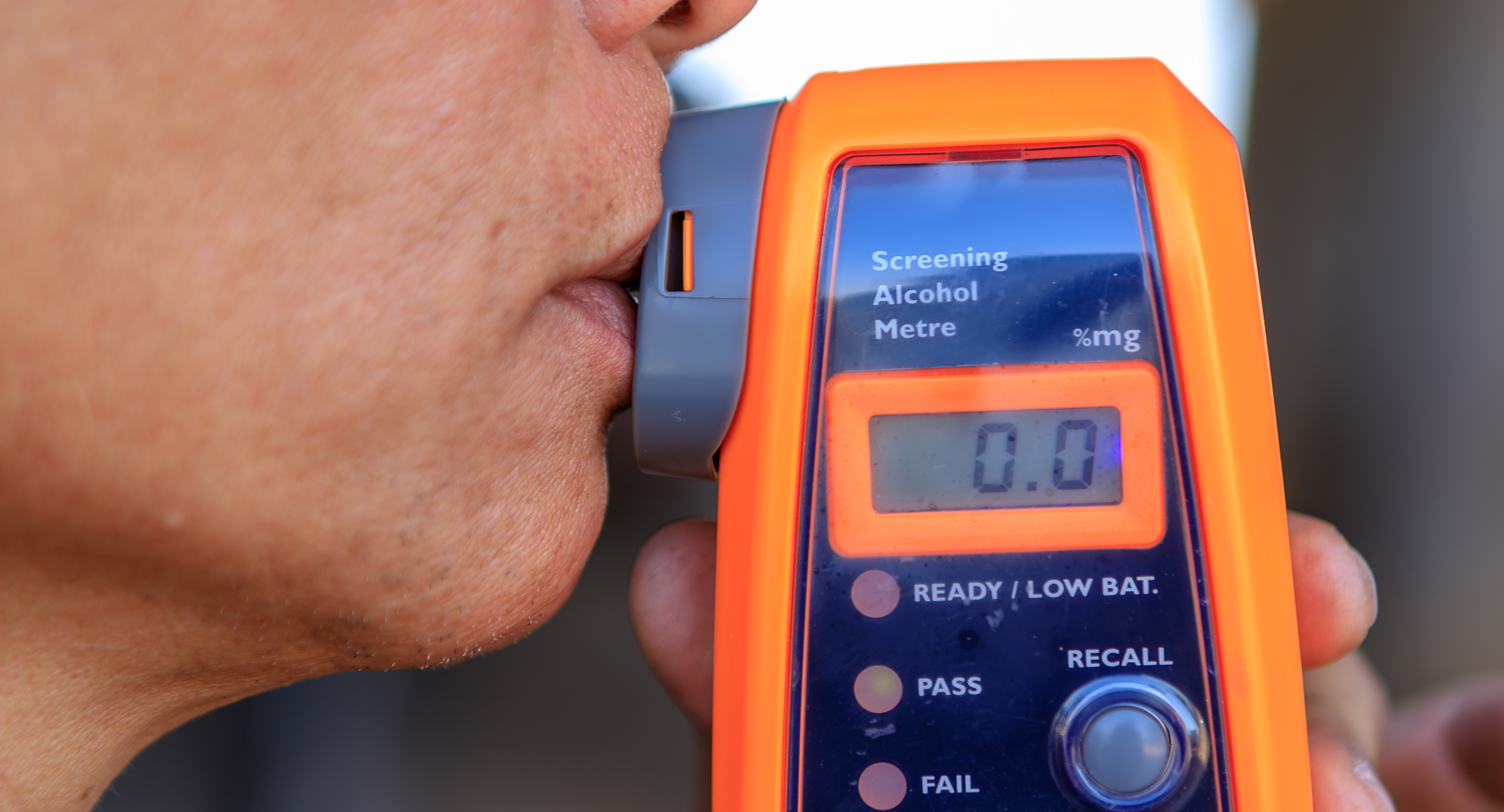
Yes. Tennessee's DUI law covers any intoxicant — including marijuana.
Detectable THC alone does not automatically prove DUI, but prosecutors may use toxicology results along with other evidence of impairment. That includes weed you smoked days ago, since metabolites can linger long after the effects wear off.
Penalties for a first offense can include a minimum of two days in jail (with a maximum of 11 months and 29 days), a fine of up to $1,500, driver's license suspension for up to a year, and other potential consequences, including probation and court-ordered alcohol awareness programs.
As with a standard DUI, refusing chemical tests can result in an automatic suspension of your driver's license, even if you aren't convicted. Testing is required under Tennessee's implied consent law, but taking a sample by force requires a warrant or legal exception.
READ MORE: Penalties for a first DUI in Tennessee
What are the Penalties for Marijuana Possession in Tennessee?
Tennessee law still treats marijuana possession harshly. The exact penalty depends on how much you're caught with — and what law enforcement believes you intended to do with it.
Simple Possession (½ oz or less)
- Charge: Class A misdemeanor
- Jail: Up to 11 months, 29 days
- Fines: Up to $2,500
- First offense: typically $250 minimum fine, higher fines for repeat offenses
- Other penalties: Drug offender school, probation, community service, court costs
Possession Over ½ Ounce May Lead to Felony Charges
If you're carrying more than half an ounce, police may charge you with possession with intent to distribute, especially if they find packaging materials, scales, or large sums of cash. Penalties increase with the amount.
|
Amount |
Felony class |
Prison sentence |
Fines and other penalties |
|
½ oz to 10 lb |
Class E |
1 to 6 years |
Up to $5,000, minimum $2,000 for first felony |
|
10 to 70 lb |
Class D |
2 to 12 years |
Up to $50,000 |
|
70 to 300 lb |
Class B |
8 to 30 years |
Up to $100,000 |
|
Over 300 lb |
Class A |
15 to 60 years |
Up to $500,000 |
Selling or possessing with the intent to sell follows the same penalties as above, based on weight.
Penalties may increase if you’re caught selling near a minor or within 1,000 feet of a school or daycare — it enhances the charge by one classification under T.C.A. §39-17-432.
Is It Illegal to Grow or Sell Weed in Tennessee?
Yes — cultivation is a felony, even for personal use. The number of plants determines the felony class:
|
Plants grown |
Felony charge |
Jail sentence |
|
1 to 10 |
Class E |
1 to 6 years |
|
10 to 19 |
Class D |
2 to 12 years |
|
20 to 99 |
Class C |
3 to 15 years |
|
100 to 499 |
Class B |
8 to 30 years |
|
500+ |
Class A |
15 to 60 years |
Is it Illegal to Carry Marijuana Paraphernalia in Tennessee?
Even everyday household items like a kitchen scale, baggies, or an eyedropper can be considered weed “paraphernalia.” Possession is a misdemeanor, but if police believe you’re planning to sell paraphernalia, you could face felony charges.
Possession of Drug Paraphernalia
- Charge: Class A misdemeanor
- Jail time: Up to 11 months
- Fine: Between $150 and $2,500, minimum $150 or higher on repeat offense
Selling Paraphernalia or Intent to Sell
- Charge: Class E felony
- Jail time: 1 to 6 years
- Fine: Up to $3,000
We Can Help
As you can see, weed charges are particularly complicated due to evolving laws and the difficulties in determining the potency of HDCPs. If you're facing charges in Tennessee, contact us now for a free consultation.
FAQs
Are Delta-9 THC gummies legal in Tennessee?
Some Delta-9 THC gummies may be legal in Tennessee if they are derived from hemp and contain no more than 0.3% Delta-9 THC by dry weight. Products exceeding this limit are considered illegal marijuana under Tennessee law. Tennessee regulations also require many hemp-derived THC products to be sold by licensed retailers and typically restrict sales to adults age 21 or older.
Is marijuana decriminalized in Tennessee?
No. Tennessee has not decriminalized marijuana statewide. Possession of small amounts is still a criminal offense and is usually charged as a Class A misdemeanor, punishable by fines, probation, and possible jail time.
How much weed is illegal in Tennessee?
Any amount of marijuana is illegal in Tennessee. Possession of ½ ounce (14 grams) or less is usually charged as a misdemeanor, while larger amounts may lead to felony charges for possession with intent to distribute, depending on the circumstances.
Can you go to jail for weed in Tennessee?
Yes. Marijuana possession is a Class A misdemeanor, and penalties can include up to 11 months and 29 days in jail and fines of up to $2,500. However, first-time offenders may be eligible for probation or diversion in some cases.
What Is Tennessee’s Marijuana Stamp Tax?
Under Tenn. Code § 67‑4‑2801, you're legally required to pay a tax on illegal cannabis and affix tax stamps to the product, even though possessing it is a crime. It’s a way for the state to fine you twice — once through the criminal system, and again through the Department of Revenue.
Current stamp tax rates for marijuana:
- $3.50 per gram of processed cannabis
- $350 per marijuana plant
- Does marijuana enforcement in Tennessee vary by city?
Despite the strict legal enforcement, city and municipal governments have some leeway in enforcement, but cities cannot pass measures that decriminalize marijuana.
For example, in 2020, the Metro Nashville district attorney's office said it would stop prosecuting possession cases involving less than ½ oz (14 g).
In some jurisdictions, local prosecutors have at times declined to pursue certain low-level marijuana possession cases. However, in 2017, a state law was enacted that prohibits cities from passing local marijuana decriminalization measures.
Does Tennessee have a medical marijuana program?
Tennessee does not have an official medical marijuana program, and recent legislative efforts to start one have failed. However, there is an exception that allows residents with a few very specific conditions to use CBD oils, but those oils must be purchased out of state, and eligibility requirements are strict.
Can I be charged with DUI for smoking weed?
Yes. DUI isn't limited to alcohol. You can be charged with DUI if prosecutors believe marijuana or another substance impaired your ability to drive safely. A blood test may be used as evidence, but a positive result alone does not automatically prove DUI.
Sources: Michael & Associates research, Tennessee Code Annotated Chapter 27, House Bill 1376.