Yes. Hemp-derived Delta-9 THC can be legal in Texas if the product satisfies the state’s concentration, testing, labeling, registration, and other regulatory requirements. Marijuana-derived Delta-9 generally remains illegal. Texas also treats manufactured Delta-8, Delta-10, and certain other THC isomers as controlled substances.
The legal status of hemp-derived Delta-9 doesn’t guarantee that you won’t be arrested if you’re caught with it. There’s no field test to confirm concentration, and officers generally cannot determine at the scene whether a product’s THC concentration and composition comply with Texas law. We have represented an increasing number of clients caught in this confusion.
The current law is confusing and inconsistently enforced. You need to take steps to protect yourself.
Last updated: August 2026
Key Takeaways
- Delta-9 THC is a compound in cannabis plants.
- Hemp-derived Delta-9 may be legal if the product meets Texas concentration, testing, labeling, and regulatory requirements, while marijuana generally remains illegal.
- You must be at least 21 to purchase consumable hemp products in Texas. Sellers must inspect valid government-issued identification before completing the sale.
- You can still fail a drug test even if you’re using a legal form of Delta-9.
Is Delta-9 THC Legal in Texas?
Recreational marijuana remains illegal in Texas. The Texas Compassionate Use Program allows qualifying patients to obtain prescribed low-THC cannabis from licensed dispensing organizations.
However, hemp-derived Delta-9 products may currently be legal if they satisfy all applicable Texas requirements.
In 2019, Texas passed House Bill 1325, mirroring the 2018 Farm Bill. The intent was to expand the state’s hemp industry. It opened the door to a large Texas market for consumable hemp products, including products containing intoxicating amounts of hemp-derived Delta-9.
Texas Health and Safety Code Section 481.002(5) specifies that controlled substances do not include “tetrahydrocannabinols in hemp.”
Texas Agriculture Code § 121.001 defines hemp as:
…the plant Cannabis sativa L. and any part of that plant, including the seeds of the plant and all derivatives, extracts, cannabinoids, isomers, acids, salts, and salts of isomers, whether growing or not, with a Delta-9 tetrahydrocannabinol concentration of not more than 0.3 percent on a dry weight basis.
In 2025, the Texas Legislature passed Senate Bill 3, which would have prohibited most consumable hemp products containing cannabinoids other than CBD or CBG. Gov. Greg Abbott vetoed the bill on June 22, 2025, citing constitutional and federal-preemption concerns. The Legislature did not enact a comprehensive replacement during the 2025 special sessions. Instead, Texas moved forward with new age restrictions, agency rules, and changes to the scheduling of controlled substances. Those changes have significantly narrowed which hemp-derived THC products may legally be sold or possessed in Texas.
Texas now requires sellers to verify that a purchaser is at least 21 before selling any consumable hemp product. The restriction began under emergency rules in October 2025 and was incorporated into permanent DSHS rules effective March 31, 2026.
The 0.3% threshold is a legal dividing line, not a guarantee that a product is non-intoxicating. A compliant gummy or beverage may still contain enough Delta-9 THC to cause impairment, while a product exceeding the applicable limit could expose its owner to seizure, arrest, or criminal charges.
READ MORE: Texas marijuana laws
What is Delta-9 THC?
You may have seen the ads on social media: They promise better sleep, reduced anxiety, less pain, and even help with intimacy issues. Sounds like a miracle, right? And it gets better.

- Try them FREE!
- Ships to all 50 states!
- 100% legal!
These ads are referring to Delta-9 THC, the primary psychoactive compound in cannabis. THC stands for tetrahydrocannabinol, the substance responsible for the “high” associated with cannabis use.
Hemp and marijuana come from the same cannabis plant. The terms are legal classifications based primarily on THC concentration. Under Texas law, cannabis containing no more than 0.3% Delta-9 THC on a dry-weight basis may qualify as hemp. Cannabis exceeding that limit is generally classified as marijuana.
The 0.3% threshold does not mean a product is non-intoxicating. A gummy, beverage, or other sufficiently heavy product can remain below the percentage limit while containing enough Delta-9 THC to cause impairment.
Hemp-derived Delta-9 products are sold as gummies, beverages, tinctures, oils, vape products, and other consumables. Their effects vary based on the dose, method of consumption, individual tolerance, and other factors.
Driving while intoxicated by a legal THC product can still result in a Texas DWI charge. Possession can also create problems because officers may be unable to determine at the scene whether a product complies with Texas law. We have represented clients arrested after police found unopened, apparently legal THC products, even when the clients provided proof of purchase. If this happens to you, contact us immediately.
Other Cannabinoids May Be Illegal in Texas
The legal status of these products changed in 2026. Texas reinstated controlled-substance definitions that can treat manufactured or synthetic Delta-8 and certain other non-Delta-9 THC isomers as Schedule I substances. A product’s legal status may depend on the cannabinoid involved, how it was produced, and whether it qualifies as THC in legally defined hemp.
Consumers should not assume that a product is legal merely because it was purchased from a Texas retailer or labeled “hemp.”
- Delta-8: After the Texas Supreme Court reversed the injunction blocking the state’s scheduling decision, DSHS reinstated its Schedule I clarification effective July 31, 2026. Manufactured or concentrated Delta-8 products are now treated as Schedule I controlled substances in Texas. The Texas Supreme Court recognized a narrower distinction for the trace amounts of Delta-8 occurring naturally in hemp.
- Delta-10: Delta-10 is another THC isomer commonly produced through chemical conversion. Products containing manufactured or concentrated Delta-10 may be treated as Schedule I controlled substances in Texas.
- THCA: THCA is a cannabinoid that converts into intoxicating Delta-9 THC when heated. Texas’s current consumable-hemp rules use a total Delta-9 calculation that includes the amount of Delta-9 THC the THCA could produce. As a result, many THCA flower and smokable-hemp products may exceed the legal limit and may not be lawfully sold as consumable hemp in Texas. The industry is challenging these rules. According to the plaintiffs’ August 2026 case update, the injunction that previously barred enforcement is not currently in effect.
- THCH: Tetrahydrocannabihexol occurs naturally in cannabis in very small amounts, but commercial products may contain concentrated or manufactured THCH. Research is limited, and consumers should not assume that a THCH product is legal in Texas merely because it is labeled hemp-derived.
Federal Laws on Delta-9 THC
How Delta-9 became legal, both federally and in Texas, is complicated. The distinction comes down largely to THC concentration and where the product comes from.
Under current federal law, hemp-derived Delta-9 may be legal if it contains no more than 0.3% Delta-9 THC on a dry-weight basis. Marijuana-derived Delta-9 remains illegal federally, even though some states have legalized marijuana.
It’s a distinction that many people find confusing.
The 2018 Farm Bill legalized hemp production and removed hemp and the THC in hemp from the federal Controlled Substances Act. Hemp and marijuana come from the same cannabis plant, but the law classifies cannabis with no more than 0.3% Delta-9 THC as hemp.
Federal law is scheduled to change on November 12, 2026, though most of the major changes have been delayed until December 11, 2026. The new definition will generally use a total-THC standard, exclude certain cannabinoids synthesized or manufactured outside the plant, and exclude final consumer products containing more than 0.4 milligrams per container of total THC and other cannabinoids determined to have similar effects.
Unless Congress changes the law before then, many intoxicating hemp products currently on the market will no longer qualify as federally lawful hemp.
Marijuana vs. Hemp
Marijuana and hemp have some key differences. This can often lead to confusion about which products are legal.
Some properly manufactured and regulated hemp-derived products remain legal. A hemp label alone does not establish that a product complies with Texas law. Marijuana generally remains illegal to possess, distribute, or sell in Texas outside the limited Compassionate Use Program.
Here is a comparison of marijuana-derived THC and hemp-derived products.
| Marijuana | Hemp | |
| Cannabinoid content | Generally exceeds 0.3% Delta-9 THC | Contains no more than 0.3% total Delta-9 THC on a dry-weight basis under current Texas consumable-hemp rules |
| Common uses | Recreational or medicinal cannabis | Industrial materials, food ingredients, and cannabinoid products |
| Legal status | Generally illegal federally and in Texas; Texas separately permits prescribed low-THC cannabis through its Compassionate Use Program. | May be legal under Texas HB 1325 and applicable DSHS rules if it satisfies the total Delta-9 THC limit and all testing, labeling, registration, and other requirements. |
You Could Be Arrested for Possessing Legal THC
If you’re pulled over by police and they find THC products, they may be unable to determine from its appearance or packaging whether it complies with Texas law. Field tests may detect THC without establishing the cannabinoid involved, its concentration, or how it was produced. Depending on the product and local enforcement practices, officers may seize it, request laboratory testing, or make an arrest.
Many police officers don’t understand the distinction between legal weed products and those that are illegal.
It can take months for the testing to be completed. In the meantime, you could face felony charges and have to post bail.
Keep Your Receipts
There are some steps that you can take to protect yourself if you’re pulled over.
- When you purchase Delta-9 items, get a receipt and save it.
- Review the label and any QR code or website providing the product’s certificate of analysis.
- If you’re transporting Delta-9 products in your vehicle, ensure you have the receipt and the original packaging with the QR code.
- Don’t open the packages until you’ve arrived at your destination.
- Keep the items safely stored out of sight when they must be in your vehicle.
- If you’re pulled over and police find Delta-9, provide legally required identification and vehicle documents, but avoid answering questions about possession or use before speaking with an attorney. Do not consent to a search, but do not physically interfere if officers proceed without your consent.
Even apparently compliant products can lead to seizure, arrest, or charges when officers question their contents or legal status.
You don’t have to carry a large amount to be at risk. In one case, a client was arrested and charged after police found two gummies in her car, even though there were no signs that she had consumed any of the items.
Original packaging, receipts, laboratory reports, and proof of purchase may become important evidence in a defense. Depending on the facts, they may help us challenge whether you knowingly possessed a prohibited substance, whether the product was properly identified or tested, and whether police had probable cause. However, buying a product from a retail store or believing it was legal does not automatically prevent prosecution.
You Can Still Fail a Drug Test, Even If You’re Using a Legal Product
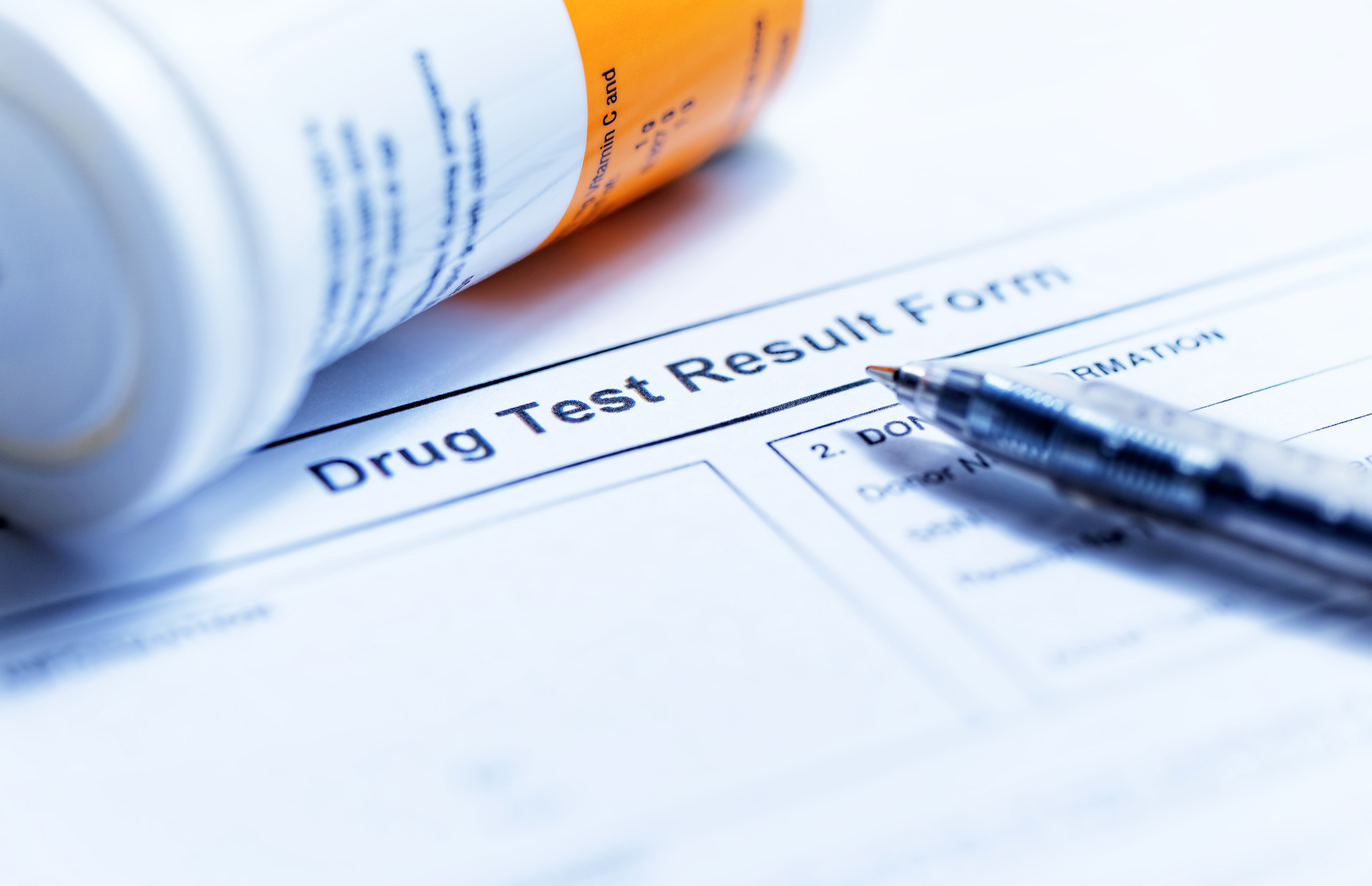
If you use Delta-9 and have to take a drug test for any reason – whether it’s for a new job, a workers’ compensation claim, or a random test as a requirement for probation or parole – it’s possible that you may fail, even if you’ve only used legal products. Tests don’t differentiate between types of THC.
Whether THC is detected depends on the dose, frequency of use, test type, testing threshold, timing, and individual metabolism. Full-spectrum or mislabeled CBD products may also produce a positive result if they contain detectable THC.
Delta-9 Use Could Affect Your Probation/Parole
Legal Delta-9 products can also cause problems if you’re on probation or parole.
Some supervision conditions prohibit THC, intoxicants, or cannabinoid products regardless of whether the product can legally be purchased. You may be ordered to complete mandatory random drug testing, and if you consume any form of Delta-9 regularly, you could fail. A positive result can trigger a motion to revoke, which could land you in jail.
Many THC Products Test Above the Legal Limit
Arrest for possessing Delta-9 can be risky. The THC level in retail products is challenging to confirm. In a report published in August 2024, Texas Monthly sent samples from eight different dispensaries across the state to a lab for testing. The article reported that all eight samples exceeded the legal Delta-9 limit and would therefore be classified as marijuana under the applicable definition.
This means a product may contain a higher Delta-9 concentration than its label claims and may not qualify as legal hemp. Potential charges depend on the type of product, its chemical composition, the applicable penalty group, and the legally measured weight.
Marijuana weight ranges generally apply to usable marijuana in plant form. THC concentrates, vape cartridges, oils, and noncompliant edibles may be prosecuted differently under Texas controlled-substance laws. In those cases, prosecutors may use the aggregate weight of the product or mixture, not merely the amount of THC it contains. Even a small number of gummies or a single cartridge can therefore produce a felony allegation.
Are THC Gummies and Vape Cartridges Felonies in Texas?
They can be. Marijuana flower is generally punished by ounces or pounds under § 481.121. A noncompliant THC concentrate, vape oil, or edible may instead be prosecuted under Penalty Group 2, where even less than one gram is a state jail felony, and the measured weight may include adulterants or dilutants.
Penalties for Marijuana/THC Possession in Texas
Possession of four ounces or less of usable marijuana can result in misdemeanor charges as outlined by Texas Penal Code Chapter 12. Penalties could include a fine, community service, or even jail time.
- Two ounces or less: Class B misdemeanor, punishable by up to 180 days in jail and a fine of up to $2,000.
- More than two but no more than four ounces: Class A misdemeanor, punishable by up to one year in jail and a fine of up to $4,000.
Possession of more than four ounces of usable marijuana in plant form is generally a felony, as established by Texas Health and Safety Code § 481.121.
- More than 4 ounces but no more than 5 pounds: 180 days to two years in state jail and a fine of up to $10,000.
- More than 5 pounds but no more than 50 pounds: Two to ten years in prison and a fine of up to $10,000.
- More than 50 pounds but no more than 2,000 pounds: Two to 20 years in prison and a fine of up to $10,000.
- More than 2,000 pounds: Five to 99 years or life in prison and a fine of up to $50,000.
READ MORE: Penalties and punishments for controlled substances in Texas
How to Protect Yourself
You cannot eliminate the legal risk simply by relying on a label, receipt, or certificate of analysis. You can reduce the risk by buying only from properly registered sellers, keeping the original packaging and receipt, reviewing batch-specific laboratory results, and avoiding products containing Delta-8 or other cannabinoids with uncertain legal status. Because Texas and federal law are changing rapidly, check current DSHS guidance before purchasing or transporting an intoxicating hemp product.
More Frequently Asked Questions about Delta-9 THC in Texas
Is Delta-9 legal in Texas?
Yes. Hemp-derived Delta-9 may be legal if the product complies with Texas’s total Delta-9 THC limit and all testing, labeling, registration, and other requirements. Marijuana-derived Delta-9 generally remains illegal.
How old do you have to be to buy Delta-9 in Texas?
You must be at least 21 to purchase a consumable hemp product in Texas. Sellers must inspect valid government-issued identification before completing the sale.
Is Delta-8 legal in Texas in 2026?
Manufactured or concentrated Delta-8 is treated as a Schedule I controlled substance in Texas following a scheduling change effective July 31, 2026. The Texas Supreme Court distinguished those products from the trace amounts of Delta-8 occurring naturally in hemp.
Is THCA legal in Texas?
Texas currently counts THCA when calculating a consumable hemp product’s total Delta-9 THC concentration. Many THCA flower products may therefore exceed the legal limit. The rule is being challenged, but the injunction that previously blocked it is not currently in effect.
Can you get a DWI after using legal Delta-9?
Yes. A legally purchased THC product can still lead to a DWI charge if the state alleges that it caused the loss of normal mental or physical faculties while you operated a motor vehicle in a public place.
Can you be arrested for legal Delta-9 in Texas?
Yes. Officers may be unable to determine a product’s cannabinoid content, concentration, or manufacturing method during a traffic stop. An apparently compliant product may be seized and tested, and an arrest may occur depending on the circumstances.
Is a THC vape pen a felony in Texas?
It can be. A noncompliant THC vape oil may be prosecuted as a Penalty Group 2 controlled substance. Possession of less than one gram is a state jail felony under Texas Health and Safety Code § 481.116.
Real Case Outcome
The following case illustrates why Texas may treat a THC vape pen differently from marijuana in plant form.
Charge: POCS Penalty Group 2, less than 1 gram, State Jail Felony
Location: 366th District Court, Collin County, Texas
Details: A young adult with no prior criminal history was charged with possession of a controlled substance after police recovered a THC vape pen during a traffic stop. Officers initially focused on the passenger due to a possible mistaken identity related to an outstanding warrant. After finding marijuana on the passenger, they removed, handcuffed, and searched the driver, who disclosed that a vape pen was concealed by clothing.
Potential defense issues included whether the traffic stop lawfully escalated into a personal search, how the search was conducted, and an apparent gap in the body-camera footage during the search. No other contraband was found in the vehicle.
Outcome: Dismissal
Past results do not guarantee a similar outcome in another case.
Contact Michael & Associates
If you were arrested for possessing Delta-9, Delta-8, THCA flower, a THC vape cartridge, gummies, or another cannabis product, contact Michael & Associates Criminal Defense Attorneys for a free case review. Our experienced Texas drug possession lawyers will analyze the specifics of your case and outline potential defense strategies.