If you’re facing a first DUI in LA, you’re probably wondering, “How bad is this going to be?” But what happens after a first DUI will depend on the specifics of your arrest, your BAC, and whether anyone was injured.
The most pressing issue is that you have only 10 days from the date of your arrest to request a DMV hearing to challenge your license suspension.
Los Angeles County typically records the highest number of DUI arrests in the state, accounting for 19.4% of California DUI arrests in 2022. That’s one in every five arrests. Courts here are busy.
Penalties typically involve probation, fines, attendance at DUI school, and a driver’s license suspension. Most first DUIs don’t result in jail time, but that doesn’t mean your case should be taken lightly.
The good news is that DUI charges can be beaten. We do it all the time.
Experienced DUI Defense in Los Angeles
While every case is different, DUI cases can be dismissed, reduced, or successfully defended when the evidence is unreliable or constitutional violations occurred. Our experienced Los Angeles DUI attorneys, including Erick Muñoz and Michele Ferroni, regularly challenge unlawful stops, chemical testing procedures, field sobriety testing, and blood evidence. From protecting your driver's license at the DMV APS hearing to challenging the evidence in court, we work quickly to build a strategic defense from day one.
Our LA attorneys regularly represent drivers in the Clara Shortridge Foltz, Airport, Van Nuys, Pasadena, and Torrance courthouses.
If you've been arrested for DUI, don't wait. Contact us today for a free, confidential consultation to discuss your options and the next steps in your case.
What Happens on a First DUI in Los Angeles?
Across Los Angeles County, thousands of people are charged with DUI every year. Some are residents, some are tourists, but the penalties are the same. The vast majority are misdemeanor charges, and even though most are resolved without jail time, that doesn’t mean the penalties will be minor. The financial, license, insurance, and long-term consequences are very real.
For most standard first-time cases without injury, you’re looking at:
- 3–5 years of probation
- $2,000 to $3,000 in total fines and fees
- 3 months of DUI school
- A 4-month driver’s license suspension through the DMV, which will be in addition to any suspension that’s ordered through your criminal case
The key thing to remember is that many cases are won and lost in the immediate aftermath of your DUI arrest, and what you do within the first 10 days makes a big difference.
First: The Arrest
For most people, a first DUI may not feel dramatic at first — it usually starts with a traffic stop, a checkpoint, or sometimes after a minor accident.
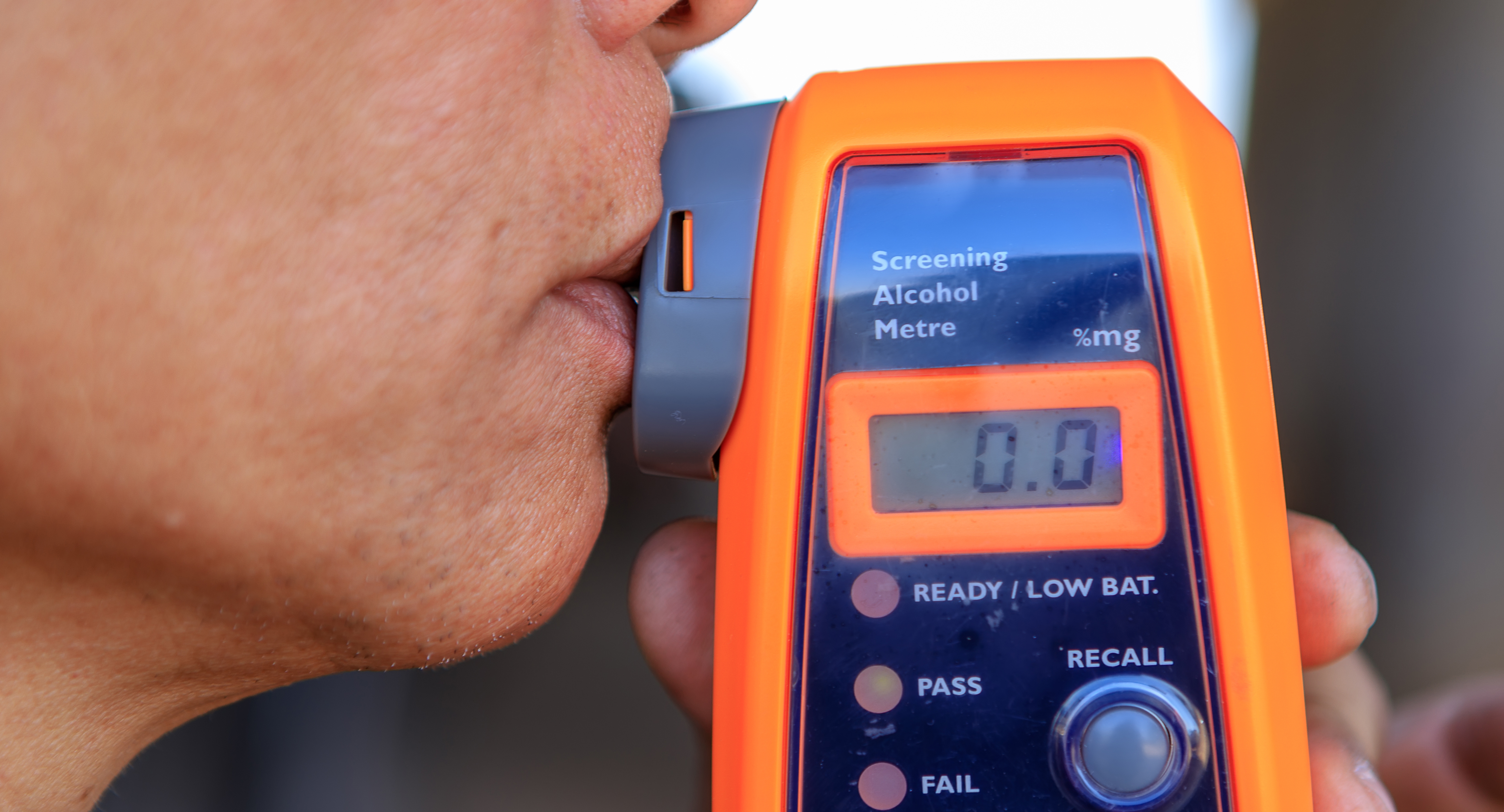
If a police officer suspects you’ve been drinking, they’ll ask you some questions. They may ask you to get out of the car and complete some field sobriety tests. You may be asked to take a breathalyzer test or provide a blood sample.
Understand that the officer has probably already decided whether to arrest you within the first few seconds of your interaction, so you need to take steps to protect yourself.
My colleague in our Los Angeles office, Michele Ferroni, explains that you are not required to answer questions, perform field sobriety tests, or complete a breath test in the field. The only test you're required to submit to is a chemical test. Refusal to do so may result in additional penalties.
After booking and chemical testing, many first-time misdemeanor DUI defendants are cited and released with a future court date, although some may be required to post bail depending on the circumstances.
This is when you need to contact your attorney. The courts in LA move fast. In most first-time misdemeanor cases, you won’t be sitting in custody for long. You’re usually released the same day with a court date, paperwork, and a pink temporary driver’s license.
Once you’re back home, the legal process really begins.
The Part Most People Miss: You Actually Have Two Cases
After your DUI arrest, most people don’t understand that they’re not just dealing with the court. There’s a separate case with the Department of Motor Vehicles that runs simultaneously and specifically addresses driver’s license suspensions.
To challenge the DMV suspension of your license, you have just 10 days from your arrest to request a hearing, which is called an APS (Administrative Per Se) hearing. This deadline comes fast, and many people miss it.
If you don’t take action, your driver's license will be automatically suspended 30 days after your arrest.
This is not connected to the criminal case, but experienced legal representation is still critical because your driving privileges are on the line.
Without the APS hearing, the DMV will typically suspend your license for four months for a standard first offense. Ferroni says that in California, many drivers are eligible for a restricted driver's license after 30 days of completing certain requirements, such as enrolling in a specified alcohol program, or immediate driving privileges if they install an ignition interlock device (IID).
First DUI Timeline in Los Angeles
Here’s how most cases unfold:
- Day 0: Arrest, booking, and you may have to post bail
- First 10 Days: Your DMV hearing must be requested
- 30 Days After Arrest: Your license suspension will automatically begin if you didn’t request the DMV hearing.
- 3–6 Weeks: Arraignment (your first official appearance in court).
- 2–6 Months: This is where most cases are resolved through negotiations and plea deals.
- 3–5 Years: Informal probation (this is the most common outcome of a first DUI offense in Los Angeles County.
Court proceedings occur in the Los Angeles Superior Court, but where your case will be heard depends on where you were arrested. You may have to report to:
- Clara Shortridge Foltz Criminal Justice Center (Downtown LA)
- Van Nuys Courthouse
- Airport Courthouse
- Pasadena Courthouse
- Torrance Courthouse
Misdemeanor DUIs can either be prosecuted by the City Attorney's Office or the District Attorney's Office, depending on the jurisdiction where the alleged crime occurred.
Felony DUI cases are only handled by the Los Angeles County District Attorney.
This is an important distinction.
Can I Drive After a First DUI in Los Angeles?
Yes, in many cases you may be able to continue driving after a first DUI, but it depends on how quickly you act and which option you choose.
Immediately after your arrest, the officer will typically issue a pink temporary driver's license that is generally valid for 30 days. You have 10 days from the date of your arrest to request an Administrative Per Se (APS) hearing with the California DMV to challenge your license suspension. Requesting the hearing usually delays the suspension until the DMV makes a decision.
If your license is ultimately suspended, you may still be eligible to drive by meeting certain DMV requirements. Many first-time DUI offenders qualify for immediate unrestricted driving privileges by installing an ignition interlock device (IID) or may be eligible for a restricted driver's license after serving a mandatory suspension period and meeting the state's eligibility requirements.
To obtain an IID-restricted or other restricted license, you may need to:
- Enroll in an approved California DUI education program.
- File proof of financial responsibility (SR-22 insurance).
- Pay the required DMV reinstatement fees.
- Install and maintain an approved ignition interlock device, if applicable.
Because the rules vary depending on your circumstances, including your blood alcohol concentration, whether you refused chemical testing, and your driving history, it's important to speak with an experienced Los Angeles DUI attorney as soon as possible. Acting quickly can help protect your driving privileges and maximize your options for staying on the road.
First DUI Penalties in Los Angeles (Standard Case)
If there are no aggravating factors (no injury, no refusal, no very high BAC), here’s what most judges order:
|
Penalty |
Typical sentence |
|
Probation |
3–5 years informal probation |
|
Base Fine |
$390 |
|
Total Cost with Assessments |
$2,000–$3,000 |
|
DUI School |
3 months (6–9 months if BAC 0.15%+) |
|
DMV Suspension |
4 months |
|
Court Suspension |
6 months |
|
Jail |
Up to 6 months (rare for standard case) |
First DUI vs Second DUI
A first DUI is serious — but the penalties are less severe than a second offense. Any second — or subsequent — offense will require installation of an ignition interlock device.
A first DUI is serious — but the penalties are less severe than a second offense.
|
Penalty |
First DUI |
Second DUI |
|
Jail |
Rare |
Mandatory minimum jail |
|
License Suspension |
4–6 months |
2 years |
|
DUI School |
3–9 months |
18–30 months |
|
Fine Range |
~$2–3k |
Higher |
|
Probation |
3–5 years |
3–5 years (stricter conditions) |
|
IID requirement |
Maybe |
Yes |
Aggravating Factors That Increase Penalties
Certain circumstances can lead to harsher penalties for a first DUI in Los Angeles.
|
Factor |
Legal authority |
Effect |
|
BAC ≥0.15% |
The court may impose enhanced penalties |
|
|
Refusal to submit to a chemical test |
1-year DMV suspension |
|
|
Child passenger under 14 |
Additional jail enhancement |
|
|
DUI causing injury |
May be filed as felony |
|
|
Great bodily injury |
Sentence enhancement |
These aggravating factors make a big difference in the penalties you’ll face.
Can a First DUI Be Reduced?
Sometimes, we may be able to get your charges reduced to a “wet reckless,” if:
- Your BAC was close to 0.08%
- The evidence in your case is weak
- Your DUI had no aggravating factors
These reductions are not automatic. An experienced DUI lawyer can increase the chances of a reduction.
Is DUI Diversion Available in Los Angeles?
Diversion is available for many types of crimes, but DUI isn't typically one of them, Ferroni says. Most diversion programs exclude DUI.
How Does a First DUI Affect Insurance?
For many people, insurance ends up being the most expensive part of a first DUI. Statistics from Progressive show that a DUI conviction in California causes rates to increase by 28% to over 370%. Many drivers will end up paying between $3,000 and $5,000 more per year for a standard full-coverage policy, according to information from Insurance.com and The Zebra.
Your insurer will find out about your DUI conviction quickly, because you’ll likely need to file an SR-22 form. The SR-22 is required to show the state that you carry the additional coverage that’s required after a DUI.
Obtaining an SR-22 is a hassle, but it’s a minor part of how the DUI will affect your car insurance. The biggest concerns will be the rate increase and whether your insurance company chooses not to renew your policy, forcing you to quickly find a new insurer.
That said, the impact on your insurance rates isn’t permanent — and it won’t be the same for everyone. The actual impact depends on your driving history, your insurer, and how the case is resolved.
If your lawyer can negotiate a reduced or dropped charge, it can minimize the insurance ramifications, which could save you a substantial amount of money over the next 3 to 5 years.
Will a First DUI Affect My Job?
It can, but it doesn’t automatically derail your career.
Many employers run background checks. Certain professional licenses (medical, etc) require disclosure of criminal convictions. And if your job involves driving — particularly commercial driving — the impact can be more serious.
But here’s the important part: not every DUI will lead to employment problems.
Many people are able to continue working without interruption. In some cases, a reduced or dropped charge will significantly limit how the DUI affects your record. And after your probation is completed, expungement may reduce long-term impact, but expunction works a bit differently in California. Ferroni says that in California, an expunction allows our clients to say they have never been arrested in most circumstances, but unlike in some other states, it does not seal and destroy the record.
"Anyone can see it," she says.
The key is ensuring that your case is handled strategically from the moment you’re arrested. The way your case is resolved often matters more than the arrest itself.
How Much Does a First DUI Cost?
There’s no doubt that a first DUI is expensive, particularly in Los Angeles, which is already one of the most expensive cities in the U.S. The high cost isn’t just due to the fines. It’s due to everything that comes next.
Most first-time offenders end up spending between $8,000 and $12,000, or more, over the next few years. That includes court fines, DUI school expenses, ignition interlock device costs, and the jump in insurance premiums.
The biggest surprise for most people won’t be the court costs — it’s the collateral costs that come as a shock.
Can a First DUI Be Fought?
Yes. An arrest never guarantees a conviction. We challenge and beat DUIs all the time.
We have many ways to challenge a DUI case:
- Was your traffic stop legal?
- Did the checkpoint follow the appropriate procedures?
- Were breath machines adequately maintained?
- Did your blood sample follow the appropriate chain of custody?
- Could your BAC have increased AFTER you stopped driving? (Yes, this really happens).
- Did the police make procedural errors?
DUI cases are won and lost on the details. The sooner your case is reviewed and investigated, the more options you usually have.
What Should You Do Immediately?
If you’ve just been arrested for a DUI, it’s normal to feel rattled, particularly if this is your first encounter with the legal system. The key is not to panic. You just need to focus on making sure you take the best possible next steps.
-
Speak with an experienced DUI defense lawyer as soon as possible. At Michael & Associates in Los Angeles, we prioritize protecting your license by requesting and handling your DMV hearing. It’s important to understand that this hearing isn’t just about your driving privileges — it’s also an opportunity for us to see the evidence the state plans to use against you in court. This early insight can shape our entire defense strategy.
-
Don’t talk about your arrest with anyone other than your attorney and your immediate family. Do not discuss the circumstances of your arrest in any calls you make from jail (they're being recorded). Don’t post about the arrest on social media. Don’t joke about it. And don’t minimize it publicly. Casual comments can be used against you later.
-
Document everything. Write down witness names, court dates, and any details you’d want your lawyer to know about. Overlooking something can worsen your situation.
-
Don’t wait to start building your defense. Video footage can be erased. Body camera evidence isn’t kept forever. Witness memories fade. The earlier we can review your case, the more options you typically have.
The first few weeks after a DUI arrest make a big difference in your case outcome. Acting early gives you control instead of forcing you to react later.
Bottom Line
A first DUI in Los Angeles is serious, but probably won’t derail your life. It’s important to remember the most common case outcomes for a DUI in the LA area are:
- Probation
- Fines
- DUI school
- License suspension (with options that often allow you to keep driving)
You don’t usually have to worry about jail time.
The most urgent step is to request your DMV hearing to challenge your license suspension.
After that, the focus will shift to minimizing long-term impact.
Frequently Asked Questions
Will I lose my license immediately?
No. Any license suspension won’t begin until 30 days after your arrest, unless you request a DMV hearing, which will further delay any potential suspension.
Is jail mandatory?
No. In California, jail isn’t automatically required for a standard first-time misdemeanor DUI without aggravating factors. In many cases, jail can be avoided altogether.
Can a first DUI be dismissed?
Yes, it happens all the time, particularly if there are legal or evidentiary weaknesses. And if your case can’t be dismissed, we can try to negotiate reduced charges.
Will this stay on my record?
Yes. A California DUI conviction generally remains on your DMV driving record for 10 years and can be used as a prior offense if you're arrested for another DUI during that period. Depending on your circumstances, you may later be eligible to petition for a dismissal (commonly called an expungement) under California law. While a dismissal can improve employment opportunities by allowing you to state in many situations that the conviction was dismissed, it does not erase the DUI from your DMV driving record, seal the record, or prevent it from being considered as a prior DUI under California law.
About Michael & Associates
If you have been arrested for DUI in Los Angeles, the first few days after the arrest are critical.
Protecting your license and building a defense strategy early can significantly influence the outcome of your case.
Contact Michael & Associates today to schedule a free, confidential consultation with one of our experienced criminal defense attorneys.