- A first DUI in Tennessee requires a mandatory 48 hours in jail
- It could also cost between $350 and $1,500 in fines
- It’s important to act quickly and consult an attorney as soon as possible after your arrest
If you’ve been arrested for DUI in Tennessee, it needs to be taken seriously. A conviction will remain on your criminal record for life, and a DUI arrest requires a mandatory 48 hours in jail. You’ll also have to spend almost a year on probation.
And jail isn’t the only potential worry. That DUI could cost you hundreds of dollars in fines, cost you your driver’s license for up to a year, require you to install an Ignition Interlock Device in your vehicle, and mandate attendance at drug and alcohol classes or community service participation. You may have trouble down the road getting a job, a loan, or even renting an apartment.
But having the right attorney by your side can help you avoid paying a lifelong price for a one-time mistake.
What Counts as Driving Under the Influence in Tennessee?
It is illegal for anyone in Tennessee to drive (or be in physical control of a motor-powered vehicle) while intoxicated on public roads, highways, streets, or alleys, or on the premises of a shopping center, parking lot, apartment complex, trailer park, or any other publicly accessible venue.
In Tennessee, the legal definition of intoxicated means you either:
- Appear to be under the influence of any intoxicating substance, including alcohol, marijuana, a controlled substance, prescription medications, any substance that affects the central nervous system, or any combination of these.
- Have a blood alcohol concentration (BAC) of .08 or more
- Have a BAC of .04 or more while driving a commercial motor vehicle (§ 55-50-102)
This is a very broad definition, and leaves a lot up to interpretation by the police officer who stops you.
BAC Limits and How They Affect Your Case
As previously mentioned, Tennessee sets its DUI limit at .08, which is in line with most U.S. states.
It’s tough to estimate someone’s BAC accurately. It varies by individual and depends on several factors, including the strength of the drink, the drinker’s gender, weight, genetics, food consumption, hydration level, and whether the drink was carbonated.
Additionally, anyone caught driving with a BAC of 0.15 or higher may face more severe penalties, including additional jail time.
What is the Punishment for a 1st DUI in Tennessee?
In addition to leaving you with a lifelong criminal record, a first DUI can carry some significant penalties and other long-term collateral consequences.
Fines and Penalties
The fine for a first offense in Tennessee can range from $350 to $1,500. The fine will be set by the court.
However, that’s just one part of the cost of a DUI. You also may face additional expenses, including bail, towing, court costs, attorney fees, and costs for any alcohol education programs you may be ordered to attend.
Tennessee’s Department of Safety & Homeland Security estimates that a first-time offender could end up paying close to $5,000, and that total goes even higher if your DUI includes aggravating factors, including a BAC of .15 or higher, or you were caught driving with a minor in the vehicle.
Jail Time
A first-time DUI offender in Tennessee must serve a minimum of 48 hours in jail (but realistically, this will count any time spent in jail from the time you’re arrested until the time you’re released on bail as “time served”). The maximum jail time for a first offense is 11 months and 29 days.
If your BAC test is above .15, Tennessee law requires a mandatory seven-day jail sentence.
Probation
While it’s unlikely that you’ll have to serve jail time beyond the mandatory minimum, you’ll still have to deal with probation.
After you’ve completed your jail time, you’re required to spend the remainder of the 11-month, 29-day timeframe on probation, which will require mandatory meetings with a probation officer and random drug and alcohol testing. You will also likely be restricted in where you can travel.
License Revocation and Driving Restrictions
Depending on the circumstances, a first DUI could lead to a driver’s license suspension for a maximum of two years.
This can include a court-ordered license suspension of up to one year from the date of conviction.
However, this suspension can often be reduced to 45 days if you agree to install an ignition interlock device (IID) and complete a course at one of the state’s certified DUI schools.
You could also face an additional license suspension if you refused a BAC test during your traffic stop.
Although you have the right to refuse testing, your license can (and likely will) be immediately suspended and confiscated.
We can help you apply for a restricted license that will permit you to drive to essential locations, including work, school, and facilities for drug and alcohol treatment.
Other Consequences: Classes, Panels, and Community Service
The court could also require you to complete other conditions, including:
Drug and Alcohol Treatment: You could be ordered to complete a professional drug and alcohol treatment assessment and complete treatment classes or programs. These must be completed through a state-approved program vendor, and you’ll be responsible for the cost.
Community Service: First-time offenders could be required to complete community service with an approved organization.
Victim Impact Panel: You could also be required to attend a Victim Impact Panel. These are sponsored by Mothers Against Drunk Driving and are intended to educate drivers about the dangers of driving while intoxicated.
These are typically considered probationary measures. If a judge sets these conditions and you fail to complete them, you may be required to serve your original sentence.
How a Tennessee DUI Impacts Your Auto Insurance Rates
Auto insurance premiums aren’t getting any cheaper, and a DUI will almost certainly cause your rates to go even higher. According to Bankrate, the average yearly cost for car insurance in Tennessee is $1,991, or about $500 for the mandatory minimum coverage. A DUI could raise your premium by an average of about $725, an increase of about 35%.
Of course, other factors will come into play, including your previous driving record, any recent claims, and the circumstances of the DUI.
SR-22 Insurance Requirements in Tennessee
After a DUI, you may be required to obtain an SR-22 insurance certificate.
An SR-22 isn’t insurance. It’s a certificate that proves that you have the required amount of liability insurance.
The court will decide how long you must maintain an SR-22. Not all insurers offer them, so you’ll need to check with your provider to determine the next steps.
You will have to pay a filing fee ranging from $15 to $50. This fee is in addition to any premium increases that may be applied.
READ MORE: Do car insurance companies cover DUI accidents?
Steps After a First DUI in Tennessee
- Contact an attorney: Seek help as soon as possible after your arrest. An experienced attorney will help you through the booking process, can explain what you need to do to post bail, and will ensure that your rights are protected.
- Apply for a restricted license: Your driver’s license will probably be suspended if you’re convicted of DUI. However, a restricted license offers exceptions that help people get to work and complete other essential tasks. It will limit where and when you can drive, but will typically allow you to drive to work, school, medical appointments, and drug and alcohol counseling or treatment.
- Do you need to install an Ignition Interlock Device: An IID is often required as a condition of a restricted license. The IID connects to a car’s ignition and requires the driver to blow into a sensor before the engine will start. Agreeing to install an IID may also decrease the amount of time your license is suspended. You’ll have to pay the installation and rental fees for the device out of pocket, and will probably be required to keep the device for a year.
How to Fight a Tennessee DUI First Offense: Defense Strategies That Work
Don’t plead guilty without first speaking to a trusted Nashville DUI lawyer. Each DUI case is different, and the best defense strategy will be based on the facts of your arrest.
Our experienced DUI attorneys will carefully review your case and craft a customized defense strategy. This could include:
Was the traffic stop legal? We will examine is whether the officer had reasonable suspicion to pull you over. If the stop was not legally justified, any evidence — including field sobriety tests and breathalyzer results — could be suppressed.
Did the police follow the appropriate procedures? Tennessee laws and police policies must be followed during every step of a DUI arrest. If the arresting officer violated protocol, we may be able to have key evidence excluded from your case.
Field sobriety test challenges: Field sobriety tests are subjective and often flawed. We may be able to challenge them based on:
- Poor or unclear instructions
- Uneven or slippery surfaces
- Medical issues or physical disabilities
- Bad weather or poor lighting
- Officer bias or misinterpretation
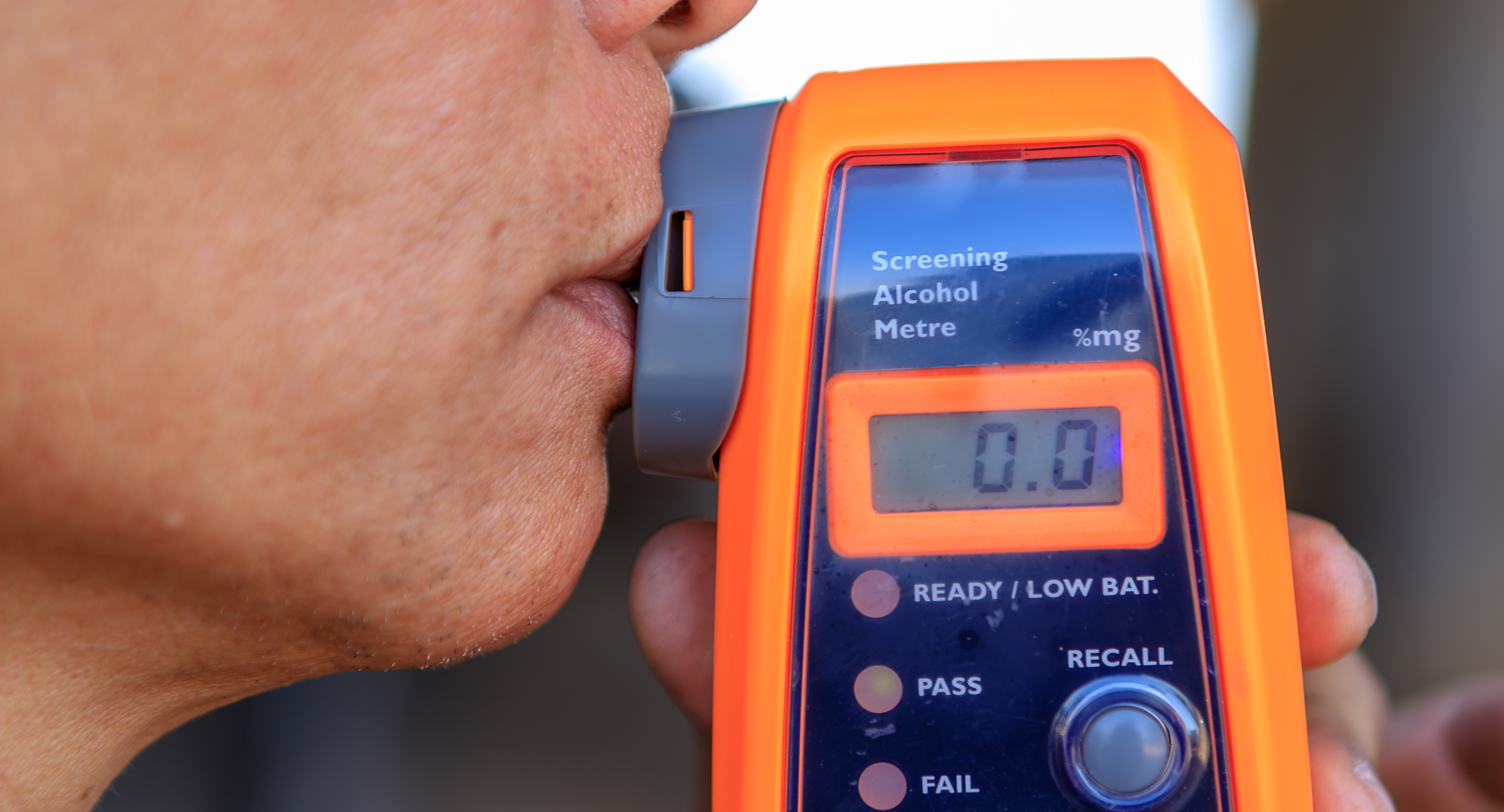
Breathalyzer inaccuracy: Our DUI scientists will evaluate whether the breathalyzer test was:
- Administered by trained personnel
- Performed on a properly calibrated machine
- Potentially affected by medical conditions like GERD, diabetes, or medications
- Compromised by environmental factors or user error
Blood test errors: Blood test evidence must be collected, handled, and stored properly. If there was any contamination, improper labeling, or chain-of-custody issues, the results may be unreliable.
Were your constitutional rights violated? If you weren’t informed of your Miranda rights before police questioning, we may be able to suppress any statements or confessions you made during the arrest.
Is there police bodycam and dashcam footage? We will request and review all available footage to challenge the officer’s account and potentially show that you were not impaired.
Are there witnesses who can support your defense? If someone can testify that you weren’t intoxicated before or during the stop, their statement can strengthen your case.
Is the evidence against you weak or insufficient? The prosecution must be able to prove beyond a reasonable doubt that you were impaired. If they can’t, we may be able to file a motion to dismiss the case entirely.
What Are Your Options if Dismissal Isn’t Possible?
At Michael & Associates, our #1 goal is a dismissal, but that may not always be possible. We will do everything within our power to get you the best possible outcome. This could include:
- Negotiating a reduction in charges (e.g., from DUI to reckless driving)
- Minimizing penalties such as jail time, fines, or license suspension