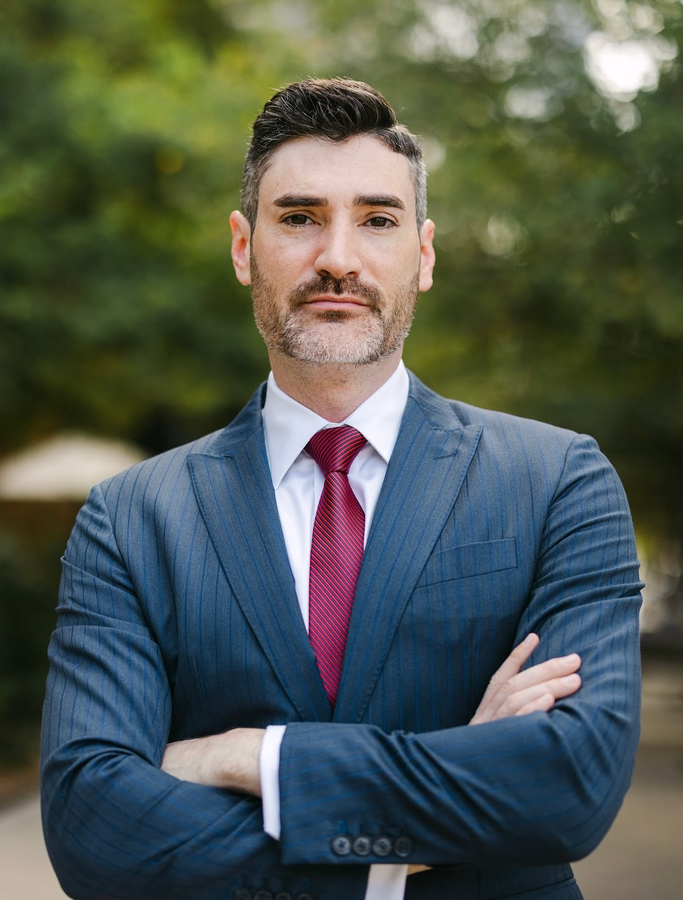
Ben Michael is the founder and managing partner of Michael & Associates. With over a decade of experience, he has defended hundreds of clients against charges from DWI to serious felonies.
In Dallas County, criminal cases won't all be handled in the same building. Misdemeanors usually go to the Criminal Courts at Law, while felonies are handled in the District Courts. While most criminal proceedings will take place at the Lew Sterrett Justice Center, some hearings may be held in other courthouse buildings.
Knowing which court your case is in — and how that court actually operates — can affect how fast things move, whether bond conditions are strict, and what options are realistically on the table.
If you’re feeling lost, you’re not alone. People commonly report to the wrong courthouse for jury duty or a hearing. Judges get annoyed and frustrated when this happens, and the last thing you want is to annoy the judge assigned to your case. Understanding the distinctions helps you avoid confusion about which building is which.
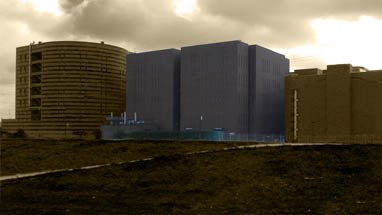
This isn't just a single courthouse. It's a massive complex with several buildings. It houses both the Dallas County Jail and the Frank Crowley Courts Building. Crowley is where most criminal cases in Dallas County begin and end.
Follow the signs to the building. Parking is available for a fee, or the DART bus system stops there. Even if you're there to post bail for someone who has been arrested and is being held at the jail, Crowley is where you'll go. The bail bond desk is located there.
Magistrate hearings, bond settings, and arraignments
Common cases: DWI, assault, theft, drug possession, and most felony offenses
If you’ve ever been arrested in Dallas County (or been summoned for criminal jury duty), you've probably been here.
People are often surprised by how crowded this complex usually is (sometimes the jail is at 100% capacity) and by how widely bond conditions and probation terms vary depending on the specific judge. Having a lawyer to help you navigate the process can make a big difference.
Criminal Courts at Law (Misdemeanors)
Most misdemeanor cases are handled in the Dallas County Criminal Courts at Law. They are located at the Frank Crowley Courts Building at the Lew Sterrett Justice Center.
Typical misdemeanor cases include:
First- and second-offense DWI
Misdemeanor assault
Theft
Marijuana and other controlled-substance possession (misdemeanor level)
Sub-stations
There are 10 Justice of the Peace (JP) courtrooms in Dallas County that commonly handle small claims, debt claims, evictions, and traffic matters. They’re organized into five precincts. Each precinct has two places (Place 1 and Place 2).
They are located across Dallas County:
Precinct 1 (Places 1 & 2): 107 S. Texas Street, 2nd Floor, Dallas, TX 75202 Precinct 2, Place 1: 140 N. Garland Avenue, Garland, TX 75040 Precinct 2, Place 2: 500 S. Galloway Avenue, Suite P200, Mesquite, TX 75149 Precinct 3, Places 1 & 2: 6820 Lyndon B. Johnson Freeway, Dallas, TX 75240 Precinct 4, Places 1 & 2: 106 W. Church Street, Suite 210, Grand Prairie, TX 75050 Precinct 5, Places 1 & 2: 3443 St. Francis Avenue, Dallas, TX 75228
Jury trials are also held at these sub-stations. If you're summoned for jury duty, make sure to confirm the location. You could be required to report to the Crowley courthouse, the George Allen Building, or any one of the sub-stations. You could also report to your original assigned location and be transferred to another courthouse.
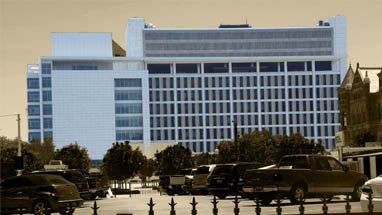
George Allen Courts Building
Address: 600 Commerce St, Dallas, TX 75202
Civil cases are heard here, but occasionally, criminal cases are heard here, too. Underground parking is available for a fee; there are metered spaces around the building, and the bus and light rail trains stop nearby.
What happens here:
Some hearings or specialty dockets are held here, even if your case originated elsewhere. Always double-check your paperwork before showing up.
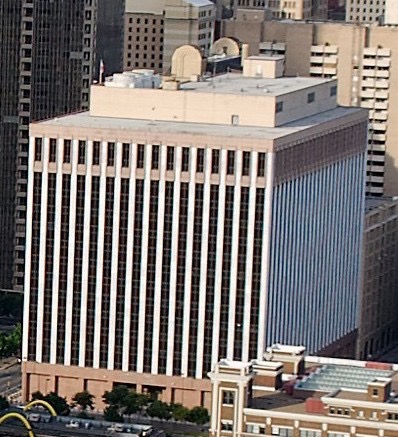
Earle Cabell Federal Building and Courthouse
Address: 1100 Commerce St, Dallas, TX 75242
This building houses the U.S. District Court for the Northern District of Texas, the U.S. Attorney's Office, and other federal agencies, including the IRS, which is based here. Leave extra time here. Security screening can take extra time because this facility has more than its share of security alerts.
What happens here:
These courts handle major, high-level civil disputes, felony criminal cases, and family law issues.
District Courts (Felonies)
Felony cases are handled in the Dallas County District Courts. These are mainly housed in the Frank Crowley Courts Building, but some can be assigned to the George L. Allen Sr. Courts Building.
Common felony cases include:
Felony DWI
Aggravated assault
Robbery
Drug distribution
Sexual offenses
Felony cases tend to move more slowly, but the stakes are much higher and the risk of jail time is significantly higher.
How Long does a Dallas County Criminal Case Usually Take?
It depends on the facts and the court, but most cases follow a general timeline.
The arrest or citation happens first — that’s day zero. If someone is taken into custody, they’ll usually see a magistrate and have bail set within 24 to 48 hours. After that, prosecutors review the case and decide whether to formally file charges, which can take anywhere from a few days to several weeks.
Arraignment often occurs about 2 to 6 weeks after charges are filed. From there, the case moves into the pretrial phase, where evidence is reviewed, and negotiations take place. That stage can last several months.
If your case isn't resolved during this stage, it will probably go to trial. From start to finish, some cases wrap up in a few months, while others can take a year or longer.
The exact timing depends on the court assignment, the complexity of the evidence, scheduling issues, and whether there are legal motions that need to be resolved.
This applies to all of the different buildings in Dallas County:
Getting Through the Building
Arrive early. Security lines can be slow, especially in the mornings when staff and jurors are also being screened.
Bring all your paperwork. Dress appropriately. First impressions make a difference. Also, keep in mind that some areas of the courthouse restrict phone use, so don’t keep important information stored there.
Inside the Courtroom
Court dockets in Dallas County are usually full. Judges move through cases quickly, and continuances aren’t automatically granted just because you ask for one. Each judge runs their courtroom a little differently, with their own expectations about preparation and professionalism. Always act respectfully.
The more prepared you are early in the process, the more options you typically have later. Preparation creates leverage.
Common Courthouse Mistakes
Most complications don’t start in the courtroom — they start with someone making an avoidable mistake.
People get into trouble for missing court dates, violating bond conditions, or discussing their case in public areas of the courthouse. Another common mistake is assuming that if they haven’t heard anything, nothing is happening.
Ignoring a problem won't make it better. It will almost always make it worse.
Frequently Asked Questions
Are all Dallas County criminal cases at Lew Sterrett?
Most are, but not all. Some hearings are assigned to other buildings depending on the court.
Can a lawyer appear for me?
In many misdemeanor cases, especially at the beginning, your attorney can appear in court on your behalf. However, you’ll usually need to be present if the case is set for trial or if you’re entering a plea.
How do I check where my case is set?
You can look up your court assignment through the Dallas County Clerk’s online case search using your name or case number.
Does the courthouse really affect outcomes?
It can, though it's not the courthouse itself that makes the difference. It's the judge. The judge’s preferences can impact how quickly a case moves and how negotiations unfold.
Bottom Line
Dallas County has three primary courthouses that are currently in use. Where your case is assigned, how the court operates, and how quickly cases move can all shape what happens next.
About Michael & Associates
Michael & Associates is a Texas-based criminal defense firm that represents clients in Dallas County misdemeanor and felony cases, including DWI, DUI, drug DWI, marijuana DWI, drug charges, assault and domestic violence, theft, and shoplifting. The firm regularly handles cases arising from Dallas County jail intake, magistrate hearings, bond proceedings, and pretrial litigation.
Note: This article was written by Ben Michael, Managing Partner of Michael & Associates (Texas Bar Card #24088055). It was originally published on February 17, 2026, and has been reviewed for accuracy by the Michael & Associates research team and the firm's Dallas attorneys, who are familiar with Dallas County jail intake procedures, magistrate hearings, and bond practices, including early-intervention defense strategy in the first 24–72 hours after arrest.
Ben Michael is the founder and Managing Partner of Michael & Associates, and has nearly a decade of experience in criminal defense here in Austin, TX. He is an experienced criminal defense attorney who has spent nearly a decade helping those accused of crimes achieve the best possible outcome. He has successfully defended hundreds of clients, handling all sorts of legal issues, including DWI, assault, domestic violence, sex crimes, possession of controlled substances, expungement cases, and…