A Drug DWI in Dallas involves alleged impairment by any controlled substance, while a Marijuana DWI specifically involves THC. Texas has no legal THC limit, and THC can remain detectable in your system long after impairment ends. As a result, marijuana DWI cases are usually more subjective and easier to defend than other Drug DWI cases in Dallas.
Last updated: February 2026
What’s Different, What’s the Same, and What Actually Matters
Not all Drug DWI cases in Dallas are the same.
In Texas, it's illegal to drive when impaired by any substance, including prescription drugs, over-the-counter medication, or marijuana.
A significant number of DWI arrests involve marijuana (or THC), which creates unique scientific and legal problems that do not exist in other Drug DWI cases.
Understanding the difference between a general Drug DWI and a Marijuana DWI is critical because, while the penalties are the same, the evidence and proof required to successfully challenge the charges are not.
Michael & Associates has a long history of resolving all types of DWI cases in Texas, including those that involve all types of drugs or weed. We can often negotiate a slap on the wrist. Please give us a call at (512) 764-1417 or schedule a free case review, and we will be happy to give you our take, free of charge.
Related: First DWI in Dallas
What Is a Drug DWI in Dallas?
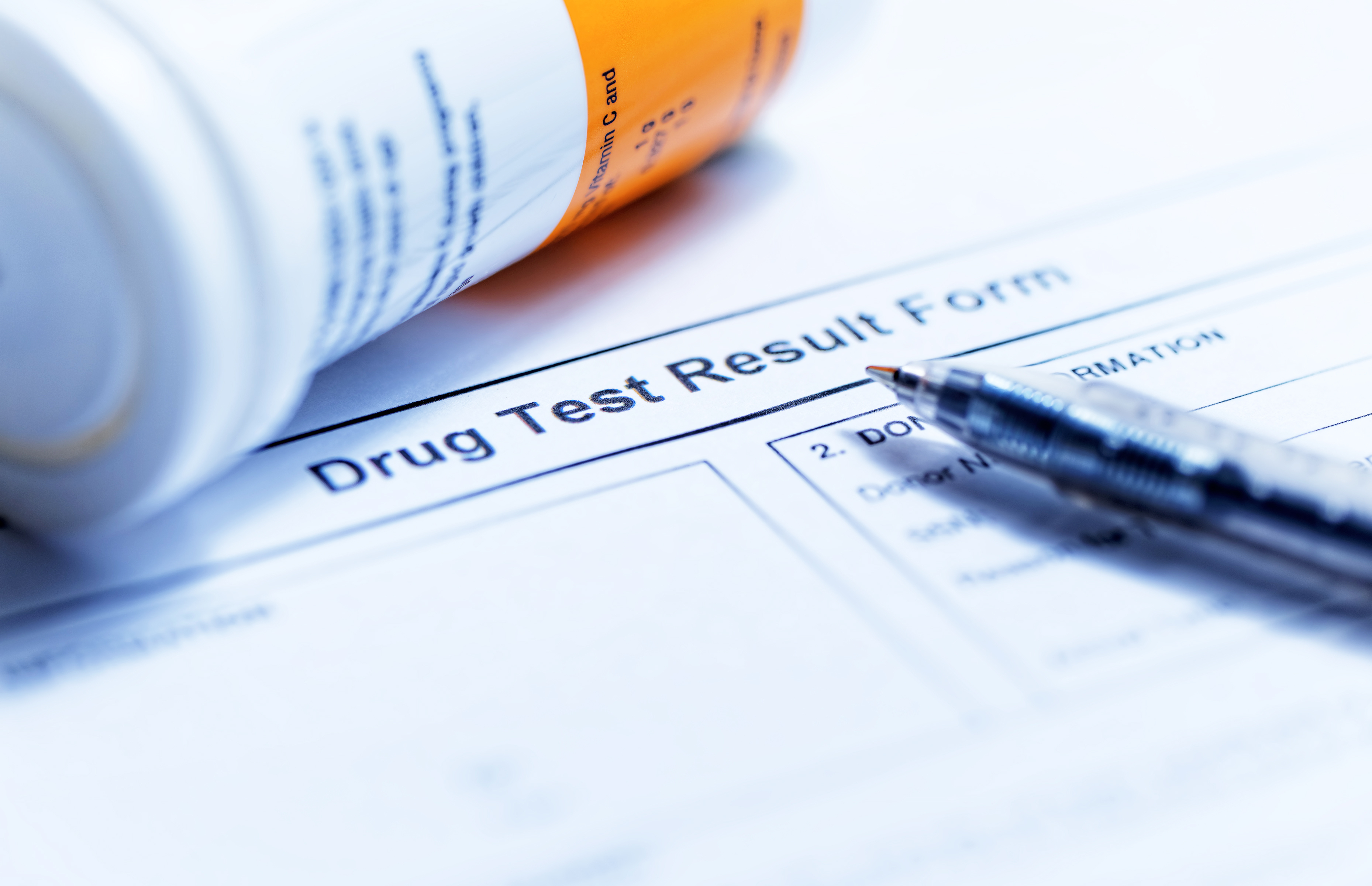
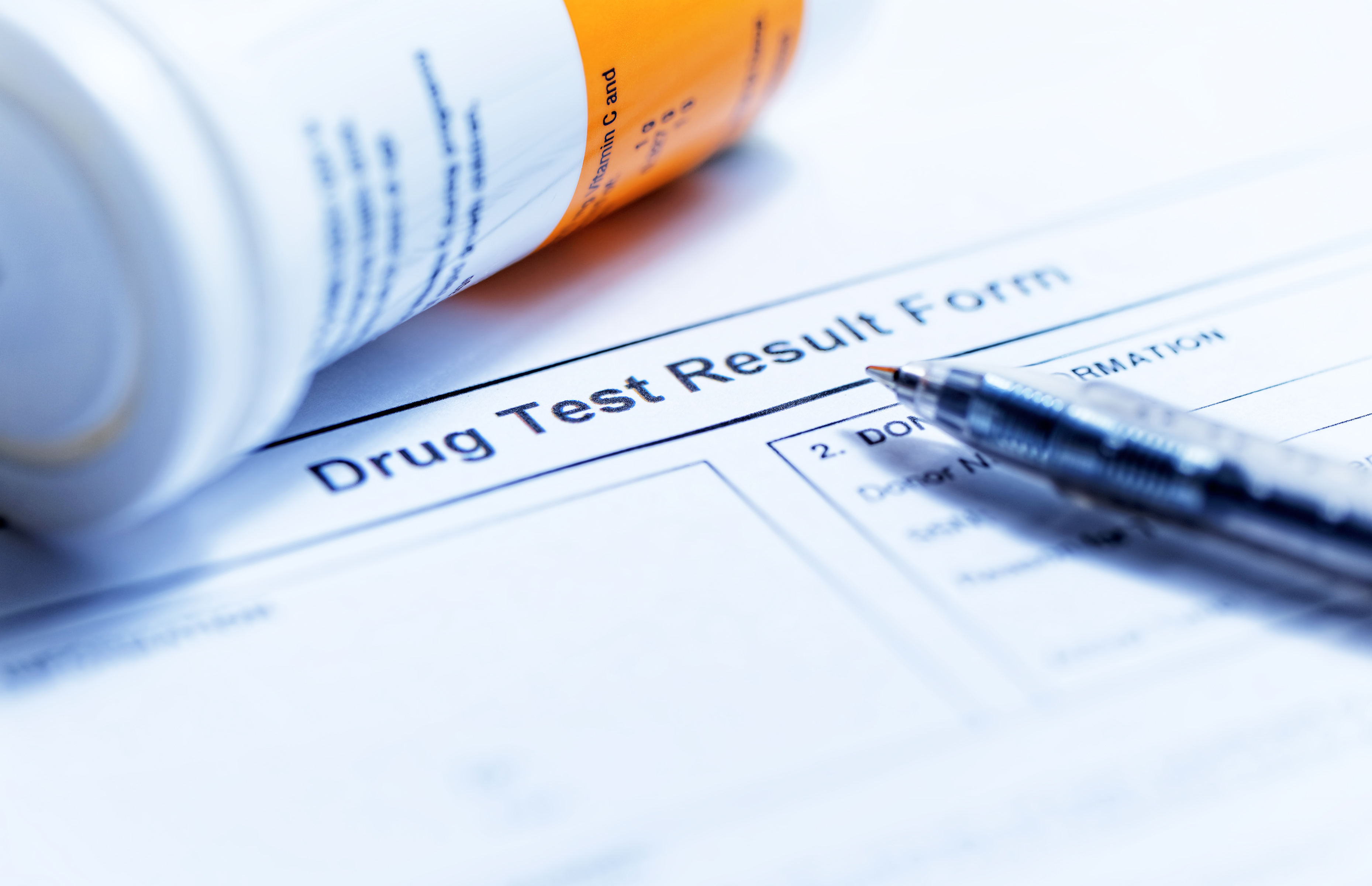
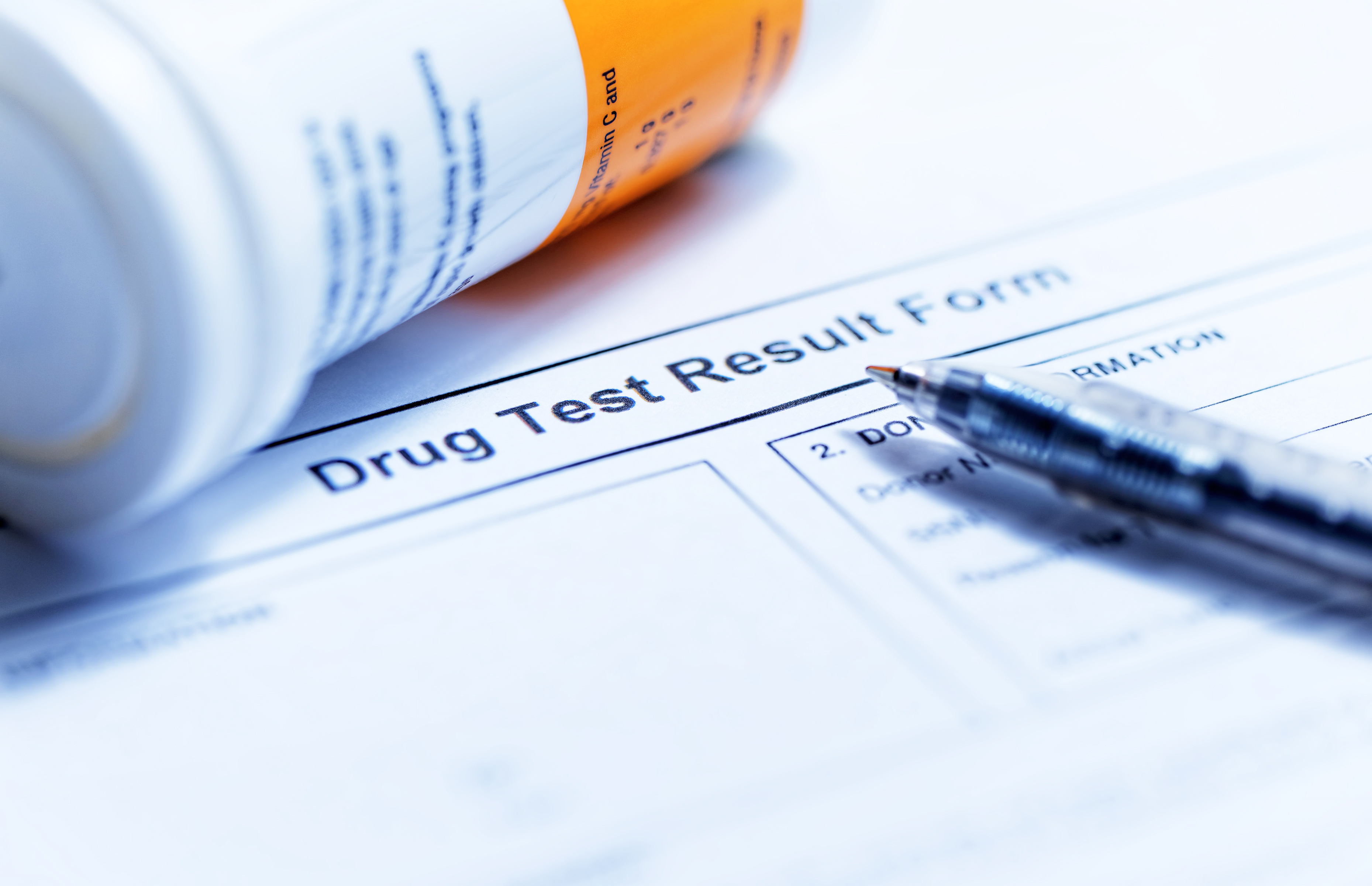
A Drug DWI (also called a DUID or drugged driving) is a charge alleging that a driver lost the normal use of mental or physical faculties due to any controlled substance other than alcohol, including:
- Prescription medications
- Illegal drugs
- Over-the-counter medications
- Combinations of substances
There is no numeric legal limit for drugs in Texas. The penalties involved with your charge depend on the state's classification of the substance involved in your case and the amount detected in your system.
Real World Example
In one Dallas County case, a suspect was arrested after showing impaired, slurred speech and confusion, but witnesses noted they did not smell alcohol. Police found prescription pill bottles for Valium and oxycodone in the car's center console, and the suspect was arrested and charged with drugged driving (DUID).
Related: Texas drug penalty groups
What Is a Marijuana DWI?
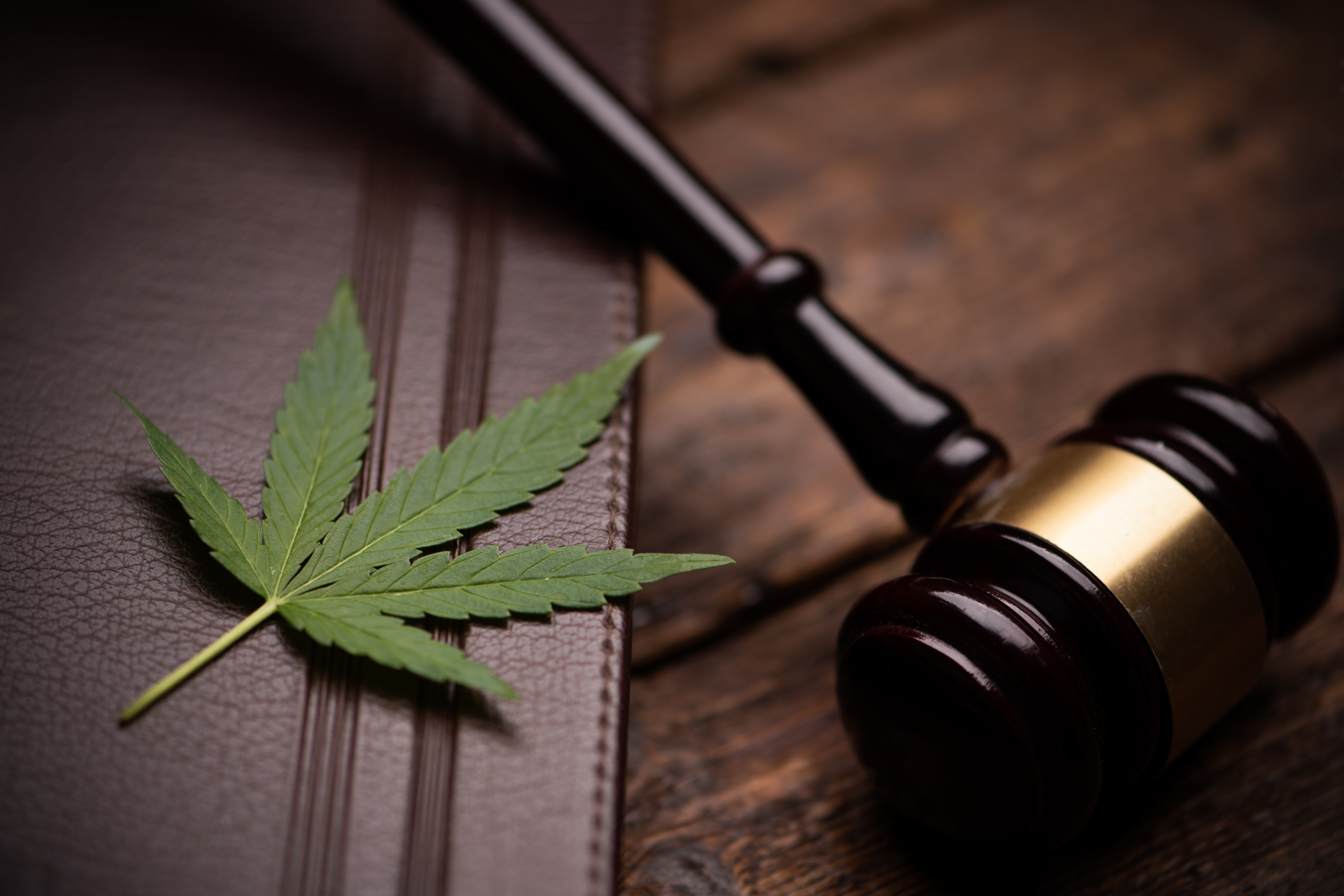
A Marijuana DWI is a type of Drug DWI where the officer claims you were impaired specifically by THC, the psychoactive ingredient in cannabis.
It’s different from an alcohol DWI in a few important ways. With alcohol, the law sets a clear legal limit: a blood alcohol concentration (BAC) of 0.08% or higher is considered legally intoxicated. There is no similar “per se” number for THC. The state can’t just point to a specific THC level and automatically say you were legally intoxicated.
Here’s what that usually means in practice:
- Alcohol is not part of the case.
- A breath test will typically show 0.00 BAC.
- The presence of THC alone does not prove impairment. Prosecutors still have to show that you were actually impaired while driving.
- Blood tests cannot reliably determine when the THC was consumed or whether you were impaired at the time of driving.
My nephew was recently pulled over in Arlington, TX, and had 8 Delta-8 vape pens in his car. He was detained and is currently in jail. I thought Delta-8 was legal in Texas due to the ongoing court battles, but it looks like law enforcement there is still making arrests.
Even if you legally purchased a hemp or cannabis-related product from an authorized retailer, charges are based on volume rather than potency, and you can still be arrested and charged with Marijuana DWI if law enforcement believes you were impaired while driving. The product's legality does not protect you from a DWI charge.
Dallas County Context: Why Marijuana DWIs Are Common (and Weak)
Despite recent local decriminalization efforts for simple marijuana possession, if law enforcement suspects that you're impaired, you have a high risk of being arrested in Dallas County. While the "Dallas Freedom Act" (Proposition R, passed Nov 2024) instructs police not to arrest or cite for personal possession of up to 4 ounces, this policy does not apply if the marijuana is connected to a DWI investigation, and Texas Attorney General Ken Paxton sued the city to block enforcement of Proposition R.
Related: Is weed legal in Texas?
In Dallas County, marijuana DWIs have increased due to:
- More breath-test refusals followed by blood draws
- Greater focus on “drug impairment” after 0.00 results
- Use of Drug Recognition Experts (DREs)
- Long DPS toxicology lab backlogs
- Ambiguous impairment measurements
These cases often rely almost entirely on an officer's interpretation rather than scientific certainty.
Related: Is Delta 8 THC legal?
Comparison: What Prosecutors Must Prove
To secure a conviction in either case, prosecutors must prove loss of faculties at the time of driving, but how they attempt to do that differs based on the substance involved.
| Legal Element | Drug DWI | Marijuana DWI |
|---|---|---|
| Loss of faculties | Required | Required |
| Substance | Any drug | THC only |
| Numeric threshold | None | None |
| Proof timing | At time of driving | At time of driving |
| Scientific clarity | Varies | Extremely weak |
In marijuana cases, prosecutors must prove that THC caused impairment at the moment of driving, not merely that THC was present in the body. That can be challenging.
How to Beat a Marijuana DWI in Dallas
Marijuana DWIs present complications that do not exist in most other Drug DWI cases. This typically includes:
- No acceptable THC impairment level
- THC is fat-soluble and lingers in your body long after the effects fade
- Blood THC levels do not correlate reliably with driving impairment
- Chronic users may test positive while sober
- Detection does not equal intoxication
As a result, marijuana DWIs in Dallas are often built on assumptions, not proof. Michael & Associates aggressively challenges these assumptions.
How Dallas Police Investigate Drug vs Marijuana DWI
How police and prosecutors approach each type of charge differs.
General Drug DWI Investigations
These rely more heavily on testing.
- Driving behavior observations
- Field sobriety tests
- Admissions about medication use
- Blood testing
- Occasionally, the testimony of a Drug Recognition Evaluator (DRE)
Marijuana DWI Investigations
These are based more on physical signs that are presented at the time of the arrest, including:
- Odor allegations
- Red or glassy eyes
- Slow or confused responses
- Field sobriety tests
- THC blood results
- Heavy reliance on DRE opinions
In both, evidence is subjective and circumstantial, but marijuana cases in particular rely on officer interpretation.
Field Sobriety Tests and Marijuana
Standardized Field Sobriety Tests were developed to detect alcohol impairment, not THC. We can capitalize on weaknesses in these cases by establishing:
- Anxiety, fatigue, or injury mimicking impairment
- No validated THC-specific performance thresholds
- Poor roadside testing conditions
- The officer's misinterpretation of “clues”
These flaws exist in all Drug DWIs but are often most damaging in marijuana cases.
Drug Recognition Experts (DREs): Bigger Role, Bigger Weakness
Blood Tests: Why Marijuana Is Different
Blood testing is misunderstood in marijuana cases.
In addition to weaknesses we've already mentioned, including the length of time THC remains in your bloodstream and the inability to determine the timing of any impairment, lab results can be delayed in Dallas can often take six months to a year, and during that time, chain-of-custody and degradation issues are common.
A positive THC test only proves prior exposure, not intoxication.
Drug DWI vs Marijuana DWI: Timeline in Dallas
| Stage | Drug DWI | Marijuana DWI |
|---|---|---|
| Breath test | Often irrelevant | Usually 0.00 |
| Blood draw | Common | Almost always |
| Lab delay | Months | 6–12+ months |
| Pretrial leverage | High | Very high |
| Early resolution | Common | Extremely common |
Many marijuana DWIs end up being resolved before the lab returns the toxicology results.
Penalties: Are Marijuana DWIs Treated Differently?
Real-World Example
- Two years on probation
- Four substance abuse classes
- Mandatory IID installation
- Either 24 hours of community service or donate $30 to a charity
This is similar to a sentence we might see for someone who pleads guilty to a first DWI.
License Suspension (ALR) in Drug vs. Marijuana DWI Cases
- You refuse to provide a blood sample, or
- A blood sample is taken after your arrest
- Weaker probable cause indicators
- Delays between the traffic stop and the blood draw
- A lack of clear, objective signs of impairment
Bottom Line
In Dallas County, marijuana DWI cases are a subset of Drug DWIs, but the lack of a THC impairment standard and long detection window make them among the most defensible DWI charges when challenged early
FAQs: Drug DWI vs Marijuana DWI in Dallas
Is marijuana DWI treated more harshly than other Drug DWIs?
No. Penalties are the same, but marijuana cases are often harder to prove.
Can you be charged days after using marijuana?
Yes, if THC is detected—but detection does not prove impairment.
Are marijuana DWIs easier to fight?
Often yes, due to weak science and subjective evidence.
Does legal marijuana use matter in Texas?
Lawful use does not equal intoxication; impairment must still be proven.
Legal disclaimer: This page reflects Texas law and does not apply to other states. Laws discussed are current as of 2026.
Note: Author Ben Michael (Texas Bar Card #24088055) is the Managing Partner of Michael & Associates and has spent more than a decade defending Texans charged with DWI and other serious criminal offenses. This article was originally published on January 14, 2026, and has been reviewed for accuracy by Michael & Associates' research team and experienced Texas DWI lawyers.
Sources: Michael & Associates research and internal case data, Texas Penal Code, Texas Department of Public Safety, Dallas County DA's Office, Texas Health and Safety Code, Texas Controlled Substances Act, Ballotpedia,
Related Coverage
Will I Go to Jail for DWI in Dallas?