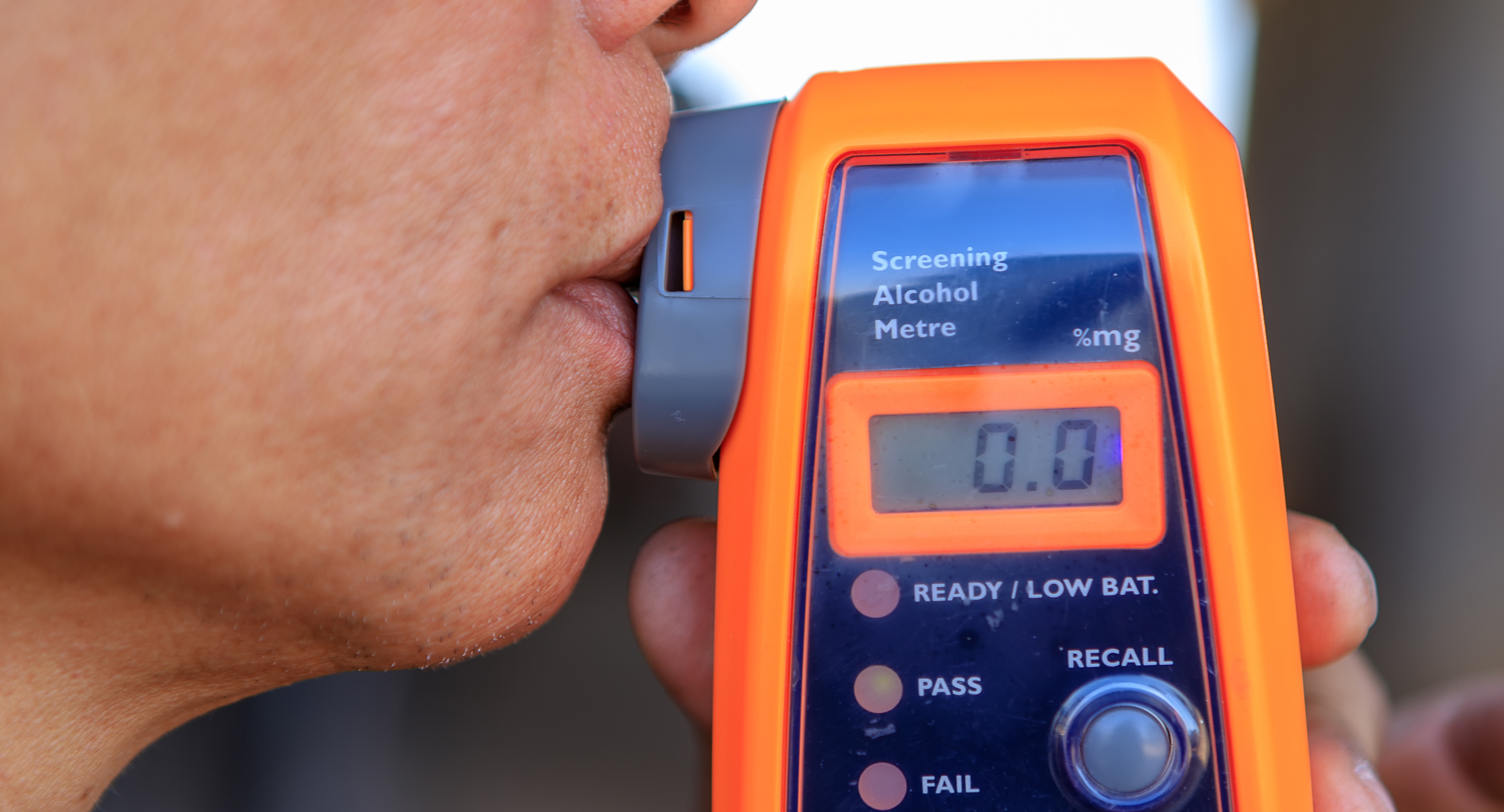
The term “aggravated DWI” is not a formal offense under Texas law. Rather, it is an informal designation referring to a standard DWI that is subject to increased charges and penalties due to certain aggravating factors, such as a blood alcohol concentration of 0.15 or higher, the presence of a child passenger under 15, or causing serious bodily injury. These enhancements are authorized by Texas Penal Code §§ 49.04, 49.045, and 49.07.
How Texas Enhances a DWI
Texas increases DWI penalties when aggravating factors are present, converting a standard misdemeanor into a Class A misdemeanor or felony, depending on the circumstances (Tex. Penal Code § 49.04).
Aggravated DWI Factor #1: High BAC (0.15 or Higher)
What Counts as High BAC?
A BAC of 0.15% or higher is an aggravating factor that enhances a DWI charge under Tex. Penal Code § 49.04(d).
How High BAC Changes the Case
- Charge level: Class B → Class A misdemeanor
- Jail exposure: Up to 1 year (Tex. Penal Code § 12.21)
- Fine: Up to $4,000 (§ 12.21)
- Ignition interlock: Commonly ordered (Tex. Code Crim. Proc. art. 42A.408)
High BAC is one of the most common and easiest enhancements prosecutors use.
Aggravated DWI Factor #2: Child Passenger (DWI With a Child)
What Is DWI With a Child?
Driving while intoxicated with a passenger under 15 years old is a separate felony offense, regardless of BAC, under Tex. Penal Code § 49.045.
Penalties for DWI With a Child
- Charge level: State jail felony
- Confinement: 180 days to 2 years (Tex. Penal Code § 12.35)
- Fine: Up to $10,000
- Ignition interlock: Mandatory (Tex. Code Crim. Proc. art. 42A.408)
- CPS involvement: Often triggered
This offense is treated as child endangerment, even in the absence of an accident.
Aggravated DWI Factor #3: Serious Injury (Intoxication Assault)
What Is Intoxication Assault?
If a DWI causes serious bodily injury to another person, the charge becomes Intoxication Assault, a felony under Tex. Penal Code § 49.07.
Penalties for Intoxication Assault
- Charge level: Third-degree felony
- Prison: 2–10 years (Tex. Penal Code § 12.34)
- Fine: Up to $10,000
- License suspension: Up to 2 years (Tex. Transp. Code § 524.035)
- Restitution: Commonly ordered
Intoxication assault cases are prosecuted aggressively and often involve accident reconstruction and medical testimony.
How Aggravated DWI Changes the Case Immediately
When aggravating factors are present, prosecutors typically:
- File enhanced charges at intake
- Seek higher bond amounts.
- Require ignition interlock as a bond condition (Tex. Code Crim. Proc. art. 17.441)
- Reduce plea flexibility
- Push for incarceration
License Consequences in Aggravated DWI Cases (ALR)
All aggravated DWIs trigger an Administrative License Revocation (ALR) case under Tex. Transp. Code §§ 524.011–524.015.
- ALR hearing deadline: 15 days (§ 524.032)
- Suspension length:
- Test failure: 90 days to 2 years
- Test refusal: Up to 2 years (§ 524.035)
License suspension applies even if the criminal case is dismissed, unless the ALR is won.
Comparisons
Standard DWI vs High BAC DWI
| Statute | § 49.04(b) | § 49.04(d) |
| Charge | Class B | Class A |
| Jail exposure | 72 hrs–180 days | Up to 1 year |
| Max fine | $2,000 | $4,000 |
| Ignition interlock | Possible | Likely |
High BAC vs DWI With Child Passenger
| Statute | § 49.04(d) | § 49.045 |
| Charge | Class A misdemeanor | State jail felony |
| Prison / jail | County jail | State jail |
| CPS involvement | No | Common |
| Severity | Enhanced misdemeanor | Felony |
DWI With Child vs Intoxication Assault
| Statute | § 49.045 | § 49.07 |
| Injury required | No | Yes (serious bodily injury) |
| Charge | State jail felony | Third-degree felony |
| Prison range | 180 days–2 years | 2–10 years |
| Restitution | Possible | Likely |
Heat Maps
These heat maps use color intensity to illustrate the increasing severity of the charge, enabling a clear comparison of the impact of each aggravating factor on legal consequences.
Map 1: Charge Severity by Aggravating Factor
This visually represents how various aggravating factors affect the severity of DWI charges in Texas. For example, standard DWIs are classified as misdemeanors, but a high BAC (≥ 0.15), driving with a child passenger under 15, or causing serious bodily injury escalates the charge to a higher-level misdemeanor or felony.
| Aggravating Factor | Charge Level | Severity |
|---|---|---|
| No aggravation | Class B misdemeanor | 🟢 Low |
| BAC ≥ 0.15 | Class A misdemeanor | 🟡 Moderate |
| Child passenger (<15) | State jail felony | 🔴 High |
| Serious bodily injury | 3rd-degree felony | 🔴🔴 Very High |
Map 2: Incarceration Exposure
This visual depicts how various aggravating factors affect the likelihood of incarceration in Texas.
| Factor | Jail / Prison Range | Risk Level |
|---|---|---|
| Standard DWI | 72 hrs – 180 days | 🟢 |
| High BAC | Up to 1 year jail | 🟡 |
| DWI with child | 180 days – 2 years | 🔴 |
| Intoxication assault | 2 – 10 years prison | 🔴🔴 |
Map 3: Prosecutorial Aggressiveness
This map visually depicts the risk of aggressive prosecution and the likelihood of negotiating a plea agreement.
| Factor | Plea Flexibility | Bond Conditions | Overall Risk |
|---|---|---|---|
| Standard DWI | Moderate | Standard | 🟢 |
| High BAC | Reduced | Interlock common | 🟡 |
| Child passenger | Low | Strict + CPS | 🔴 |
| Serious injury | Very low | Aggressive | 🔴🔴 |
Map 4: Long-Term Consequences
This map represents the degree of long-term consequences of a conviction:
| Standard DWI | Permanent misdemeanor | Up to 1 year | Moderate |
| High BAC | Permanent misdemeanor | Up to 1 year | Moderate–High |
| Child passenger | Felony record | Up to 2 years | High |
| Serious injury | Felony record | Up to 2 years | Severe |
Can an Aggravated DWI Be Reduced or Dismissed?
Yes. Even aggravated DWI cases can be dismissed or reduced when:
- The stop violates the Fourth Amendment.
- Blood or breath testing is unreliable.
- The chain of custody is broken.
- Causation cannot be proven (§ 49.07 requires proof of injury caused by intoxication)
Aggravating facts increase penalties—but they do not remove defenses.
Bottom Line
In Texas, aggravated DWI means enhanced punishment, not a separate charge. High BAC, child passengers, and serious injury can escalate a DWI to a Class A misdemeanor or felony with jail or prison exposure—but these cases are still defensible.
FAQs — Aggravated DWI in Texas
What is considered an aggravated DWI in Texas?
Texas does not use “aggravated DWI” as a formal charge. The term refers to DWIs enhanced by factors like BAC ≥ 0.15, child passenger, or serious bodily injury, which increase penalties under Tex. Penal Code §§ 49.04, 49.045, and 49.07.
Is a high BAC DWI a felony in Texas?
Not by itself. A BAC of 0.15 or higher upgrades a first DWI to a Class A misdemeanor under Tex. Penal Code § 49.04(d). It becomes a felony only if other factors apply (prior DWIs, injury, child passenger).
Is DWI with a child passenger a felony?
Yes. DWI with a passenger under 15 is a state jail felony, even with no accident, under Tex. Penal Code § 49.045.
What is intoxication assault?
Intoxication assault occurs when a DWI causes serious bodily injury to another person. It is a third-degree felony under Tex. Penal Code § 49.07, punishable by 2–10 years in prison.
Is jail or prison mandatory for aggravated DWI?
It depends on the factor.
- High BAC: Jail possible, not mandatory
- DWI with child: Jail or state jail likely
- Intoxication assault: Prison authorized and often pursued
Is ignition interlock required in aggravated DWI cases?
Almost always. Courts commonly require an ignition interlock as a bond condition and during probation under Tex. Code Crim. Proc. arts. 17.441 and 42A.408.
Can an aggravated DWI be dismissed?
Yes. Even aggravated DWIs can be dismissed if the traffic stop was unlawful, testing is unreliable, blood procedures were flawed, or causation cannot be proven (especially in injury cases).
Will aggravated DWI affect my professional license?
Yes. Aggravated DWI convictions frequently impact medical, nursing, teaching, legal, and CDL licenses, especially when the case is a felony.
Sources: Michael & Associates research, Texas DWI and DUI Glossary, Texas Penal Code, Texas Transportation Code, Texas Department of Transportation (TxDOT), Texas Department of Motor Vehicles (DMV), Texas State Office of Administrative Hearings (SOAH).
Additional DWI Resources
What is Deferred Adjudication?
What is the Difference Between DUI and DWI in Texas?