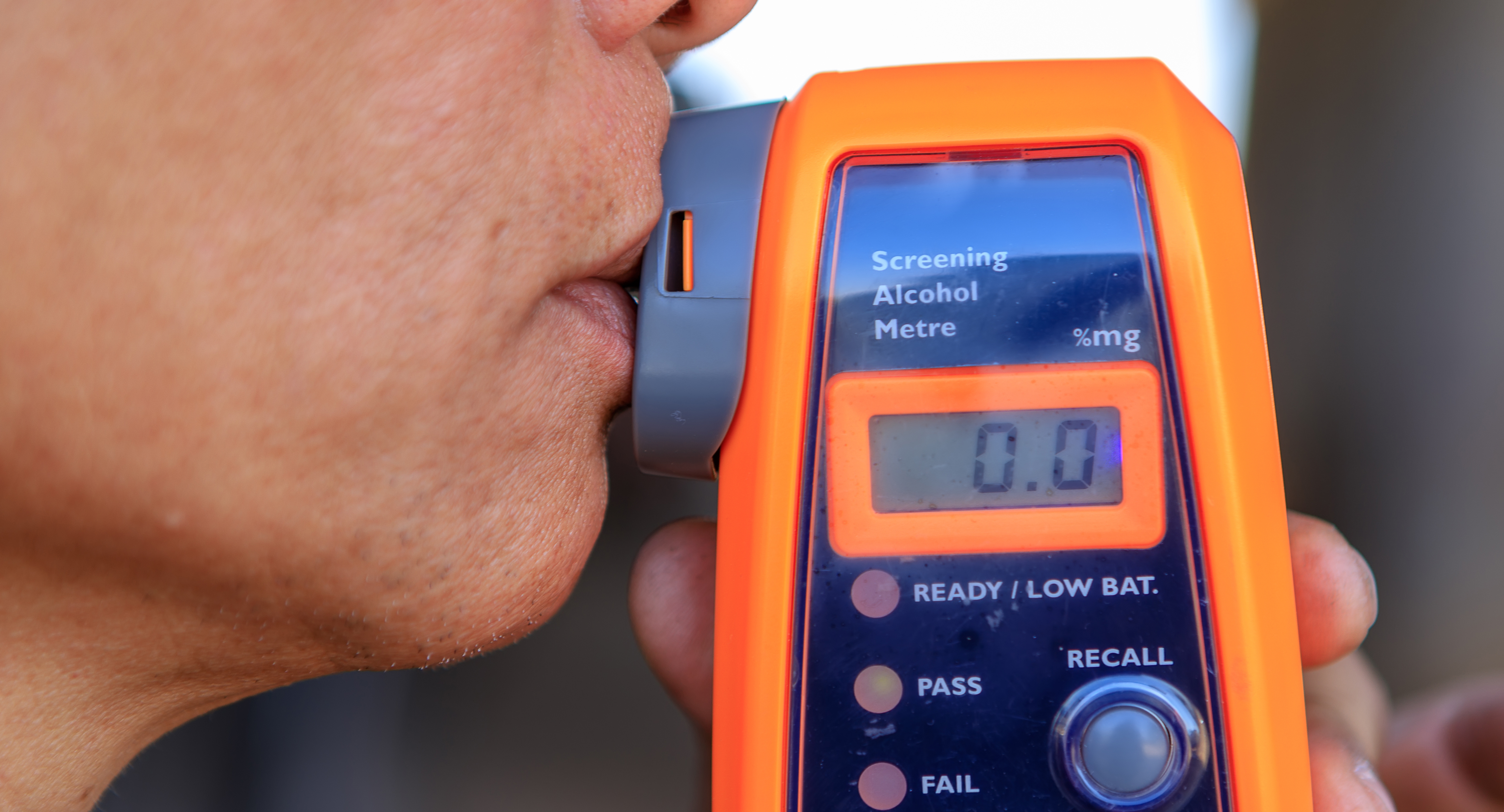
In Texas, DWI (Driving While Intoxicated) is the primary charge for impaired driving for those 21 and older, and it applies when a person is operating a vehicle with impaired mental or physical faculties due to alcohol, drugs, or other substances.
DUI (Driving Under the Influence) is a separate charge specifically for minors (under 21). It involves having any detectable amount of alcohol in their system while driving, which is a zero-tolerance offense.
Key Takeaways
- DUI applies to minors under 21 with any alcohol in their system — no need for a 0.08% BAC.
- DWI is more serious, applies to any age, and involves proven intoxication through BAC or impairment.
- DUI penalties include fines, license suspension, and community service.
DUI vs. DWI in Texas: What's the Difference?
In Texas, DUI and DWI are not the same thing — a distinction that's unique compared to other states.
- DUI (Driving Under the Influence) applies specifically to minors under the age of 21 who are caught driving with any detectable amount of alcohol at all in their system.
- DWI (Driving While Intoxicated) applies to adults (21 and over) or minors who are legally intoxicated — meaning a blood alcohol concentration (BAC) of 0.08% or higher, or if drugs impair their ability to drive.
So, in Texas:
- DUI = Underage drivers with any alcohol in their system.
- DWI = Drivers of any age who are legally intoxicated.
This distinction is codified in the Texas Penal Code, Section 106.041, for DUI, and Section 49.04 for DWI. You can read the official Texas statutes here.
Penalties for DUI in Texas (Under 21)
Texas has a zero-tolerance policy for underage drinking and driving. Here are the standard penalties for a first-offense DUI (minor):
|
Offense |
Penalty |
|
First DUI |
Fine up to $500, 20–40 hours of community service, mandatory alcohol awareness class, driver's license suspension (60–180 days) |
|
Second DUI |
Same penalties with increased suspension time |
|
Third DUI (under 17) |
Juvenile detention, longer suspension, and higher fines |
If a minor is 17 or older, but under 21, and their BAC is 0.08% or higher, they could face DWI charges instead, which are much more serious.
Penalties for DWI in Texas (Adults)
Here’s a quick look at adult DWI penalties:
|
Offense |
Fine* |
Jail time |
License suspension |
|
First DWI |
Up to $2,000 |
3–180 days |
90 days to 1 year |
|
2nd DWI |
Up to $4,000 |
30 days – 1 year |
180 days to 2 year |
|
3rd DWI |
Up to $10,000 |
2–10 years (felony) |
Up to 2 years |
*Additionally, you may have to pay a mandatory state fine of $3,000 to $6,000, depending on your BAC.
You can find an updated summary of penalties on the Texas Department of Transportation website.
Know Your Rights
Whether you're under or over 21, if you're pulled over for suspected DUI or DWI in Texas:
- You have the right to remain silent.
- You have the right to refuse field sobriety tests, though doing so may result in a license suspension under the implied consent law. Texas's implied consent law states that by driving on the state's roads, you have already consented to a blood or breathalyzer test if an officer suspects you of DUI. Refusing a test can lead to an automatic license suspension. Please speak with an attorney before answering any questions.
Texas also operates under "no refusal" weekends or holidays. However, these are essentially meaningless. Your rights do not change just because it's a holiday weekend. You still maintain the right to refuse blood, breath, and field sobriety tests. Officers can obtain a warrant to force a blood draw, but they can do this for any DWI or DUI arrest. The only difference is that they may be able to obtain a warrant faster on a holiday weekend.
The Bottom Line
So, what is a DUI in Texas? It's a criminal charge for minors driving with any amount of alcohol in their system. For adults, the equivalent — and more severe — charge is DWI. Either way, the consequences are serious, and it's critical to understand your rights if you're stopped.
If you've been charged with DUI or DWI, our team at Michael & Associates is here to help. Contact us today for a free case review.
FAQs
Can someone over 21 get a DUI in Texas?
No. In Texas, DUI is specifically reserved for drivers under 21. Adults are charged with DWI if they are found intoxicated.
Is a DUI in Texas considered a criminal offense?
Yes. A DUI is considered a Class C misdemeanor, but it can still affect your criminal record, insurance rates, and driving privileges.
Can you get a DUI for drugs in Texas?
Not exactly. If you're impaired by drugs (illegal, prescription, or even over-the-counter), you can be charged with DWI, not DUI. DWI is a more serious offense.
What happens if you refuse a breathalyzer in Texas?
Refusing a breathalyzer or blood test can lead to an automatic driver's license suspension under Texas's implied consent law, even if you're not convicted.
Do DUI charges stay on your record in Texas?
Yes, but you may be eligible to request expungement of a DUI if certain conditions are met, such as being a first-time offender. Learn more here.