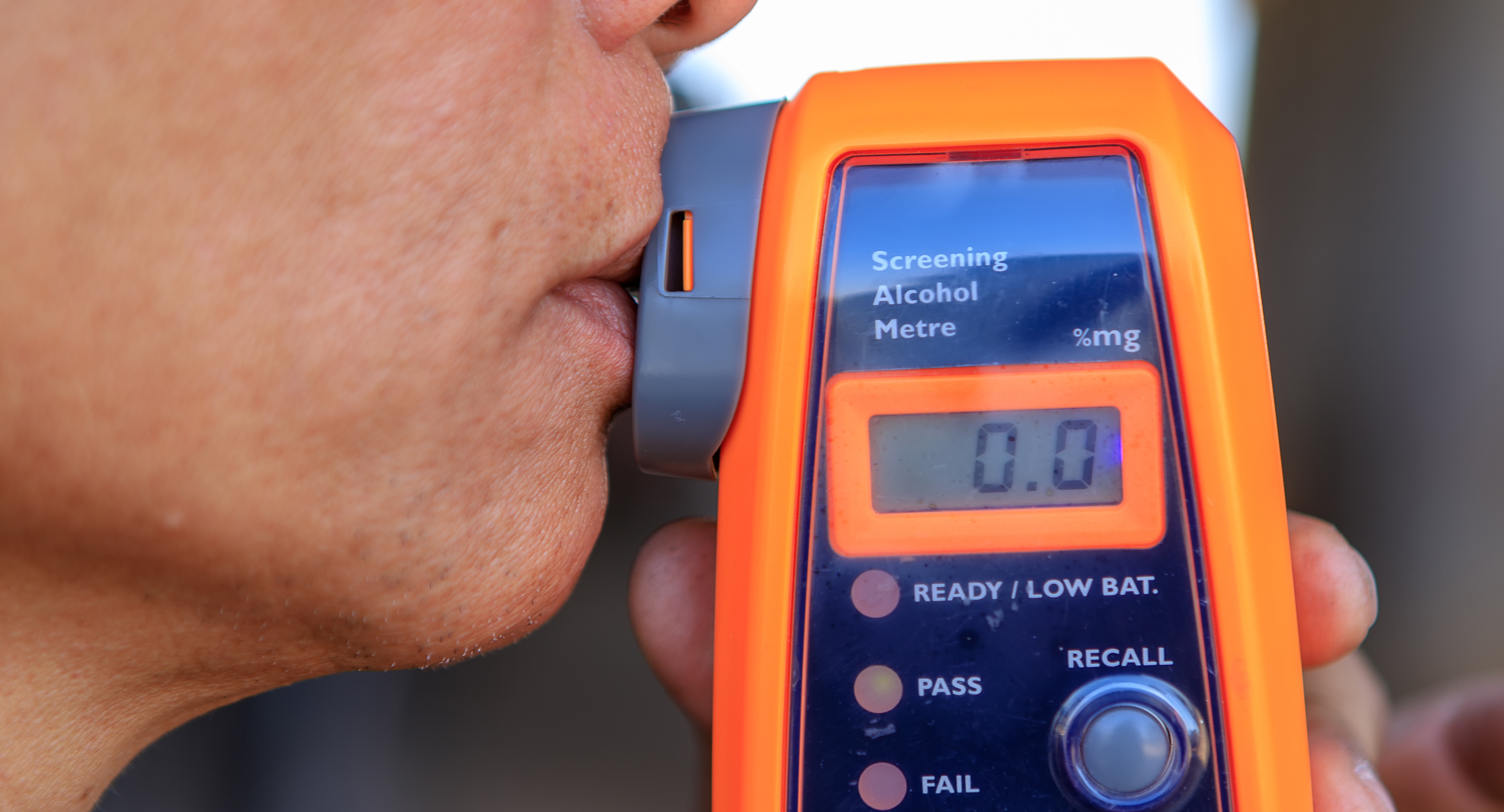
In Texas, DUI and DWI are two completely different offenses—even though many people use the terms interchangeably. The key difference is age and the legal standard of intoxication.
-
DWI applies to adults 21 and older (and sometimes minors) who operate a motor vehicle while intoxicated by alcohol, drugs, or both.
-
DUI applies only to minors under 21 who operate a vehicle with any detectable amount of alcohol in their system.
Understanding the distinction is critical because a DWI is far more serious, carries heavier penalties, and creates long-term consequences that a DUI does not.
Key Takeaways
- DWI penalties are far more severe, including jail time and thousands in fines.
- DUI penalties focus more on alcohol awareness and license suspensions.
- Minors can still be charged with DWI if they meet intoxication standards.
DUI vs. DWI: The Legal Definition
Under Texas Penal Code §49.04, a person commits DWI when they:
- Operate a motor vehicle
- In a public place
- While intoxicated
Texas defines intoxication as:
- Having a BAC of 0.08 or higher, or
- Not having the normal use of mental or physical faculties due to the consumption of alcohol, drugs, or a combination
A DWI is a criminal misdemeanor (or a felony in some cases), carries harsh penalties, and stays on your record for life unless sealed through very narrow pathways.
Driving Under the Influence (DUI)
Under Texas Alcoholic Beverage Code §106.041, a minor under 21 commits DUI when:
- They operate a motor vehicle in a public place
- With any detectable amount of alcohol in their system
Texas has zero tolerance for minors and alcohol. A minor does not need to be intoxicated or over 0.08 BAC to be charged.
Four Key Differences Between DUI and DWI in Texas
|
Category |
DWI |
DUI |
|
Who can be charged? |
Adults 21+ (and minors if intoxicated) |
Only minors under 21 |
|
Level of Alcohol Required |
Requires intoxication (BAC ≥ 0.08 or loss of mental/physical faculties) |
Any detectable alcohol; intoxication not required |
|
Severity |
Much more serious; criminal offense under the Penal Code |
Lower-level misdemeanor under the Alcoholic Beverage Code |
|
Penalties |
Harsher penalties: jail time, thousands in fines, license suspension, ignition interlock, permanent criminal record |
Lighter penalties, but still serious for minors; often includes fines, alcohol education, community service, and license suspension |
Penalties for DUI in Texas
A first-time DUI (minor) can lead to:
- Up to $500 fine
- License suspension (60–180 days)
- Alcohol awareness class
- Community service
- Zero-tolerance record with DPS
A minor with a BAC of 0.08 or higher is typically charged with DWI, not DUI.
Penalties for DWI in Texas
First DWI (Class B Misdemeanor)
- Up to 180 days in jail
- Up to $2,000 fine
- License suspension (90–365 days)
If BAC ≥ 0.15, upgraded to a Class A misdemeanor with fines up to $4,000 and up to a year in jail.
Enhanced DWI charges may include:
- Child passenger (State Jail Felony)
- Intoxication Assault
- Intoxication Manslaughter
These penalties can include years in prison and felony records.
Can a Minor Be Charged With DWI?
Yes. If a minor:
- Has a BAC of 0.08 or higher, or
- Shows signs of intoxication
In either of those cases, a minor will be charged with DWI, not DUI. DUI is only for “any detectable alcohol,” not intoxication.
Impact on Your Record
DUI
A DUI for a minor can sometimes be sealed or handled through diversion programs, depending on the county and case.
DWI
A DWI is much more complicated to seal, and in many cases, it stays on your record permanently. It affects:
- Jobs
- Professional licenses
- Background checks
- Travel
- Insurance rates
This difference makes it crucial to fight a DWI aggressively.
Which Charge Is More Serious?
DWI is significantly more serious than DUI in Texas.
A DWI can lead to jail time, higher fines, longer suspensions, and long-term criminal consequences. A DUI is serious—but it is not on the same level.
FAQs
Is DUI better than DWI?
Yes. Though neither is ideal, DUI is a lesser charge with lighter penalties.
Can a DUI be dismissed in Texas?
Yes. Many DUI cases can be dismissed or diverted, depending on the circumstances.
Does a DWI stay on your record forever?
Unless you qualify for nondisclosure, which is limited — yes.