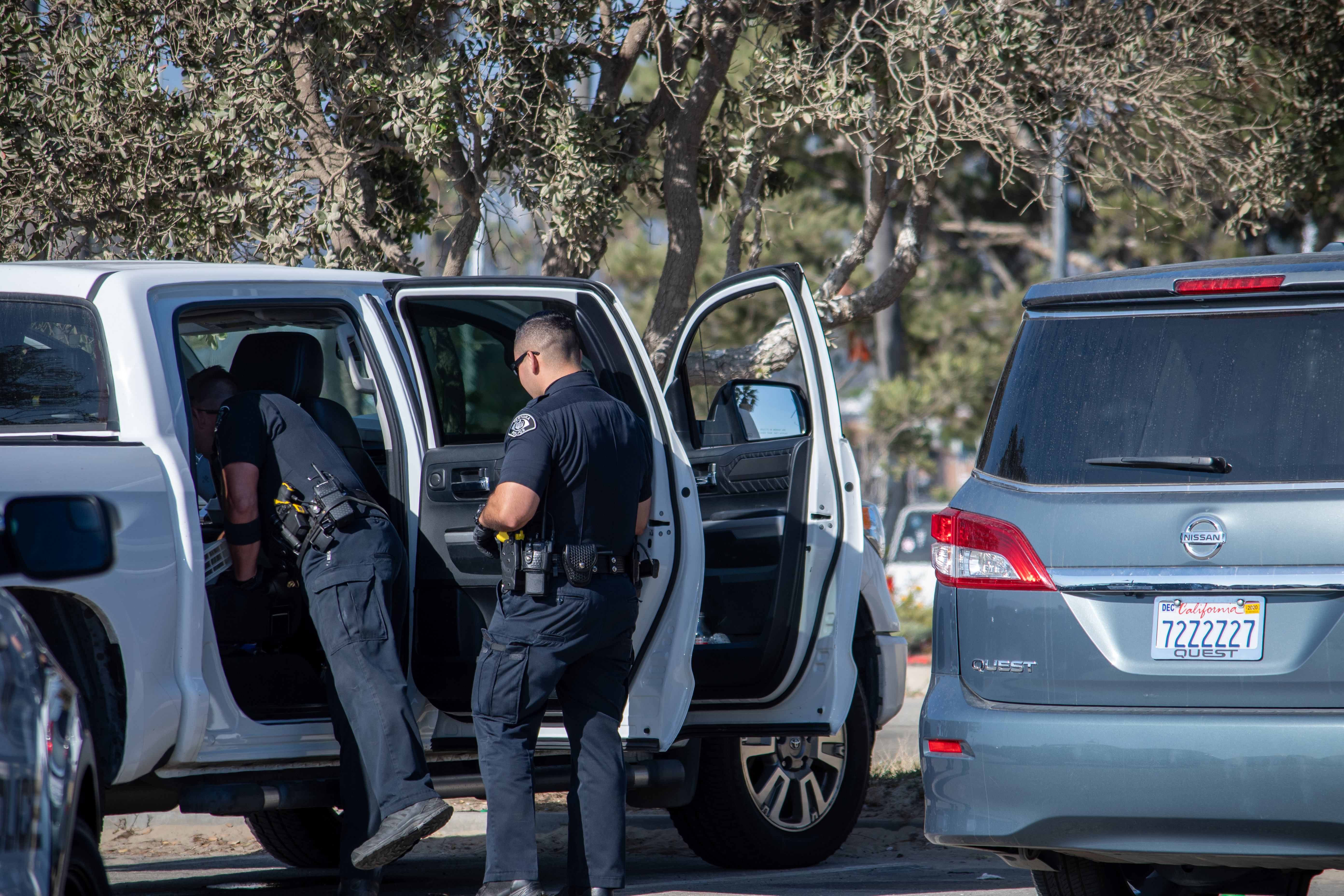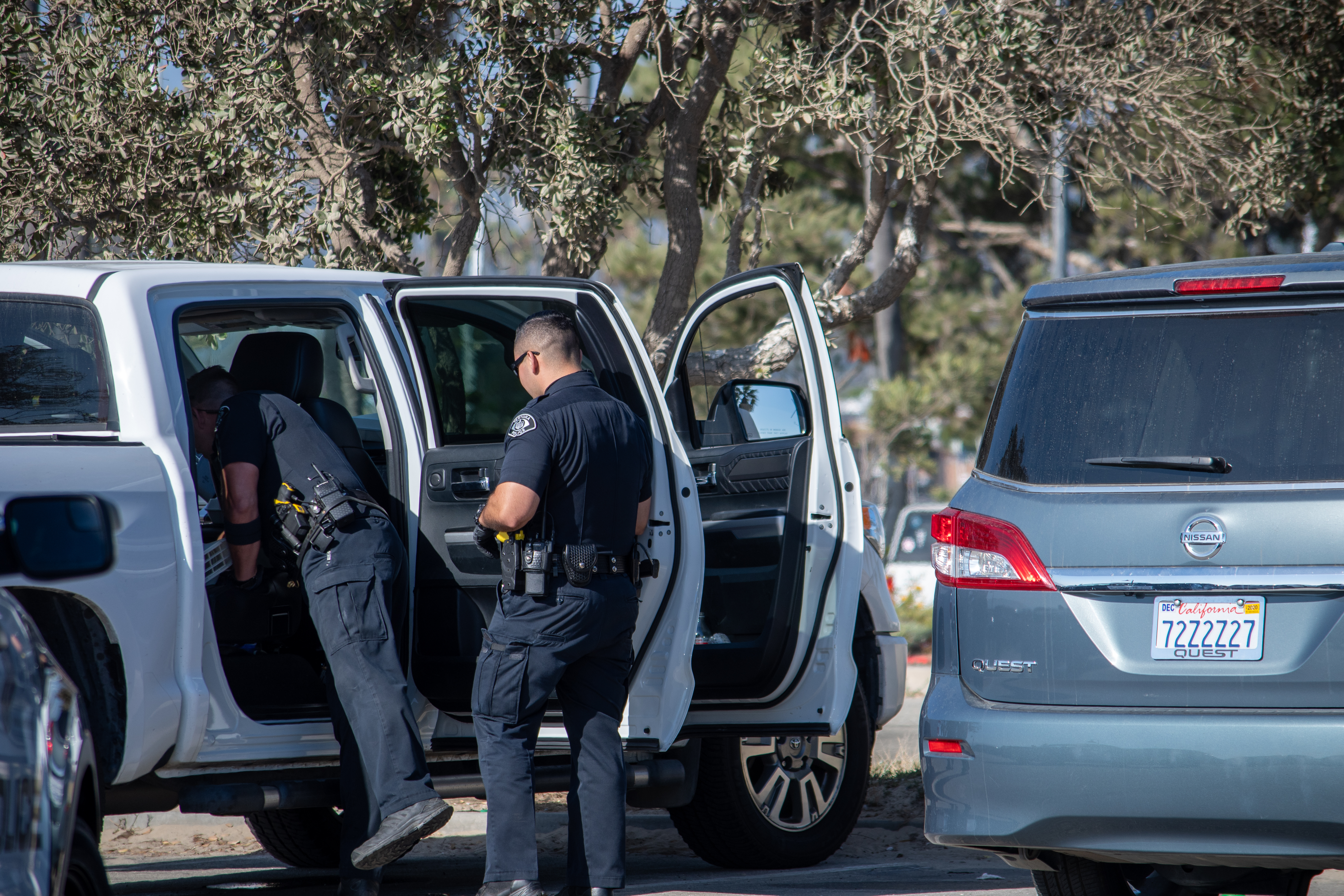
“No-refusal” weekends do not eliminate your right to refuse field sobriety tests or roadside breath tests. Police do not gain extra authority during these weekends—the only difference is that judges are on call to issue blood-draw warrants more quickly if police establish probable cause.
In Texas, these sobriety checkpoints are considered unconstitutional. The Texas Court of Criminal Appeals ruled in 1991 that DWI checkpoints violate the Fourth Amendment’s prohibition against unreasonable searches and seizures. However, law enforcement in the Lone Star State may establish other types of checkpoints, primarily to verify driver's licenses, and some will use these stops to detect signs of intoxication.
Last updated: February 2026
Key Takeaways
- “No-refusal” weekends do not mean you must submit to testing
- Police do not gain new powers during holidays, special events, or on Super Bowl Sunday
- You can refuse field sobriety tests and roadside breath tests
- Police may seek a search warrant for a blood draw
- Judges are simply more available to review warrant requests
- DWI checkpoints are not legal in Texas, even on holidays
What Is a “No-Refusal” Weekend?
A “no-refusal” weekend is a procedural strategy, not a change in the law. These are law-enforcement initiatives typically scheduled around high-traffic holidays such as:
- New Year’s
- Memorial Day
- July 4th
- Labor Day
- Major events (e.g., Super Bowl weekends)
The goal is deterrence. Law enforcement increases patrols and ensures judges are available to quickly review DWI blood-draw warrant requests.
“A ‘no-refusal’ weekend doesn’t mean no rights. It just means judges are available to approve warrants faster — not that police can skip the Constitution.”
Why “No-Refusal” Weekends Are a Myth
The phrase “no-refusal” suggests drivers lose their right to refuse testing. That is false.
A DWI stop on a no-refusal weekend is legally no different from any other DWI stop, with one exception:
If you refuse a voluntary blood draw, police may be able to obtain a search warrant faster than usual.
That’s it.
Police still must:
- Establish probable cause
- Convince a judge that a crime likely occurred
- Obtain a valid search warrant before forcing a blood draw
If a judge is unavailable, officers cannot lawfully take your blood without consent.
READ MORE: DWI vs. DUI
You Do Not Lose Your Legal Rights—No Matter What Police Say
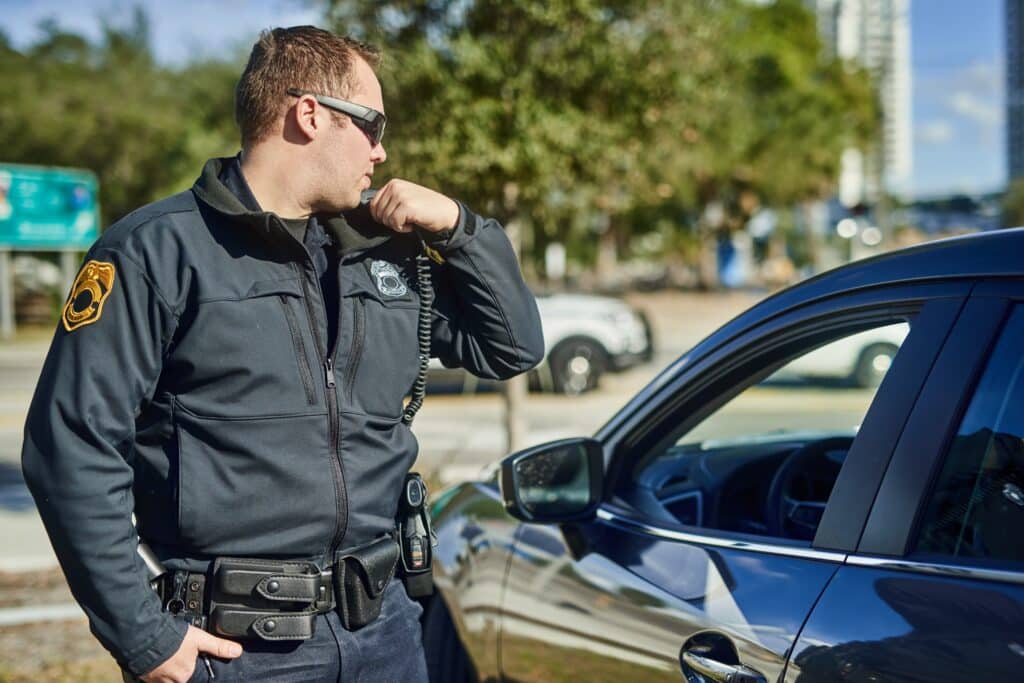
During a DWI stop, officers may claim that refusal is “not an option” or that testing is “mandatory.” That is incorrect.
You always retain the right to:
- Remain silent
- Refuse roadside testing
- Decline consent to a blood draw without a warrant
A simple, lawful response is:
“My attorney has advised me not to answer questions or participate in testing.”
READ MORE: Straight talk about DWI in Texas
Do You Have to Answer Questions During a DWI Stop?
No. You are only required to provide:
- Your name
- Address
- Date of birth
- Driver’s license
- Proof of insurance
You do not have to answer questions such as:
- “Where are you coming from?”
- “Have you had anything to drink?”
- “What were you doing tonight?”
These questions are designed to gather evidence—not to help you.
Can You Refuse Breathalyzer and Field Sobriety Tests?
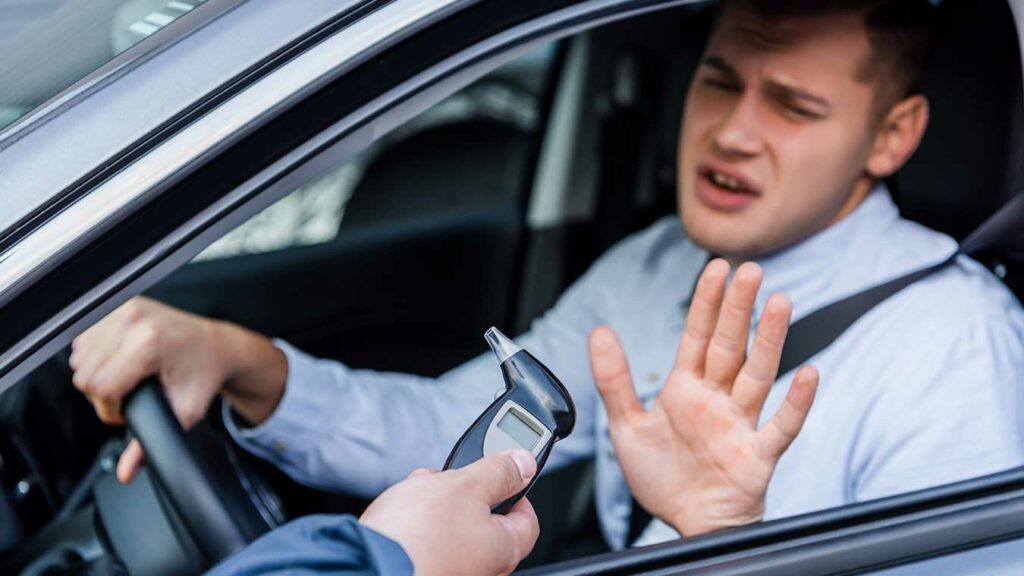
Yes.
Even on a no-refusal weekend, you may refuse:
- Field sobriety tests
- Portable (handheld) breath tests at the roadside
These tests are voluntary and often subjective.
After Arrest: What Changes?
Once arrested, officers may request:
- A breath sample, or
- A blood sample
If you refuse at that stage:
- You risk driver’s license suspension
- Police will likely seek a blood-draw warrant
Because judges are on standby, warrants are often obtained quickly. Once a valid warrant is issued, resisting a blood draw is not advisable.
Are DWI Checkpoints Legal in Texas?
Not really.
In Texas, sobriety checkpoints are considered unconstitutional. In a 1991 decision, the Texas Court of Criminal Appeals ruled that DWI checkpoints violate the Fourth Amendment’s prohibition against unreasonable searches and seizures.
As a result, law enforcement agencies in Texas are not permitted to conduct suspicionless DWI checkpoint stops, and drivers cannot be compelled to submit to drug or alcohol testing at such checkpoints. Texas courts continue to treat checkpoint stops as unconstitutional seizures under both state and federal constitutional standards.
Officers must still have:
- Reasonable suspicion, or
- A traffic violation
However, police departments sometimes set up additional checkpoints, primarily to verify driver's licenses or vehicle registration, and some use these stops to detect signs of intoxication. However, the same legal guidelines apply.
READ MORE: How to beat a DWI or DUI arrest
What to Say — and What Not to Say — During a DWI Stop
What you say during a traffic stop is important and can dramatically affect the outcome.
What to Say
These statements are short, clear, and legally protected. They do not escalate the encounter and protect your constitutional rights.
| Situation | What to Say |
|---|---|
| Officer begins questioning | “I choose to remain silent.” |
| Asked about drinking | “I’m not answering questions.” |
| Asked to complete field sobriety tests | “I respectfully decline.” |
| Asked to take a roadside breath test | “I do not consent to testing.” |
| Conversation continues | “My attorney advised me not to answer questions.” |
What Not to Say
These are examples of common mistakes that people make that end up hurting their case:
| What People Say | Why It’s a Problem |
|---|---|
| “I only had a couple of drinks.” | This is an admission and can establish probable cause |
| “I’m fine to drive.” | Officers decide impairment, not drivers |
| “I don’t mind doing the tests.” | Consent strengthens the prosecution’s case |
| “I have nothing to hide.” | Consent removes legal protections |
| “I didn’t know it was a no-refusal weekend.” | The weekend status is legally irrelevant |
Bottom Line: Know Your Rights Before You’re Pulled Over
“No-refusal” weekends rely on confusion and intimidation—not new laws. Understanding your rights in advance can prevent you from inadvertently strengthening the case against you.
- You can refuse roadside testing
- You can remain silent
- Police still need probable cause
- Warrants still require judicial approval
Knowing these facts can make a critical difference.
Frequently Asked Questions About “No-Refusal” Weekends
Are “no-refusal” weekends real in Texas?
Yes, but not in the way most people think. Texas “no-refusal” weekends do not eliminate your right to refuse testing. They simply mean judges are on call to review DWI blood-draw warrant requests more quickly.
Do I have to submit to a breathalyzer on a no-refusal weekend in Texas?
No. You can refuse roadside breathalyzer tests on a no-refusal weekend just as you can on any other day. These tests are voluntary and refusal does not give police automatic authority to force testing without a warrant.
Can police force a blood draw on a no-refusal weekend?
Only with a valid search warrant. If you refuse consent, police must establish probable cause and obtain judicial approval before taking a blood sample—even on a no-refusal weekend.
Do I have to do field sobriety tests during a no-refusal weekend?
No. Field sobriety tests are not mandatory in Texas. You may lawfully refuse them regardless of whether it is a holiday, special event, or no-refusal weekend.
What is the real difference during a no-refusal weekend?
The only difference is speed. Judges are typically available to review warrant requests immediately, which means police may obtain a blood-draw warrant faster than on a normal weekend.
Can police lie and say I must comply on a no-refusal weekend?
Police may imply that refusal is not allowed, but that is incorrect. Your constitutional rights do not change on a no-refusal weekend, and consent is still voluntary.
Are DWI checkpoints legal in Texas during no-refusal weekends?
No. Texas does not allow mandatory sobriety checkpoints, even during no-refusal weekends or holidays. Officers must have reasonable suspicion or observe a traffic violation.
Should I refuse testing on a no-refusal weekend?
That depends on the situation, but refusal preserves your constitutional protections. Once police obtain a valid warrant, resisting a blood draw is not recommended.
Sources: Michael & Associates research, Texas Department of Public Safety, Texas Constitution, National Highway Traffic Safety Administration
Note: This article was written by Ben Michael, Managing Partner of Michael & Associates (Texas Bar Card #24088055). It was originally published on June 20, 2024. The original article and updates were reviewed for accuracy by experienced Texas criminal defense attorneys.