A manslaughter charge in Austin may result from a fatal accident, a fight, an accidental shooting (e.g., while cleaning a gun), or some other incident that results in the death of a human being. Even if you never intended to hurt anyone, a manslaughter conviction in Texas could land you in prison for up to 20 years.
Under Texas law, "manslaughter" is defined as recklessly killing another person. It does not matter if you intended to kill them. Prosecutors must prove that you were aware of a substantial and unjustifiable risk that your actions could cause someone's death and consciously disregarded that risk.
The events leading up to the death are important:
- Did you know there was a real danger?
- What did witnesses say they saw?
- Is the evidence from the scene consistent with the police report?
- Can the prosecutor demonstrate that your actions directly led to the death of the victim?
An experienced criminal defense attorney can start collecting evidence, interviewing witnesses, examining forensic evidence, and determining whether the facts support the allegations made against you.
Austin Manslaughter Defense Lawyer
Michael & Associates Criminal Defense Attorneys represents people charged with manslaughter, murder, and other serious felonies throughout Austin and Travis County.
Michael & Associates' Austin office has lawyers who have worked on serious homicide cases on both the prosecution and defense sides.
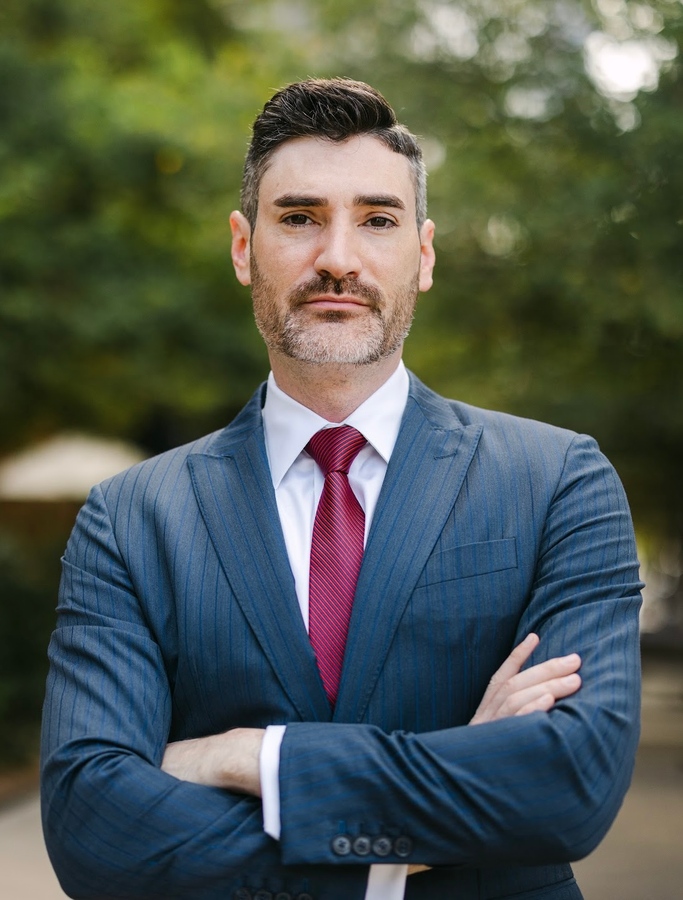
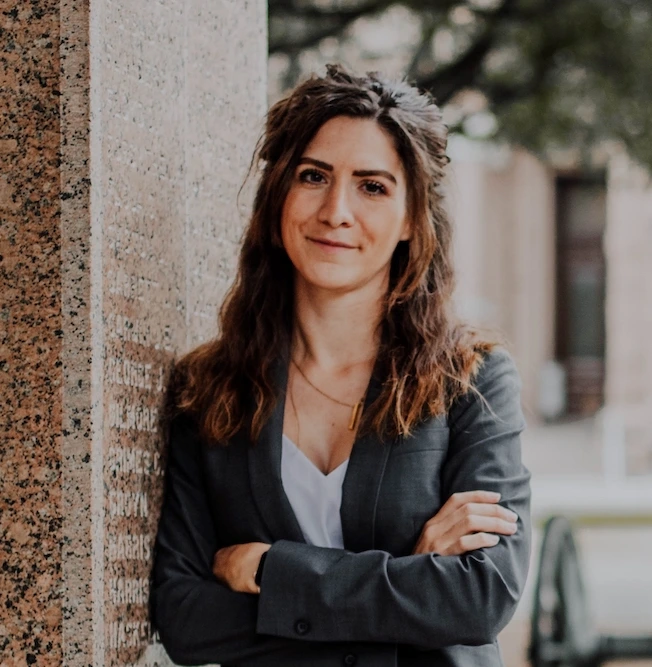
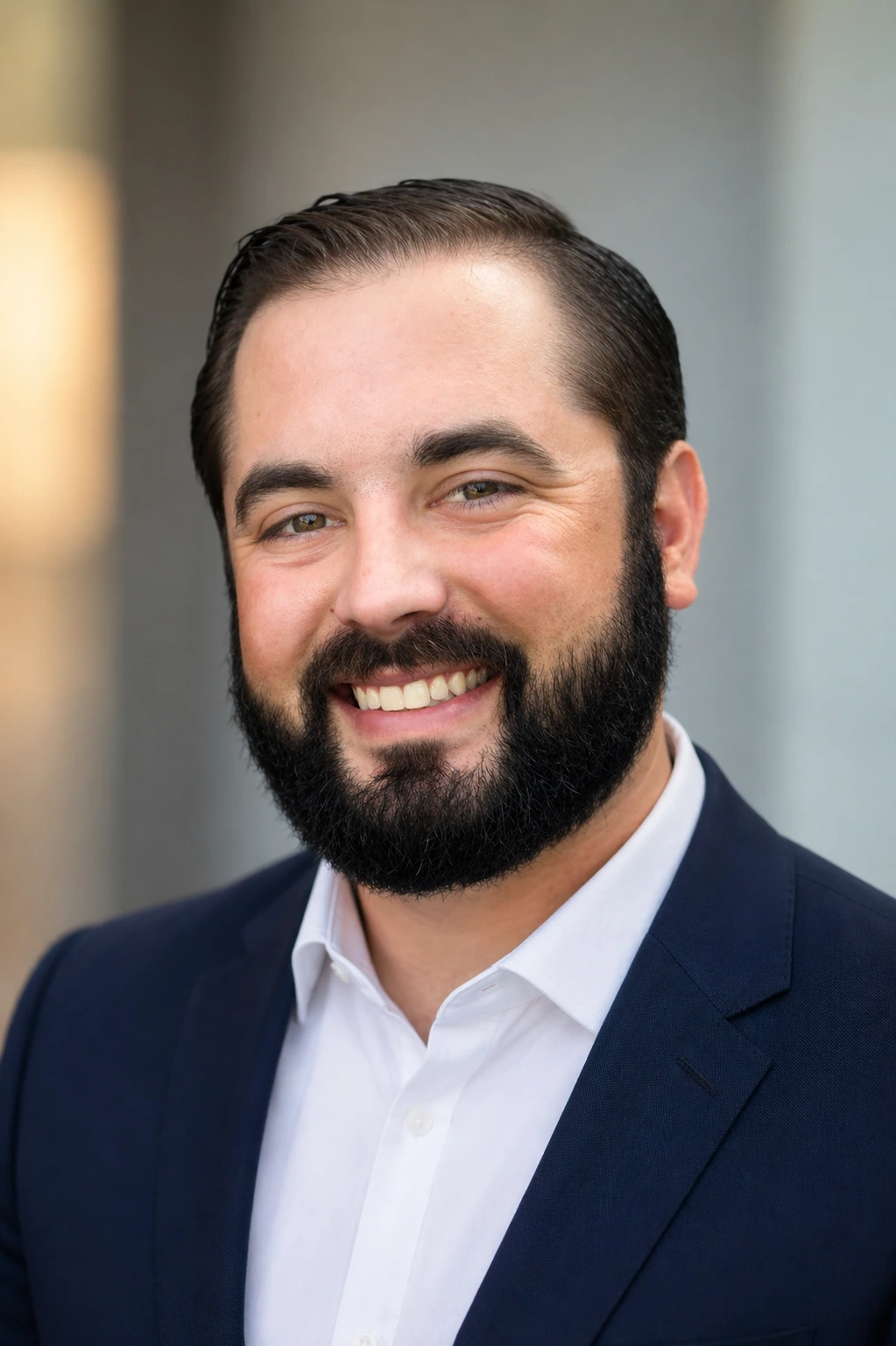
Board-certified criminal law specialist Dan Dworin has practiced criminal law for nearly 30 years and represented clients on charges ranging from DWI to murder. Former Felony Prosecutor Joshua Griffin spent eight years prosecuting serious felonies such as murder, obtaining over 30 felony jury convictions. Austin Managing Attorney James Fletcher is an ACS-CHAL Forensic Lawyer-Scientist with specialized forensic science training, especially useful when a manslaughter case involves toxicology reports, laboratory tests, or disputed forensic evidence.
If you’re currently under investigation for manslaughter, don’t wait until charges are filed against you to hire a defense attorney. Our Austin team can begin examining the circumstances surrounding the death and preparing your defense while the investigation is still underway.
What is Manslaughter Under Texas Law?
Texas Penal Code § 19.04 states that a person commits manslaughter if he/she recklessly causes the death of another person. Manslaughter is a second-degree felony.
One of the main issues in many manslaughter cases is recklessness. According to Texas Penal Code § 6.03, a person acts recklessly if he/she is aware of a substantial and unjustifiable risk that a particular result will occur or a circumstance exists and consciously disregards that risk.
A tragic event alone does not constitute manslaughter. Prosecutors must prove both the required mental state (recklessness) and causation. Manslaughter also differs from murder and criminally negligent homicide. Each offense requires prosecutors to prove a distinct culpable mental state.
What Situations Can Lead to a Manslaughter Charge in Austin?
Cases brought by Travis County prosecutors may stem from allegations regarding:
- Vehicle accidents resulting in fatalities caused by reckless driving
- Fatal gunshot wounds resulting from reckless use of a firearm
- Physical altercations that unexpectedly result in fatal injuries
- Reckless handling of dangerous equipment or machinery that causes someone's death
If the death resulted from an alcohol- or drug-related driving accident, prosecutors may instead pursue an intoxication manslaughter charge under Texas Penal Code § 49.08. This offense has different elements than manslaughter under § 19.04.
Investigators and prosecutors may attempt to label an action as reckless, while your defense attorney may argue that the evidence demonstrates an accident, negligence, self-defense, unforeseeable event, or other explanation.
What are the Penalties for Manslaughter in Texas?
Manslaughter is ordinarily a second-degree felony. However, Texas law allows a first-degree felony charge when a death results from certain conduct involving critical infrastructure under Penal Code § 28.09.
A conviction for manslaughter carries the following potential penalties:
- 2 to 20 years in prison
- A fine of up to $10,000
And there are other longer-term consequences to consider. A felony conviction can impact your employment opportunities, professional licenses, gun ownership rights, housing eligibility, immigration status for non-U.S. citizens, and other aspects of your life.
Additionally, a fatal incident can also lead to a separate civil wrongful-death lawsuit.
Depending on the facts and an individual's prior criminal record, additional sentencing guidelines or enhancements may apply.
Defenses to Manslaughter Charges in Travis County
Prosecutors must prove that you acted recklessly, not simply that someone died because of your actions. Your attorney must look closely at what happened before the death and whether you understood the risks involved.
Several defenses may apply:
You Didn't Act Recklessly
Example: You throw a punch during a fight outside an Austin bar, and the other person falls, hits their head, and dies.
A single punch that results in someone's death doesn't automatically establish manslaughter. Texas law requires proof that the accused consciously disregarded a substantial and unjustifiable risk. Whether the punch was thrown during a mutual fight, whether the other person was particularly vulnerable, and what the accused knew about the danger may all become important. Depending on the circumstances, the evidence could support manslaughter, an assault charge, or another criminal charge.
The Death was Accidental
Example: A gun unexpectedly discharged while you were handling it.
Was the firearm defective? Did the person believe it was unloaded? Were they handling it in a way that created an obvious danger? An accidental discharge doesn't automatically establish manslaughter, but it doesn't rule out criminal charges either. The distinction between recklessness and criminal negligence may determine which charge, if any, the evidence supports.
You Acted in Self-Defense or Defense of Another Person
Example: You're attacked along Sixth Street (or you see someone else under attack) and fight back, causing the attacker's death.
Texas law allows people to defend themselves or others against unlawful force, and deadly force may be justified in certain circumstances. However, being attacked doesn't automatically justify using deadly force. Your attorney would examine who initiated the confrontation, whether the threat was immediate, whether the level of force was legally justified, and what witnesses or surveillance footage show.
Your Actions Didn't Cause the Death
Example: Someone dies hours or days after you have an altercation.
A person may die hours or days after an altercation, raising questions about what actually caused the fatal injury. Medical records, autopsy findings, preexisting conditions, and other events may become important. Texas law allows criminal responsibility even when multiple factors contribute to a death, so the issue is whether prosecutors can establish the legally required connection between your actions and the death.
The Forensic Evidence is Questionable
Example: A person is fatally shot during an argument, and a witness claims you deliberately aimed the gun at the victim. However, bullet trajectory analysis contradicts the witness's description of the shooting, while other physical evidence suggests the gun discharged during a struggle.
A medical examiner's findings may establish how someone died without necessarily proving who was responsible or whether the death resulted from reckless conduct. In a shooting, for example, bullet trajectories, firearm testing, and blood evidence may contradict a witness's description of where people were standing. Your attorney can examine whether the scientific findings support the prosecution's account.
Witness Accounts Don't Agree
Example: Several people witness a bar fight, and one person says you started the confrontation, while another says the deceased threw the first punch.
Police may initially rely on one witness account, but surveillance footage, recorded interviews, and physical evidence could tell a different story. Those differences may become important when determining what happened and whether the accused acted recklessly.
How Our Austin Manslaughter Lawyers Investigate a Case
Police reports don't always tell the whole story and may leave out important details about how someone died. Our Austin manslaughter defense attorneys can independently review the evidence, question witness accounts, and consult forensic experts when medical or scientific findings are disputed.
Our attorneys may review:
- Police reports, body-camera footage, and recorded interviews
- Photographs and video from the scene
- Autopsy and medical examiner findings
- Firearms or ballistics evidence
- Toxicology or laboratory testing
- Vehicle data and crash reconstruction evidence
- Surveillance footage and digital evidence
- Whether searches, seizures, or statements complied with constitutional requirements
Starting our investigation early can make a real difference in your case outcome. Surveillance footage may be deleted, physical evidence can deteriorate, and witnesses may forget important details. Police may also want to question you before you understand the seriousness of the investigation or how your statements could be used against you.
Where Are Manslaughter Cases Prosecuted in Travis County?
Manslaughter is a felony in Texas, so cases filed in Travis County are prosecuted in the county's criminal district courts rather than its County Courts at Law.
The criminal district courts are located at the Blackwell-Thurman Criminal Justice Center, 509 W. 11th Street in downtown Austin.
A manslaughter case may involve a grand jury investigation, indictment, pretrial hearings, negotiations with prosecutors, and potentially a jury trial. Each court has its own judge, docket, and procedures. An Austin defense attorney familiar with the Travis County courts can help you understand what to expect as your case progresses.
What Must Prosecutors Prove in a Texas Manslaughter Case?
Under Texas Penal Code § 19.04, prosecutors must prove two things beyond a reasonable doubt:
- You caused another person's death.
- You acted recklessly in causing that death.
Recklessness is often the central issue. Prosecutors must show you were aware of a substantial and unjustifiable risk and knowingly disregarded it.
The fact that someone died, or that you could have made a different decision, isn't enough by itself to establish manslaughter.
Should I Talk to Austin Police if I’m Being Investigated for Manslaughter?
If Austin police or Travis County investigators want to question you about someone's death, speak with a criminal defense attorney before agreeing to an interview.
You may think that you can clear up a misunderstanding by explaining what happened. But investigators may already have witness statements, recordings, or other evidence you haven't seen. Even an innocent explanation could be interpreted differently once prosecutors review it.
An attorney can find out what investigators want, communicate with law enforcement on your behalf, and advise you about your rights before you make statements that could affect your case.
Resources
- Texas Penal Code § 19.04 Manslaughter: Defines the offense of manslaughter and classifies it as a second-degree felony.
- Texas Penal Code § 6.03 Culpable Mental States: Defines intentional, knowing, reckless, and criminally negligent conduct.
- Texas Penal Code § 12.33 Second-Degree Felony Punishment: Establishes the 2-to-20-year imprisonment range and maximum $10,000 fine.
- Texas Penal Code § 49.08 Intoxication Manslaughter: Defines the separate offense of causing a death while operating certain vehicles or equipment while intoxicated.
Talk to an Experienced Manslaughter Defense Lawyer in Austin
A manslaughter allegation can put years of your life at stake, and the investigation may begin long before a case reaches a Travis County courtroom.
Michael & Associates represents people facing serious felony and homicide allegations throughout Austin, Travis County, and surrounding communities, including Pflugerville, Lakeway, Bee Cave, West Lake Hills, Rollingwood, Sunset Valley, Manor, Round Rock, and Cedar Park.
Michael & Associates was also recognized as "Best Law Firm" in the 2026 Best of ATX Awards, a readers' choice competition voted on by readers of the Austin American-Statesman and Austin Monthly.
Evidence can disappear quickly after a fatal incident. Contact Michael & Associates for a free case review before important surveillance footage, witness accounts, or other evidence becomes unavailable.