Short answer: A first DUI in San Diego can result in jail time, thousands of dollars in fines and assessments, a driver's license suspension, DUI school, probation, and an ignition interlock device (IID). The exact penalties depend on factors such as your blood alcohol concentration (BAC), whether anyone was injured, and your prior driving history.
Even if this is your first arrest, California prosecutors take DUI charges seriously. A conviction can affect your driver's license, employment opportunities, professional licenses, insurance rates, and criminal record. Early intervention by an experienced DUI attorney may help reduce or avoid many of these consequences.
Experienced San Diego DUI Defense Lawyers
Many first-time DUI cases involve legal and scientific issues that are not immediately apparent. Michael & Associates Criminal Defense Attorneys evaluates every aspect of the prosecution's case, including the legality of the traffic stop, California DMV records, body-worn camera footage, dispatch communications, NHTSA field sobriety testing procedures, breath and blood testing records, forensic toxicology reports, laboratory documentation, and constitutional issues.
Our experienced San Diego DUI attorneys will fight to protect your license and future. Many of our Senior Trial Attorneys have earned or are pursuing the ACS-CHAL Forensic Lawyer-Scientist designation and have received advanced education in forensic toxicology, analytical chemistry, gas chromatography, blood alcohol analysis, and drug chemistry, allowing them to critically evaluate the scientific evidence commonly presented in California DUI prosecutions.
Call now to set up a free case review.
Criminal Penalties for a First DUI in California
Most first DUI charges are filed under California Vehicle Code 23152(a) (driving while impaired) or Vehicle Code 23152(b) (driving with a BAC of 0.08% or higher). Penalties may include:
|
Penalty |
Typical First-Offense DUI |
|
Jail |
Up to 6 months in county jail (many first offenders avoid significant jail time) |
|
Probation |
Generally 3 to 5 years of informal probation |
|
Base Fine |
$390 to $1,000 (court assessments often increase total cost substantially) |
|
DUI School |
Usually a 3-, 6-, or 9-month alcohol education program |
|
Driver's License |
Suspension or restriction, depending on DMV action and court orders |
|
Ignition Interlock Device |
May be required to continue driving legally |
|
Criminal Record |
Misdemeanor conviction unless enhanced circumstances exist |
The court has discretion when imposing many of these penalties, and outcomes often depend on the facts of the case and the quality of the defense presented.
Understanding California DUI Laws
California DUI cases involve both criminal penalties and administrative driver's license consequences.
Under California's implied consent law, anyone who lawfully drives in the state agrees to submit to a breath or blood test after a lawful DUI arrest. Refusing a required chemical test can trigger an automatic one-year driver's license suspension through the California DMV and, if you are convicted of DUI, a mandatory minimum of 48 hours in jail.
California also requires most drivers convicted of DUI to install an ignition interlock device (IID) to continue driving with unrestricted privileges. In addition, after a DUI arrest, law enforcement typically confiscates your driver's license and issues a 30-day temporary permit.
Most people don’t realize they have only 10 days from the date of their arrest to request a California DMV Administrative Per Se (APS) hearing to challenge their license suspension. Missing that deadline usually results in an automatic suspension once the temporary permit expires.
Your Driver's License Is at Risk Immediately
Even if your criminal case will be heard in a San Diego County Superior Court, your driver's license suspension is handled separately through the California DMV Administrative Per Se (APS) process.
A DUI creates two separate cases:
- Your criminal DUI case in court.
- A separate California DMV Administrative Per Se (APS) license suspension proceeding.
After most DUI arrests, you have only 10 days to request a DMV APS hearing. Missing that deadline can result in your driver's license being suspended before your criminal case is resolved.
The APS hearing is often one of the earliest opportunities to challenge the evidence against you while preserving your driving privileges.
Michael & Associates represents clients charged with DUI throughout San Diego County, including cases prosecuted in the San Diego County Superior Court. Our attorneys defend clients arrested by the San Diego Police Department (SDPD), San Diego County Sheriff's Office, the California Highway Patrol (CHP), and other local law enforcement agencies. Because local procedures, prosecutors, and courtroom practices can vary, having an attorney familiar with DUI cases in San Diego can be an important advantage.
Factors That Can Increase First DUI Penalties
Not every first DUI receives the same sentence. Courts often consider aggravating circumstances such as:
- Blood alcohol concentration (BAC) of 0.15% or higher
- Refusing a chemical test
- Excessive speeding or reckless driving
- Having a child passenger
- Causing a collision
- Injuring another person
- Property damage
- Multiple traffic violations during the incident
These factors may increase jail exposure, probation conditions, DUI education requirements, or other penalties.
How DUI Evidence Is Collected
California DUI cases, including those investigated by the San Diego Police Department, San Diego County Sheriff's Office, or the California Highway Patrol, are often built from multiple types of evidence gathered throughout the investigation.
Prosecutors do not rely solely on a breath or blood test. Instead, they typically present a combination of officer observations, field sobriety testing, chemical test results, and other evidence to argue that a driver was impaired or had a blood alcohol concentration (BAC) of 0.08% or higher.
A typical California DUI investigation may include:
- The traffic stop: The officer must have reasonable suspicion to stop your vehicle, such as an observed traffic violation, unsafe driving, or a lawful DUI checkpoint.
- Officer observations: Law enforcement may document signs of possible impairment, including the odor of alcohol, bloodshot or watery eyes, slurred speech, admissions of drinking, or difficulty following instructions.
- Standardized Field Sobriety Tests (SFSTs): Officers may administer NHTSA-developed field sobriety tests as part of a DUI investigation. The administration and interpretation of these tests are discussed below.
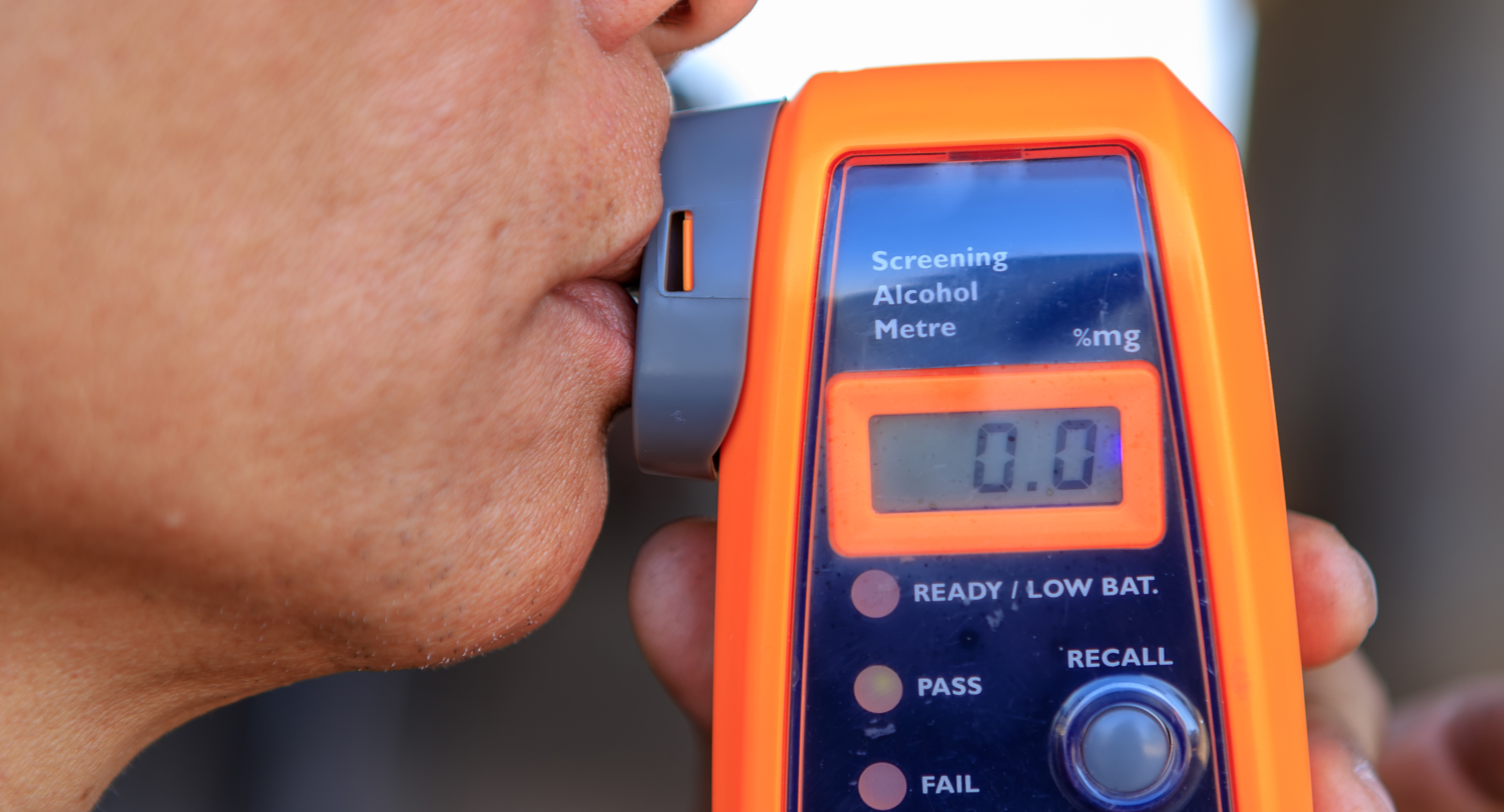
- Preliminary Alcohol Screening (PAS) test: Many drivers are asked to provide a roadside breath sample using a handheld PAS device before arrest. The role and legal consequences of refusing a PAS test vary depending on the driver's age, license status, and the circumstances of the stop.
- Chemical breath or blood testing: California's implied consent law generally requires drivers to submit to a breath or blood test after a lawful DUI arrest. California chemical breath and blood testing procedures are governed by statutes, regulations, and forensic laboratory protocols that establish standards for sample collection, analysis, and quality assurance. These test results often become the prosecution's primary scientific evidence.
- California DMV Administrative Per Se (APS) proceeding: In addition to the criminal court case, the California DMV reviews the arrest through a separate APS process to determine whether your driver's license should be suspended.
Every stage of the investigation presents opportunities to evaluate the strength of the evidence. An experienced DUI defense attorney can review whether the traffic stop was lawful, whether NHTSA field sobriety testing procedures were followed correctly, whether chemical testing complied with accepted forensic standards, and whether constitutional or evidentiary issues may affect the admissibility or reliability of the prosecution's case.
DUI Investigations Often Rely on Standardized Field Sobriety Tests
Many California DUI investigations begin with roadside observations and Standardized Field Sobriety Tests (SFSTs) developed by the National Highway Traffic Safety Administration (NHTSA). These tests, which commonly include the Horizontal Gaze Nystagmus (HGN), Walk-and-Turn, and One-Leg Stand, are designed to help officers assess possible impairment.
However, SFST performance can also be affected by medical conditions, injuries, age, fatigue, anxiety, uneven pavement, weather, footwear, and other non-alcohol-related factors. An experienced DUI attorney can evaluate whether the tests were administered and interpreted in accordance with NHTSA guidelines.
Will I Go to Jail for a First DUI?
Not necessarily. Many first-time DUI offenders in San Diego do not serve significant jail time, particularly when:
- Nobody was injured.
- The DUI involved no accident.
- The BAC was not extremely high.
- The driver has little or no criminal history.
Many first-time DUI cases in San Diego County are resolved without lengthy jail sentences, particularly when no one was injured and there are no significant aggravating factors. However, every case is unique, and outcomes depend on the evidence, the circumstances of the arrest, and the approach taken by the prosecutor and the court.
Depending on the circumstances, attorneys may negotiate alternatives that reduce or eliminate jail exposure. Every case is different, and outcomes depend on the facts, the available evidence, and the defense strategy.
Related: Will I go to jail for a first DUI in San Diego?
What Role Does Chemical Testing Play in a DUI?
When prosecutors rely on breath or blood test results, they must establish that the testing procedures were scientifically reliable. Breath testing instruments require proper maintenance, calibration, and operation, while blood samples must be collected, preserved, transported, and analyzed in accordance with accepted forensic protocols.
Defense attorneys frequently examine laboratory records, instrument maintenance logs, chain-of-custody documentation, and quality-assurance procedures to determine whether the reported BAC is accurate.
Gas Chromatography Plays a Central Role in Blood Alcohol Testing
Most California crime laboratories analyze DUI blood samples using gas chromatography, a sophisticated analytical technique that separates and measures the concentration of alcohol and other substances in a blood sample.
Although gas chromatography is widely accepted within the scientific community, the accuracy of any test depends on proper laboratory procedures, instrument calibration, quality control measures, and competent interpretation of the results. Errors in sample handling or laboratory analysis can affect the reliability of the evidence presented in court.
Forensic Toxicology Can Reveal Weaknesses in the Evidence
Modern DUI cases often involve complex issues of forensic toxicology, particularly when blood testing is used. Toxicologists study how alcohol and drugs are absorbed, distributed, metabolized, and eliminated by the human body. Individual physiology, medications, medical conditions, food consumption, and the timing of alcohol consumption can all influence test results.
Careful review of the scientific evidence may reveal alternative explanations for an elevated BAC or apparent signs of impairment.
Every DUI Case Is Different
No two California DUI cases are exactly alike. The potential penalties, available defenses, and likelihood of a reduction or dismissal depend on the specific facts, including the reason for the traffic stop, the officer's observations, the results of any field sobriety or chemical tests, the driver's prior history, and the quality of the evidence. An experienced DUI attorney can evaluate these factors and explain how they may affect the outcome of your case.
How Much Does a First DUI Cost?
The financial consequences extend well beyond the court fine.
A first DUI can involve:
- Court fines and assessments
- DUI education program costs
- Ignition interlock device installation and monitoring
- Increased insurance premiums
- Vehicle towing and storage
- Lost wages from missed work
- Attorney's fees
For many drivers, the total financial impact can reach several thousand dollars.
Can a First DUI Be Reduced or Dismissed?
Yes, in some cases.
A first DUI does not automatically result in a conviction. Prosecutors must still prove every element of the offense beyond a reasonable doubt.
Depending on the evidence, defenses may involve:
- Illegal traffic stops
- Lack of probable cause
- Improper field sobriety testing
- Breath test calibration issues
- Chain of custody problems
- Rising blood alcohol defenses
- Medical conditions affecting testing
- Constitutional violations
- Blood testing errors
In some cases, prosecutors also rely on retrograde extrapolation to estimate a driver's blood alcohol concentration at an earlier point in time. Because these calculations depend on assumptions about alcohol absorption, elimination rates, body weight, food consumption, drinking patterns, and other individualized factors, their accuracy may be challenged depending on the evidence.
Because alcohol absorption and elimination rates vary from person to person, estimating an individual's blood alcohol concentration at the time of driving often requires individualized scientific assumptions.
Depending on the facts, defense attorneys may also challenge whether officers complied with NHTSA field sobriety testing guidelines, whether chemical testing met accepted forensic standards, whether laboratory procedures were properly followed, and whether California DMV records support the prosecution's allegations.
Some cases result in reduced charges, while others are dismissed or resolved without a DUI conviction.
Why Hire Michael & Associates?
A first DUI may seem straightforward, but these cases frequently involve complex legal and scientific issues.
Michael & Associates Criminal Defense Attorneys prepare every San Diego DUI case with trial in mind. Our attorneys evaluate the officer's investigation, California DMV proceedings, chemical testing procedures, forensic evidence, constitutional issues, and potential trial defenses from the beginning of the case. We represent clients throughout San Diego County and understand the legal, scientific, and procedural issues that commonly arise in local DUI prosecutions.
Clients work directly with a Senior Trial Attorney who develops a defense strategy tailored to the facts of their case and handles their case from start to resolution. That attorney is supported by a collaborative team of experienced criminal defense lawyers.
Frequently Asked Questions
What is the penalty for a first DUI in San Diego?
A first DUI may result in probation, fines, DUI school, driver's license consequences, and possible jail time. The exact penalties depend on the facts of the case, including BAC level, whether anyone was injured, and any aggravating factors.
How long does a first DUI stay on your record?
A first DUI generally remains a prior offense for 10 years under California law, meaning another DUI during that period can result in enhanced penalties. A DUI conviction also becomes part of your criminal record unless you later obtain available post-conviction relief, and the California DMV maintains a separate driving record. In some cases, individuals who successfully complete probation may be eligible to seek a dismissal of the conviction under California law, although that does not erase the arrest or eliminate every consequence.
Can I keep my driver's license after a first DUI?
Possibly. Many drivers can continue driving if they timely request a DMV APS hearing and satisfy applicable California DMV requirements. Because the deadline is generally only 10 days after arrest, acting quickly is important.
Will I lose my job because of a first DUI?
It depends on your occupation. Commercial drivers, healthcare professionals, military personnel, government employees, and individuals holding professional licenses may face additional employment consequences beyond the criminal penalties.
Can a first DUI be dismissed?
Yes. A DUI may be dismissed if prosecutors cannot prove the case beyond a reasonable doubt or if legal or constitutional issues undermine the evidence. Every case should be evaluated individually.
Do I need a lawyer for a first DUI?
While you are not legally required to hire an attorney, DUI cases often involve scientific evidence, DMV proceedings, and legal issues that can significantly affect the outcome. An experienced DUI lawyer can identify defenses that may not be apparent to someone unfamiliar with California DUI law.
Which court handles DUI cases in San Diego?
Most misdemeanor and felony DUI cases are prosecuted in the San Diego County Superior Court. The courthouse where your case is assigned depends on where the alleged offense occurred and other case-specific factors. An experienced San Diego DUI lawyer can explain what to expect in your assigned court and represent you throughout both the criminal case and the separate California DMV APS proceeding.
The Bottom Line
A first DUI in San Diego can have consequences that extend well beyond a single court appearance. In addition to potential criminal penalties, you may face driver's license suspension, higher insurance costs, employment issues, and other long-term consequences. However, an arrest does not automatically result in a conviction, and many first-time DUI cases present opportunities to challenge the evidence or negotiate a more favorable outcome.
If you have been arrested for a first DUI in San Diego, contact Michael & Associates Criminal Defense Attorneys for a free consultation. Our Senior Trial Attorneys can evaluate your case, explain your options, protect your driving privileges, and develop a defense strategy designed to pursue the best possible outcome.