Short answer: A DUI arrest in San Diego begins two separate legal cases: a criminal prosecution in the San Diego County Superior Court and a California DMV Administrative Per Se (APS) driver's license suspension proceeding. Within days of your arrest, you may need to request a DMV hearing, prepare for your arraignment, preserve important evidence, and begin building your defense. Early legal representation can help protect your driving privileges and identify opportunities to challenge the prosecution's evidence.
After a DUI arrest in San Diego, the criminal justice process begins immediately. You may have only 10 days to request a California DMV Administrative Per Se (APS) hearing to challenge your driver's license suspension, while prosecutors begin reviewing the evidence that could be used against you in court. Understanding what happens next can help you protect your driving privileges, preserve important evidence, and make informed decisions from the very beginning of your case.
But a DUI arrest doesn’t mean a conviction is inevitable. Prosecutors must still prove every element of the offense beyond a reasonable doubt, and every stage of the case presents opportunities to evaluate and challenge the evidence. At Michael & Associates Criminal Defense Attorneys, our experienced San Diego DUI attorneys evaluate every aspect of the prosecution's case, from the legality of the traffic stop to forensic chemical testing, while guiding clients through each stage of the DUI process.
Speak with an Experienced San Diego DUI Lawyer Now
If you were arrested for DUI in San Diego, do not wait until your first court date to take action. In most cases, you have only 10 days to request a California DMV Administrative Per Se (APS) hearing. Michael & Associates Criminal Defense Attorneys will request the hearing on your behalf, begin evaluating the evidence, and work to protect both your driving privileges and your defense from the earliest stages of your case.
Contact us now for a free case review.
Timeline: What Happens after a DUI Arrest in San Diego
While the immediate aftermath of a DUI arrest moves quickly within the first 24 hours, the process slows significantly after the APS deadline has passed. A standard misdemeanor DUI with no aggravating factors will typically take several months to be fully resolved.
|
Time |
What Happens |
|
Arrest Day |
Booking and chemical testing |
|
Within 10 Days |
Request APS hearing |
|
30 Days |
Temporary license expires |
|
Several Weeks |
Arraignment |
|
Following Months |
Discovery, motions, negotiations |
|
Trial |
If necessary |
What Should I Do Immediately After a DUI Arrest?
The steps you take immediately after an arrest can have a long-term impact on your defense. Here are five things to keep in mind:
- Do not discuss your case with the police.
- Request your DMV APS hearing within 10 days.
- Preserve receipts, photos, and communications.
- Write down everything you remember.
- Contact a DUI lawyer as soon as possible.
The First 24 Hours of a DUI Case
The first day after a DUI arrest often sets the course for the rest of your case. Whether you were stopped by the San Diego Police Department (SDPD), the California Highway Patrol (CHP), or the San Diego County Sheriff's Office, law enforcement officers generally follow a similar process from the initial traffic stop through booking and release. Understanding what typically happens during these first 24 hours can help you prepare for the legal process ahead.
Traffic Stop and DUI Investigation
Most DUI cases begin when an officer observes a traffic violation, suspected impaired driving, or a vehicle passing through a lawful DUI checkpoint. During the stop, the officer will request your driver's license, registration, and proof of insurance while observing your speech, coordination, eyes, and any odor of alcohol or drugs.
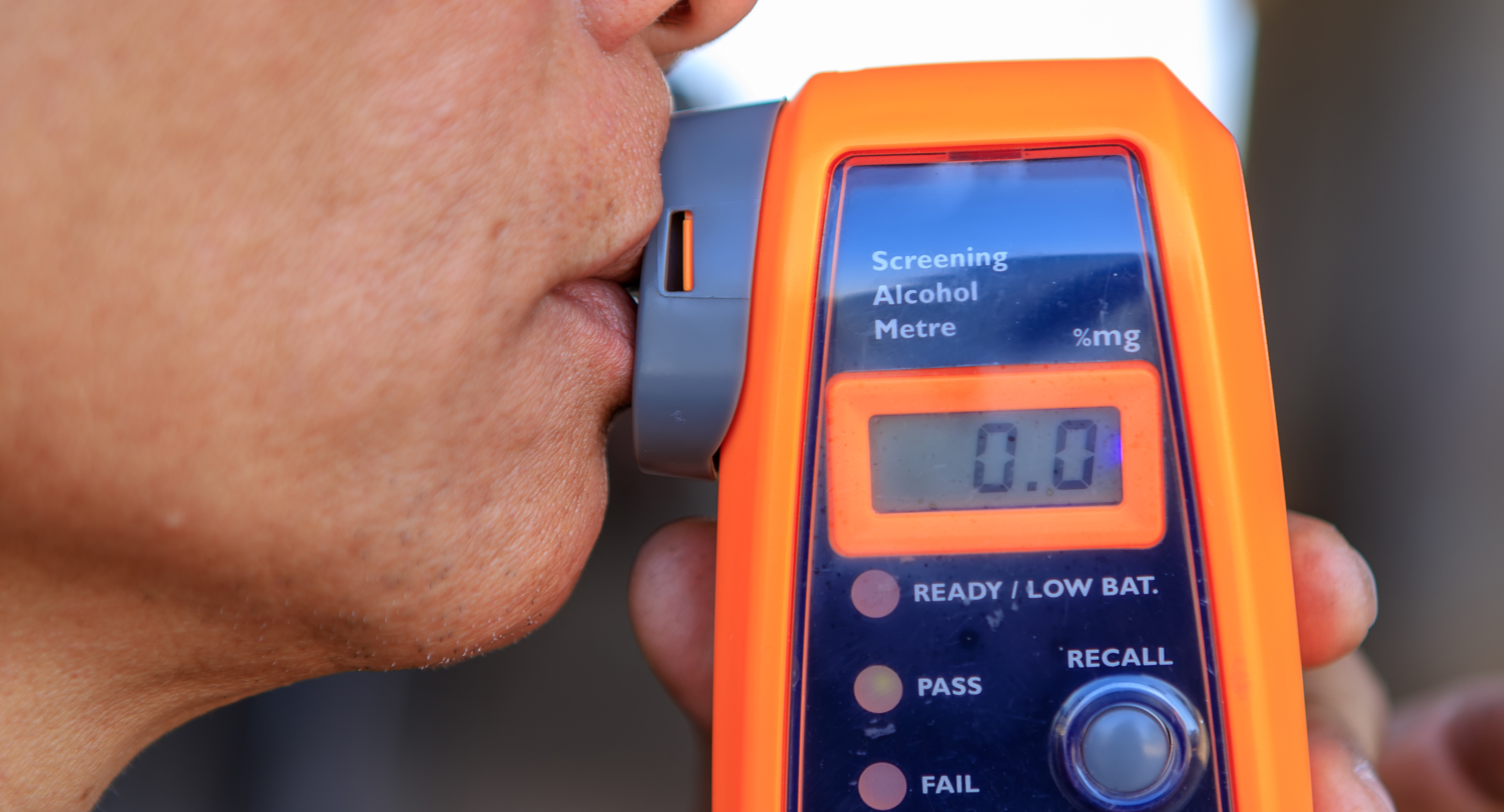
If the officer suspects impairment, they may ask you questions about where you have been, whether you have consumed alcohol or drugs, and whether you are willing to perform Standardized Field Sobriety Tests (SFSTs) developed by the National Highway Traffic Safety Administration (NHTSA). Many drivers are also asked to provide a roadside breath sample using a Preliminary Alcohol Screening (PAS) device, although the legal consequences of refusing a PAS test vary depending on the driver's age, license status, and the circumstances of the stop.
Arrest
If the officer believes there is probable cause to believe you were driving under the influence, you will be placed under arrest. Your vehicle may be impounded or released to a licensed driver, depending on the circumstances. You will then be transported to a local jail, detention facility, or law enforcement station for booking.
A DUI arrest doesn’t guarantee a conviction. It simply means law enforcement believes there is sufficient evidence to formally accuse you of violating California's DUI laws. Prosecutors with the San Diego District Attorney’s Office must still prove every element of the offense beyond a reasonable doubt.
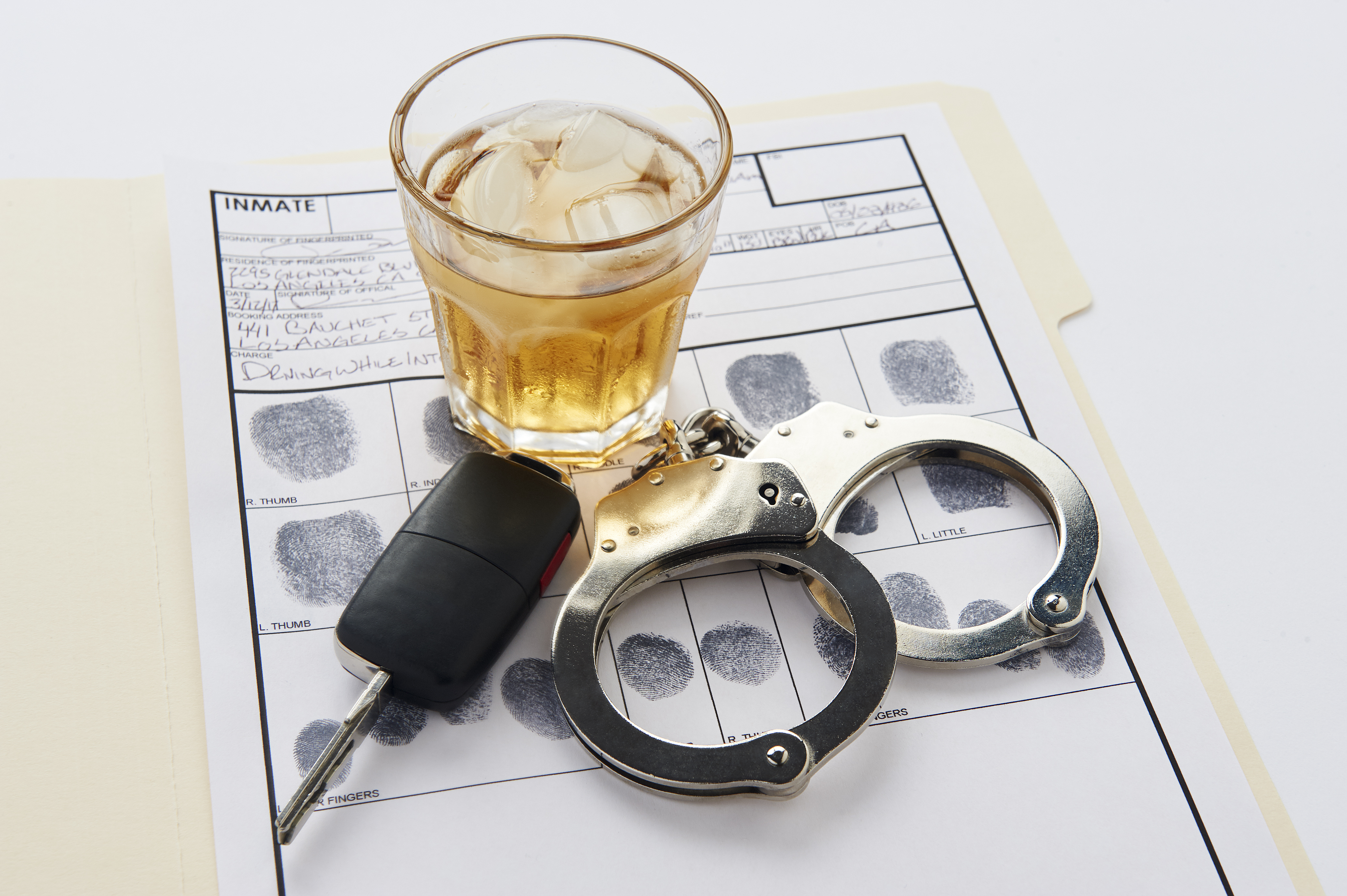
Booking
Booking is the administrative process that occurs after your arrest. During booking, officers generally:
- Record your personal information
- Take your photograph and fingerprints
- Document the alleged criminal charges
- Inventory your personal property
- Verify your identity
- Enter your information into law enforcement databases
Booking procedures vary by arresting agency and detention facility, but they generally follow the same basic process throughout San Diego County. These administrative procedures occur in nearly every DUI arrest and should not be interpreted as evidence of guilt.
Chemical Breath or Blood Testing
After a lawful DUI arrest by the California Highway Patrol, San Diego Police Department, or San Diego County Sheriff’s Department, California's implied consent law generally requires drivers to submit to a chemical breath or blood test. Unlike the roadside PAS test administered before arrest, this post-arrest chemical test is used as evidence in both your criminal case and the separate California DMV Administrative Per Se (APS) proceeding.
Breath testing instruments, blood collection procedures, laboratory analysis, chain of custody documentation, and forensic quality assurance measures may all become important issues later in your defense. An experienced DUI attorney will often review these records to determine whether the scientific evidence was collected and analyzed in accordance with accepted forensic standards.
Release From Custody
Many individuals arrested for a first-time misdemeanor DUI in San Diego are released within several hours after booking, although the timing depends on factors such as the arresting agency, jail population, and the specific circumstances of the case.
In many situations, you will be released with paperwork identifying your future court date. Law enforcement generally confiscates your California driver's license and issues a temporary 30-day permit, after which the California DMV's separate Administrative Per Se process begins unless you timely request a hearing.
Bail
Not every DUI arrest requires posting bail. Many individuals arrested for a first misdemeanor DUI are released on their own recognizance or after completing the booking process without having to post a bail bond.
Bail becomes more likely when aggravating circumstances are present, including allegations involving injury, felony DUI charges, prior DUI convictions, outstanding warrants, or other serious criminal offenses. If bail is required, the amount may depend on the San Diego County bail schedule, the nature of the alleged offense, your criminal history, and whether the court believes you present a flight risk or a danger to public safety.
Regardless of whether you are released on your own recognizance or after posting bail, the hours immediately following your release are critical. You may have only 10 days to request a California DMV APS hearing to challenge your driver's license suspension, making it important to begin evaluating your case as soon as possible.
California DUI Laws
California's primary DUI law is California Vehicle Code section 23152, which makes it illegal to drive while impaired by alcohol or drugs or with an unlawful blood alcohol concentration (BAC). The specific subsection prosecutors rely on depends on the facts of the case.
- Vehicle Code section 23152(a) prohibits driving while under the influence of alcohol. Unlike a "per se" DUI, prosecutors do not have to prove a specific BAC. Instead, they must show that alcohol impaired your physical or mental abilities to the extent that you could no longer drive with the caution of a sober person under similar circumstances. Officers often rely on driving behavior, body-worn camera footage, Standardized Field Sobriety Tests (SFSTs), witness testimony, and other observations to support this charge.
- Vehicle Code section 23152(b) makes it unlawful to drive with a BAC of 0.08% or higher. Prosecutors typically rely on breath or blood test results, forensic toxicology, laboratory records, and chemical testing procedures to establish this "per se" violation. Because these cases often depend on scientific evidence, issues involving Title 17 compliance, gas chromatography, chain of custody, laboratory quality assurance, and retrograde extrapolation may become important in the defense.
- Vehicle Code section 23152(f) prohibits driving under the influence of any drug, including illegal drugs, prescription medications, or over-the-counter medications that impair your ability to drive safely. Drug DUI (DUID) cases frequently involve Drug Recognition Expert (DRE) evaluations, blood testing, forensic toxicology, and expert testimony rather than a fixed legal limit like alcohol.
Your DUI Creates Two Separate Cases
One of the biggest surprises for many people, particularly after a first DUI arrest, is that they are actually facing two completely separate legal proceedings. Although both cases arise from the same arrest, they serve different purposes, follow different procedures, and can produce different outcomes.
-
The first is a criminal court case filed in the San Diego County Superior Court, where prosecutors attempt to prove that you violated California's DUI laws.
-
The second is an administrative driver's license suspension proceeding conducted by the California Department of Motor Vehicles (DMV) through its Administrative Per Se (APS) program.
Winning one case does not automatically determine the outcome of the other, making it important to understand how each process works.
Criminal Court Case
Your criminal DUI case begins when prosecutors formally file charges, typically under California Vehicle Code sections 23152(a) and/or 23152(b).
The San Diego County District Attorney's Office reviews the evidence collected by law enforcement, including police reports, body-worn camera footage, chemical test results, witness statements, and other evidence, to determine whether criminal charges should proceed.
If charges are filed, your case will be heard in the San Diego County Superior Court, where it may involve several stages, including:
- Arraignment and entry of a plea
- Discovery and exchange of evidence
- Investigation by the defense
- Pretrial motions challenging evidence or constitutional violations
- Plea negotiations
- Jury trial, if the case is not resolved beforehand
If convicted, the court may impose criminal penalties such as fines, probation, DUI education, ignition interlock device requirements, driver's license consequences, or jail, depending on the facts of the case and your prior history.
California DMV Administrative Per Se (APS) Case
Separate from your criminal prosecution, the California DMV begins its own administrative review of your arrest. The purpose of the APS proceeding is not to determine whether you committed a crime. Instead, it determines whether your driver's license should be suspended or restricted based on California's administrative licensing laws.
Unlike your criminal case, the APS hearing is conducted before a DMV hearing officer, not a judge. The hearing officer reviews evidence related to your arrest, including the officer's reports, chemical test results, and other documentation to determine whether the DMV may suspend your driving privileges.
One of the most important deadlines after a California DUI arrest is the 10-day deadline to request a DMV Administrative Per Se (APS) hearing. Missing that deadline typically results in an automatic driver's license suspension once your temporary permit expires.
Because the APS process moves quickly, our San Diego defense attorneys begin protecting a client's driving privileges immediately by requesting this hearing after being retained, while simultaneously preparing the criminal defense.
Criminal Court vs. DMV APS Hearing
It's important to understand that a DUI case involves two separate cases: the criminal case and the administrative case with the DMV. Here are the key differences.
|
Criminal Court Case |
California DMV APS Hearing |
|
Determines whether you are guilty of violating California DUI laws |
Determines whether your driver's license should be suspended or restricted |
|
Heard in the San Diego County Superior Court |
Conducted by the California Department of Motor Vehicles |
|
Prosecuted by the District Attorney |
Presided over by a DMV hearing officer |
|
May result in criminal penalties, including fines, probation, DUI school, or jail |
Affects your driving privileges and license status |
|
Requires prosecutors to prove the criminal case |
Reviews whether the DMV may impose an administrative suspension |
|
Can involve motions, plea negotiations, and a jury trial |
Administrative hearing with different procedures and legal standards |
Understanding that your DUI arrest creates two independent cases is critical. Even if your criminal case is ultimately reduced, dismissed, or resolved through a negotiated agreement, the California DMV may still seek to suspend your driver's license unless you successfully challenge the APS proceeding. Likewise, preserving your driving privileges through the DMV process does not automatically resolve the criminal charges. An experienced San Diego DUI attorney can coordinate both cases, identify defenses that apply to each proceeding, and develop a comprehensive strategy from the very beginning.
The 10-Day DMV Deadline Can Affect Your Driving Privileges
As previously mentioned, one of the most important deadlines after a San Diego DUI arrest has nothing to do with your criminal court case. Instead, it involves your California driver's license.
After most DUI arrests, the arresting officer will confiscate your physical driver's license and issue a 30-day temporary license. This temporary permit allows you to continue driving while the California DMV begins a separate Administrative Per Se (APS) license suspension proceeding.
An Administrative Per Se hearing is a civil administrative proceeding conducted by the California DMV rather than the criminal court. The hearing is overseen by a DMV hearing officer, who reviews evidence to determine whether your driver's license should be suspended.
To challenge the proposed suspension, you generally have only 10 calendar days from the date of your arrest to request a California DMV APS hearing. If you miss this deadline, the DMV will usually suspend your driving privileges automatically once the temporary license expires, regardless of whether your criminal case has been resolved.
Requesting an APS hearing may allow your attorney to:
- Preserve your driving privileges while the hearing is pending
- Review the officer's reports and other evidence
- Identify inconsistencies or procedural errors
- Question the arresting officer in certain cases
- Develop defenses that may also benefit your criminal case
The information obtained during the APS proceeding can provide valuable insight into the prosecution's evidence long before your criminal case reaches trial.
Will I Go to Jail after a DUI Arrest in San Diego?
Not necessarily, at least, not for more than a few hours.
While jail is a possible penalty for a California DUI conviction, many people arrested for a first-time misdemeanor DUI do not serve significant jail time beyond the time they spend in police custody immediately after their DUI arrest.
This is particularly true when no one was injured, and there are no major aggravating circumstances. Every case is different, however, and the outcome depends on the specific facts, the available evidence, your criminal history, and how the case is resolved.
As we mentioned, immediately after a DUI arrest, you’ll be transported to jail, where you’ll likely remain for a few hours while you complete the booking process. After that, many individuals arrested for a first misdemeanor DUI are released, and do not have to remain in custody until their court date. Depending on the circumstances, you may be released on your own recognizance or after posting bail, if bail is required.
The hours spent in jail during booking typically account for the only jail time people will serve during a routine DUI with no aggravating factors.
Learn more about when jail is required and how California courts determine DUI sentences in our guide to first DUI jail penalties.
Your First Court Appearance (Arraignment)
After a DUI arrest and booking, the next formal step in your criminal case is the arraignment. This hearing typically takes place in the San Diego County Superior Court, although the specific courthouse depends on where the alleged offense occurred. The arraignment is not a trial, and the judge does not decide whether you are guilty. Instead, it is the proceeding where the court formally advises you of the charges, and your case officially begins.
At the arraignment, the judge will identify the criminal charges filed against you, which often include alleged violations of California Vehicle Code section 23152(a) (driving under the influence) and/or section 23152(b) (driving with a blood alcohol concentration of 0.08% or higher). The judge will also advise you of your constitutional rights and explain the potential penalties if you are convicted.
You will be asked to enter a plea to the charges. In most DUI cases, defendants plead not guilty at the arraignment, allowing their attorney time to investigate the evidence, obtain discovery, evaluate potential defenses, and negotiate with the prosecutor if appropriate.
Entering a not-guilty plea doesn't preclude future negotiations or plea agreements. Instead, it preserves your legal rights while the defense begins reviewing the prosecution's case.
What Happens Before Trial?
Most DUI cases won’t be resolved at the arraignment. Instead, they enter the pretrial phase, where both sides investigate the facts, exchange evidence, evaluate the strengths and weaknesses of the case, and determine whether it can be resolved without a jury trial. For the defense, this stage is often the most important because it provides the first opportunity to thoroughly examine the prosecution's evidence and identify potential legal and scientific challenges.
The Court Schedules Future Hearings
Before your arraignment concludes, the court typically schedules additional proceedings that may include:
- Pretrial conferences
- Motion hearings
- Status conferences
- Trial readiness hearings
- Jury trial, if the case is not resolved beforehand
These hearings give both sides time to exchange evidence, investigate the facts, file legal motions, and discuss possible resolutions.
Discovery Begins
One of the most important stages following the arraignment is discovery, the process through which the prosecution provides evidence to the defense. Depending on the circumstances, discovery may include:
- Police reports
- Body-worn and dash camera footage
- Chemical breath or blood test results
- Laboratory records
- Laboratory accreditation and ISO/IEC 17025 compliance
- Officer training records
- Witness statements
- Dispatch recordings
- California DMV records related to the arrest
Our experienced Senior Trial Attorneys will carefully review this evidence to identify weaknesses in the prosecution's case, constitutional issues, procedural errors, and opportunities to challenge the reliability or admissibility of the evidence.
Evaluating the Scientific Evidence
Many California DUI prosecutions rely heavily on forensic evidence. An experienced DUI attorney reviews far more than the reported blood alcohol concentration (BAC). The defense may examine:
- Breath testing instrument maintenance and calibration records
- Blood sample collection and preservation procedures
- Chain of custody documentation
- Gas chromatography laboratory analysis
- Forensic toxicology reports
- Laboratory quality control and quality assurance records
- Officer compliance with California testing requirements and accepted forensic protocols
Careful review of this evidence may reveal procedural errors, inconsistencies, contamination issues, or other weaknesses that affect the reliability of the prosecution's scientific evidence.
Pretrial Negotiations
As the evidence becomes available, the defense and prosecution often begin discussing whether the case can be resolved before trial. These negotiations may involve reduced charges, modified sentencing recommendations, or other negotiated resolutions, depending on the strength of the evidence and the circumstances of the case.
Negotiations do not mean your attorney is giving up the possibility of trial. In many cases, meaningful negotiations occur only because the defense has thoroughly investigated the evidence and demonstrated that the prosecution's case may have weaknesses.
Filing Pretrial Motions
If legal or constitutional issues are identified, your attorney may file pretrial motions asking the court to resolve important legal questions before trial. Depending on the facts, these motions may challenge:
- The legality of the traffic stop
- Whether officers had probable cause to make the arrest
- The admissibility of statements obtained in violation of your constitutional rights
- The reliability of chemical breath or blood test evidence
- The admissibility of improperly obtained evidence
- Other procedural or evidentiary issues that may affect the prosecution's case
Successful motions can significantly narrow the issues presented at trial and, in some cases, substantially weaken the prosecution's evidence.
In addition to constitutional challenges, DUI attorneys may also object to the admissibility of evidence under the California Evidence Code. Depending on the circumstances, these objections may involve the reliability of scientific evidence, the qualifications of expert witnesses, the foundation for chemical test results, or whether prosecutors can establish that evidence was properly collected, preserved, and authenticated before it is presented to the court. Successfully excluding unreliable or improperly admitted evidence can significantly affect the prosecution's ability to prove the charges beyond a reasonable doubt.
Suppression of Evidence
One of the most powerful legal tools available in a DUI case is a motion to suppress evidence. If law enforcement violated your constitutional rights during the traffic stop, detention, search, arrest, or investigation, the court may exclude some or all of the evidence obtained as a result of that violation.
For example, evidence may be challenged if:
- The officer lacked reasonable suspicion to initiate the traffic stop.
- The arrest was made without probable cause.
- Chemical testing or evidence collection violated applicable legal requirements.
- Statements were obtained in violation of your constitutional rights.
When key evidence is suppressed, prosecutors may have difficulty proving the case beyond a reasonable doubt. Depending on the circumstances, suppression of critical evidence can lead to reduced charges, dismissal, or a significantly stronger negotiating position for the defense.
Although many DUI cases resolve before reaching a jury, successful outcomes often begin during the pretrial phase. A thorough investigation, careful forensic review, strategic motion practice, and well-prepared negotiations can shape the direction of the case long before the first witness is ever called to testify.
Your Attorney May Appear on Your Behalf
In many misdemeanor DUI cases, an attorney can appear in the San Diego County Superior Court on your behalf, meaning you may not have to attend every court hearing personally. Whether your appearance can be waived depends on the specific facts of your case, the charges filed, and the court's requirements.
Having legal representation from the beginning allows your attorney to communicate with the prosecutor, begin obtaining evidence, protect your rights, and develop a defense strategy while you focus on your family, work, and other responsibilities. Early involvement also helps ensure that important deadlines are met and that opportunities to challenge the prosecution's evidence are not overlooked.
How Prosecutors Prove DUI in San Diego
To obtain a DUI conviction, prosecutors generally must prove beyond a reasonable doubt that the defendant was driving a motor vehicle and was either impaired by alcohol or drugs or had an unlawful blood alcohol concentration under California law. They commonly rely on officer observations, body-worn camera footage, Standardized Field Sobriety Tests (SFSTs), breath or blood test results, forensic laboratory reports, witness testimony, dispatch recordings, and the defendant's own statements. An experienced DUI attorney evaluates each category of evidence for legal, procedural, and scientific weaknesses.
How Michael & Associates Investigates DUI Cases
Every DUI case is different, which is why Michael & Associates Criminal Defense Attorneys begins each representation with a thorough investigation tailored to the specific facts of the arrest. Rather than relying solely on the police report, your Senior Trial Attorney conducts a comprehensive review of the legal, factual, and scientific evidence to identify weaknesses in the prosecution's case and develop a defense strategy from the outset.
Many DUI prosecutions depend heavily on scientific evidence. Michael & Associates includes attorneys who have earned, or are pursuing, the ACS-CHAL Forensic Lawyer-Scientist designation through the American Chemical Society. Their advanced education in forensic toxicology, analytical chemistry, blood alcohol analysis, and gas chromatography helps them critically evaluate the scientific evidence used in California DUI cases.
An experienced DUI attorney may also evaluate whether the forensic laboratory followed accepted scientific practices and maintained appropriate quality standards. Depending on the evidence, this review can include the laboratory's accreditation status, compliance with ISO/IEC 17025 quality management requirements, internal quality assurance and quality control procedures, instrument calibration and maintenance records, proficiency testing, and documentation of analytical methods. Identifying deviations from accepted laboratory standards may raise important questions about the reliability and admissibility of the prosecution's chemical test evidence.
Our investigation may also include reviewing:
- Police reports and witness statements
- Body-worn and dash camera footage
- Standardized Field Sobriety Test (SFST) administration
- Breath testing records and instrument maintenance
- Blood collection procedures and laboratory reports
- Chain of custody documentation
- California DMV records
- Dispatch communications and 911 recordings
We also examine whether law enforcement complied with constitutional requirements throughout the investigation. This includes evaluating whether officers had reasonable suspicion to initiate the traffic stop, probable cause to arrest, and whether evidence was obtained lawfully. When appropriate, we may seek to suppress evidence that was collected in violation of your constitutional rights.
By combining detailed factual investigation, advanced forensic review, and constitutional analysis, Michael & Associates works to identify weaknesses in the prosecution's case from the earliest stages of your DUI defense. Whether negotiating with prosecutors or preparing for trial, our goal is to ensure every piece of evidence is carefully examined before decisions are made about how your case should proceed.
Common Mistakes After a DUI Arrest
The decisions you make in the days following a DUI arrest can affect both your criminal case and your driving privileges. Avoiding common mistakes may help preserve important evidence, protect your legal rights, and improve your ability to build a strong defense.
- Talking to police without an attorney: You have the right to remain silent. After your arrest, avoid answering additional questions or attempting to explain what happened without first speaking with a lawyer. Statements that seem harmless may later be used by prosecutors as evidence.
- Posting about your arrest on social media: Do not discuss your arrest, the traffic stop, your alcohol consumption, or your case on social media. Photos, videos, comments, and private messages may become evidence in a criminal prosecution.
- Missing the 10-day DMV deadline: After most California DUI arrests, you have only 10 days to request a California DMV Administrative Per Se (APS) hearing. Missing this deadline usually results in an automatic driver's license suspension once your temporary permit expires.
- Ignoring court dates: Failing to appear in court can result in additional legal consequences, including a bench warrant for your arrest. Always attend required court hearings or confirm whether your attorney may appear on your behalf.
- Deleting potential evidence: Do not delete text messages, photographs, GPS information, receipts, or other records that may help establish your whereabouts or timeline. In some cases, evidence that appears unimportant initially may later support your defense.
- Waiting too long to hire a DUI lawyer: Early legal representation also allows your attorney to request the DMV hearing, begin reviewing discovery, and identify potential defenses before critical deadlines expire.
Can My DUI Be Dismissed?
Yes. A DUI arrest does not automatically result in a conviction. Prosecutors must prove every element of the offense beyond a reasonable doubt, and many cases contain legal, procedural, or scientific issues that may weaken the prosecution's evidence.
DUI cases are dismissed for many reasons, including insufficient evidence, constitutional violations, unreliable chemical testing, unavailable witnesses, unlawful traffic stops, or because prosecutors determine they cannot prove guilt beyond a reasonable doubt.
Depending on the facts, a DUI defense may also involve challenges involving:
- Constitutional violations, including unlawful searches, seizures, or arrests.
- Miranda violations if statements were obtained after custodial interrogation without the required warnings.
- Standardized Field Sobriety Tests (SFSTs) that were improperly administered or affected by medical conditions, fatigue, uneven surfaces, weather, or other non-alcohol-related factors.
- Title 17 compliance, including whether breath or blood testing procedures complied with applicable California regulations governing chemical testing.
- Blood testing procedures, including sample collection, preservation, laboratory analysis, instrument calibration, and chain of custody documentation.
- Retrograde extrapolation, where prosecutors attempt to estimate a driver's blood alcohol concentration (BAC) at the time of driving based on assumptions about alcohol absorption and elimination that may not accurately reflect an individual's physiology.
When evidence was obtained unlawfully or scientific testing is unreliable, your attorney may seek to suppress that evidence or challenge its admissibility before trial. In some cases, these challenges result in reduced charges, favorable plea negotiations, or dismissal. Because every DUI case is different, the availability of these defenses depends on the specific facts, the quality of the evidence, and the circumstances surrounding the arrest.
San Diego Courts That Handle DUI Cases
Most first-time DUI arrests are charged as misdemeanors, particularly when no one was injured and there are no significant aggravating circumstances. Misdemeanor cases generally proceed through arraignment, pretrial hearings, and, if necessary, a jury trial in the San Diego County Superior Court.
Most DUI cases in San Diego are heard in the San Diego County Superior Court, although the specific courthouse depends on where the alleged offense occurred and the nature of the charges. After prosecutors file a criminal complaint, the court assigns the case to the appropriate location for arraignment and all subsequent proceedings.
Some DUI arrests may be charged as felonies, including cases involving serious bodily injury, certain prior DUI convictions, or other circumstances authorized by California law. Felony DUI prosecutions often involve additional court proceedings, greater potential penalties, and more complex litigation than misdemeanor cases.
The courthouse handling your case is generally determined by the location of the alleged offense. Depending on the circumstances, DUI cases may be assigned to one of several San Diego County Superior Court locations. Your notice to appear, bail paperwork, or court documents will identify the courthouse where your case has been filed.
Because local courtroom procedures, scheduling practices, and judicial preferences may vary, having an attorney familiar with DUI litigation in San Diego County can help ensure your case is handled efficiently from the outset.
Criminal DUI charges in San Diego County are prosecuted by the San Diego County District Attorney's Office. Prosecutors review police reports, body-worn camera footage, chemical test results, witness statements, laboratory records, and other evidence to determine whether they can prove the charges beyond a reasonable doubt.
An experienced San Diego DUI attorney understands how local prosecutors evaluate DUI cases and can identify legal, factual, and scientific issues that may affect charging decisions, plea negotiations, pretrial motions, or trial strategy. From reviewing forensic evidence to challenging constitutional violations, early preparation is often critical to achieving the best possible outcome.
Why Acting Quickly Matters
In many DUI cases, some of the most valuable evidence begins disappearing long before your criminal case reaches trial. Body-worn camera footage, dash camera recordings, dispatch audio, surveillance video from nearby businesses, and witness memories may become more difficult to obtain as time passes. Some recordings are automatically overwritten, while other evidence simply becomes less reliable over time.
Early legal representation allows your attorney to begin preserving evidence immediately, obtain police reports and chemical testing records, review breath or blood testing procedures, identify constitutional issues, and develop a defense strategy while the evidence is still fresh. The sooner your attorney begins investigating your case, the greater the opportunity to identify weaknesses in the prosecution's evidence and build the strongest possible defense.
Why Hire Michael & Associates
Choosing the right San Diego DUI lawyer involves more than finding someone who understands California DUI law. You need a defense team with courtroom experience, scientific training, and the resources to thoroughly evaluate every aspect of the prosecution's case.
At Michael & Associates Criminal Defense Attorneys, every client is represented by a Senior Trial Attorney who remains responsible for the case from beginning to end. Rather than working in isolation, that attorney draws on the collective experience of a firm with more than 500 combined years of criminal defense experience and over 1,000 jury trials. This collaborative approach allows attorneys to discuss complex legal, forensic, and trial issues while developing the strongest possible defense strategy for each client.
Our firm is also distinguished by its commitment to forensic science. Attorneys who have earned, or are pursuing, the ACS-CHAL Forensic Lawyer-Scientist designation receive advanced education in forensic toxicology, analytical chemistry, blood alcohol analysis, and other scientific disciplines commonly involved in DUI litigation. That training helps our attorneys critically evaluate the prosecution's scientific evidence rather than simply accepting laboratory conclusions at face value.
Because we regularly defend DUI cases throughout San Diego County, our attorneys understand the local courts, prosecutors, law enforcement agencies, and procedures that can influence how a case progresses. Combined with extensive trial experience and a commitment to individualized representation, this allows us to develop defense strategies tailored to both the facts of the case and the local legal landscape.
Whether your goal is to protect your driver's license, negotiate a favorable resolution, or prepare your case for trial, Michael & Associates has the experience, resources, and scientific expertise to help you pursue the best possible outcome.
FAQs
What should I do immediately after a DUI arrest in San Diego?
After a DUI arrest, remain calm, exercise your right to remain silent, and avoid discussing your case with anyone other than your attorney. In most California DUI cases, you have only 10 days to request a California DMV Administrative Per Se (APS) hearing to challenge your driver's license suspension. You should also preserve any potential evidence, attend all required court dates, and speak with an experienced San Diego DUI lawyer as soon as possible.
How long does a DUI case take in San Diego?
Every case is different, but many misdemeanor DUI cases take several months to resolve. After your arrest, you may have a DMV deadline within 10 days, followed by an arraignment, discovery, pretrial hearings, negotiations, and, if necessary, a jury trial. The timeline depends on the complexity of the case, the court's schedule, and whether the matter resolves through negotiation or proceeds to trial.
Do I have to go to court after a DUI arrest?
In most cases, yes. However, if you are charged with a misdemeanor DUI, your attorney may be able to appear in court on your behalf for many hearings, depending on the circumstances and the court's requirements. An experienced DUI attorney can explain when your personal appearance is required and help minimize disruptions to your work and daily life.
Will my driver's license be suspended immediately after a DUI arrest?
Not necessarily. After most California DUI arrests, officers issue a temporary driver's license that is generally valid for 30 days. Unless you timely request a California DMV Administrative Per Se (APS) hearing, your driving privileges may be suspended when that temporary license expires.
Can a DUI charge be reduced or dismissed?
Yes. A DUI arrest does not automatically result in a conviction. Depending on the facts, your attorney may challenge the legality of the traffic stop, the arrest, chemical breath or blood testing, Standardized Field Sobriety Tests (SFSTs), laboratory procedures, or other evidence. If prosecutors cannot prove the charges beyond a reasonable doubt, the case may be reduced, dismissed, or resolved through another favorable outcome.
What evidence do prosecutors use in a San Diego DUI case?
Prosecutors often rely on police reports, body-worn camera footage, dash camera video, witness statements, Standardized Field Sobriety Test (SFST) observations, chemical breath or blood test results, forensic laboratory reports, dispatch recordings, and officer testimony. An experienced DUI attorney reviews this evidence for legal, procedural, and scientific issues that may affect its reliability or admissibility.
Can I refuse a breath or blood test after a DUI arrest?
California's implied consent law generally requires drivers who have been lawfully arrested for DUI to submit to a chemical breath or blood test. Refusing a required post-arrest chemical test can lead to additional driver's license consequences and may be used against you in both the DMV administrative proceeding and your criminal case.
What happens if this is my first DUI arrest?
Many first-time misdemeanor DUI defendants are released after booking and later appear in court for arraignment. Even if you have never been arrested before, you still face both a criminal court case and a separate California DMV driver's license proceeding. Speaking with an attorney early can help protect your rights, preserve evidence, and ensure important deadlines are not missed.
Can a DUI lawyer appear in court for me?
In many misdemeanor DUI cases, yes. Depending on the charges and the court's requirements, your attorney may be able to attend many hearings on your behalf while handling discovery, filing motions, negotiating with prosecutors, and preparing your defense.
Why should I hire a DUI lawyer immediately after my arrest?
Early representation allows your attorney to request your DMV APS hearing, preserve important evidence before it disappears, review police reports and forensic testing, identify constitutional or scientific defenses, and begin protecting your rights from the earliest stages of the case. Taking action quickly often provides the greatest opportunity to build a strong defense.
How much does a DUI lawyer cost in San Diego?
The cost of hiring a San Diego DUI lawyer depends on factors such as whether the charge is a misdemeanor or felony, the complexity of the evidence, and whether the case proceeds to trial. Many criminal defense firms, including Michael & Associates Criminal Defense Attorneys, charge a flat fee rather than billing by the hour. During your free consultation, we'll explain your options, discuss the anticipated scope of representation, and provide transparent pricing with no hidden fees.
Can I drive to work after a DUI arrest?
Possibly. Many drivers can continue driving immediately after a DUI arrest using the temporary license issued by the arresting officer. If you request a California DMV Administrative Per Se (APS) hearing within 10 days, your driving privileges are generally extended until the DMV issues a decision. Even if your license is later suspended, you may qualify for restricted driving privileges or an Ignition Interlock Device (IID) that allows you to drive to work and other essential destinations, depending on your eligibility.
Do I have to install an ignition interlock device (IID)?
Possibly. California law requires many drivers convicted of DUI to install an Ignition Interlock Device (IID) to obtain unrestricted or restricted driving privileges after a license suspension. Whether an IID is required depends on factors such as whether this is your first DUI, your prior DUI history, the facts of your case, and the outcome of both your criminal case and the California DMV Administrative Per Se (APS) proceeding. An experienced San Diego DUI attorney can explain your eligibility, help protect your driving privileges, and work to minimize the long-term consequences of a DUI arrest.
Bottom Line
A DUI arrest is only the beginning of a lengthy process that moves quickly and can affect your driver's license, criminal record, finances, employment, and future. One missed step can be costly. Taking action early can help preserve important evidence, protect your driving privileges, and position your case for the best possible outcome.
If you have been arrested for DUI in San Diego County, Los Angeles County, Pasadena, or elsewhere in Southern California, contact Michael & Associates Criminal Defense Attorneys as soon as possible. We offer a free consultation with a Senior Trial Attorney who will talk you through the next steps, what to expect, and how we can immediately get to work to protect your rights, preserve your driving privileges, and develop your defense from day one.