Getting arrested for a DWI in Texas launches two separate legal tracks: a criminal case and an Administrative License Revocation (ALR) case. Understanding each step helps you protect your license, your record, and your future.
Key Takeaways
- Expect to spend between 24 and 48 hours in custody between your arrest and posting bail.
- The entire DWI process can take up to nine months to resolve for a standard first offense with no aggravating factors.
- More complex cases or felony DWIs can take a year or longer to resolve.
1. Traffic Stop and Investigation
A DWI case usually begins with a traffic stop, a crash, or a welfare check. The officer will look for signs of impairment, ask questions, and may request:
- Standardized Field Sobriety Tests (SFSTs)
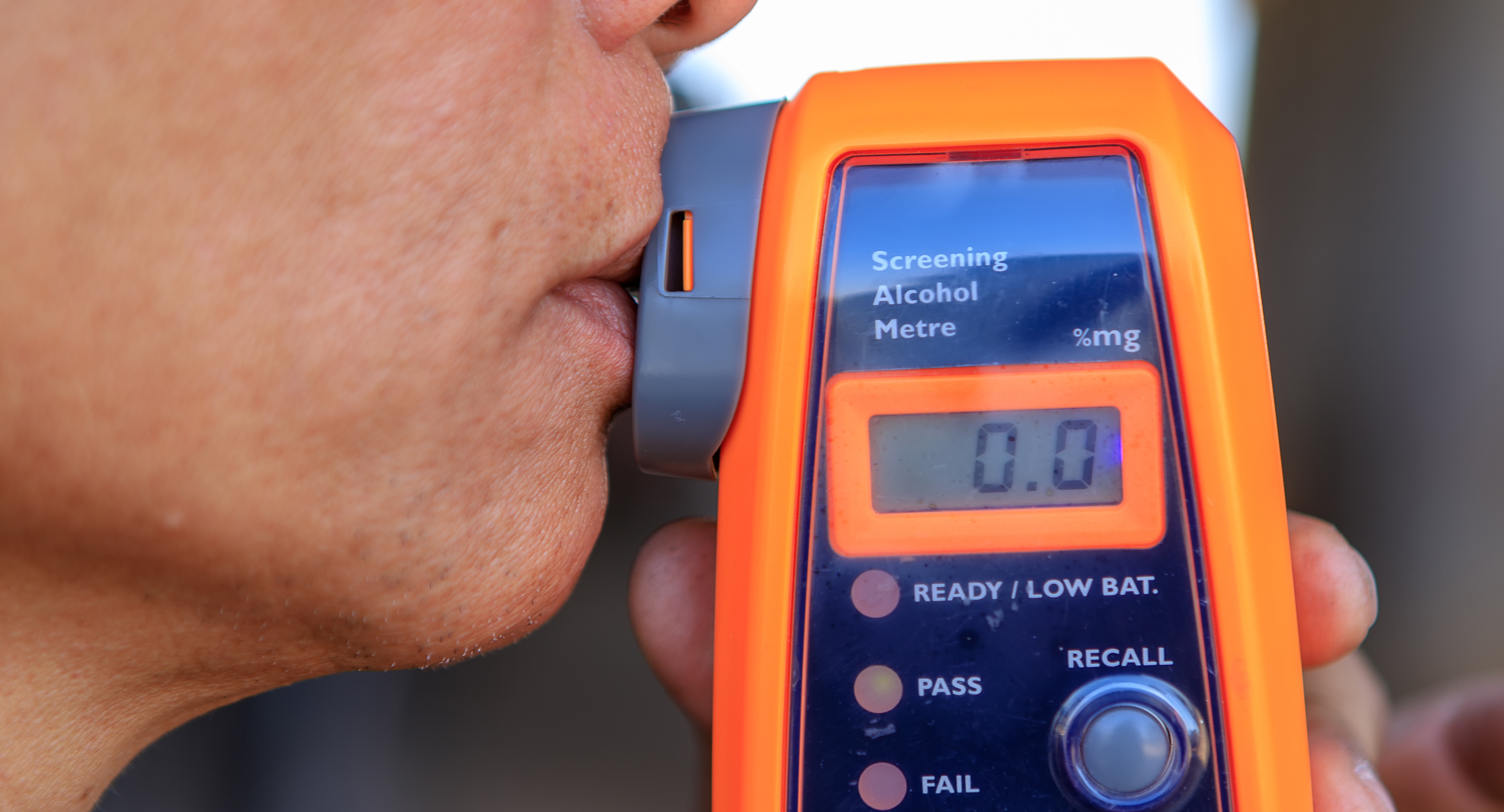
- A breath or blood test
- A preliminary roadside breath test
If the officer believes you've lost the normal use of your mental or physical faculties—or your BAC appears to be 0.08 or higher—you will be arrested.
2. Arrest, Booking, Magistration, and Release
Once arrested, you're taken to jail for:
- Mugshot
- Fingerprints
- BAC testing (breath or blood)
You'll be held in custody until magistration. This is when you appear before a magistrate, who will inform you of the charges you face and set your bond amount.
3. Posting Bail
Bail serves as a security deposit to ensure that you appear for all scheduled court appearances. It is set during magistration.
There are different types, including:
- Personal bonds: You pay a small fee and are released on your own recognizance
- Cash bail: You pay the full amount via a money order or certified check (some jurisdictions also accept cash and/or credit cards). Most cash bail is refunded after your case is resolved.
- Surety bond: You pay a bail bond company a fee of about 10% of the total bail amount, and they post bond on your behalf. The fee is not refundable.
Once you've posted bond, you'll be released, though it may not be immediate.
4. The ALR Process (You Must Act to Protect Your Driver's License)
Next, Texas will attempt to suspend your driver's license through the Administrative License Revocation (ALR) process. This is separate from your criminal case.
You have 15 days from the date of arrest to request an ALR hearing. If you don't, your license is automatically suspended on the 40th day.
5. Arraignment
At your first court appearance — called an arraignment — you will be informed of your charges and asked to issue a plea of guilty, not guilty, or no contest. If you hire an attorney early, they may be able to appear on your behalf so you don't have to attend.
6. Evidence Review and Case Investigation
Your defense attorney will review:
- Body and dash camera footage
- Police reports
- The results of your blood or breath testing
- Your performance on field sobriety tests conducted at the scene of your arrest
- Whether any of your constitutional rights were violated during your arrest
The goal is to uncover errors, inconsistencies, or rights violations that can weaken or dismiss the case.
7. Pre-Trial Negotiations
In Texas, many DWI cases are resolved through negotiation, particularly in major cities and larger jurisdictions. Depending on the evidence, your attorney may seek:
- A dismissal
- A reduction to a lesser charge
- Deferred adjudication
- A plea deal with minimized penalties
8. ALR Hearing (If Requested)
During this hearing, your attorney can cross-examine the arresting officer and challenge your traffic stop, arrest, or testing. Winning the ALR hearing can save your license and often help us obtain information that will help with the criminal case.
Michael & Associates has an ALR team on staff to handle these hearings. You probably won’t even have to attend.
If you lose the ALR hearing, we will help you apply for an Occupational Driver's License, which allows people to drive to work, school, and to complete essential errands.
9. Trial (If Necessary)
If negotiations don't lead to the result you need, your case can move forward to trial. At that stage, the state has to prove you were intoxicated beyond a reasonable doubt — a high bar.
In a trial, we shift our focus to the weaknesses in the case, such as:
- Breath or blood tests that aren't reliable
- Officers who didn't follow proper procedures
- Medical issues that can look like intoxication
- Any violations of your constitutional rights
At Michael & Associates, our team is never afraid to take a case to trial if necessary to get our clients the best possible outcome.
10. Sentencing
If convicted, you will appear in court before a judge for sentencing. Penalties include:
- Jail time
- Fines
- License suspension
- Probation
- Installation of an Ignition Interlock Device
- Alcohol education programs
- A permanent criminal record
Penalties depend on whether it's a first, second, or third DWI — and whether there were aggravating factors.
FAQs
Will I be able to get my DWI removed from my record?
In Texas, a DWI conviction cannot be expunged, but some people may qualify to seal their record through Deferred Adjudication or an Order of Nondisclosure. This depends on factors like your criminal history, the outcome of your case, and whether there were aggravating circumstances. An attorney can review your case to see if record sealing is an option.
How long does the DWI process take in Texas?
Most DWI cases take several months, and sometimes up to a year, depending on court schedules, evidence delays, and whether the case goes to trial. Hiring an attorney early helps move the process along and protects your license during the ALR phase.
What happens if I miss the 15-day deadline for the ALR hearing?
If you don't request an ALR hearing within 15 days, your driver's license will be automatically suspended on the 40th day after your arrest. Even if you miss the deadline, an attorney can help you apply for an Occupational Driver's License so you can legally drive for work, school, and essential needs.
Sources
Michael & Associates research, Texas DWI and DUI glossary, Texas Department of Public Safety, Texas Department of Transportation, Texas Penal Code Chapter 49.