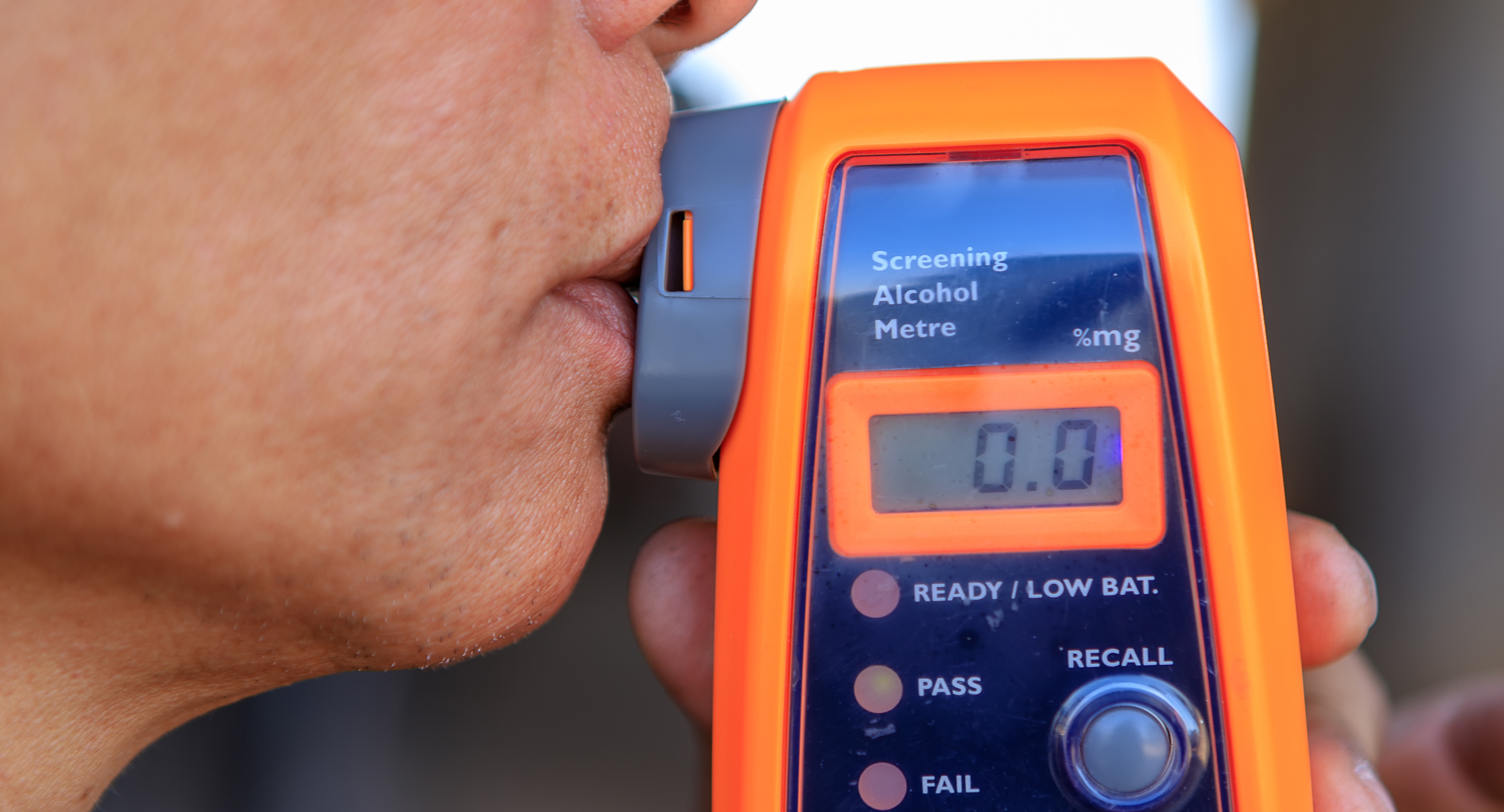
A no-refusal weekend is a period — usually a holiday weekend — when Texas law enforcement increases DWI enforcement and makes it easier and faster to obtain search warrants for blood draws if a driver refuses a breath test. The goal is to minimize the number of alcohol-related accidents by making it more difficult for drivers to avoid a test for blood alcohol concentration (BAC).
However, it's essential to understand that you can still refuse blood and breath testing. Your rights don't change just because it's a holiday weekend.
Key Takeaways
- A no-refusal weekend is a DWI enforcement period in which police obtain rapid blood draw warrants if drivers refuse testing.
- These weekends are common during holidays and high-risk times.
- No-refusal weekends do not replace your constitutional rights; they streamline the warrant process.
Does a No-Refusal Weekend Mean Mandatory Testing?
No. Texas does not have mandatory blood testing except in rare circumstances (incidents involving a child passenger, serious injury, or death). A warrant is still required.
Despite the name, you are still legally allowed to refuse breath or blood testing. The suggestion that you are required to comply with testing is a myth. What “no-refusal” really means is that police have judges on standby to issue immediate blood-draw warrants, making refusals effectively pointless.
In other words, no-refusal weekends don’t change the law (or your rights). They change the speed and certainty of getting a warrant.
No-refusal weekends often occur during times when alcohol-related crashes are historically higher, such as:
- New Year’s Eve / New Year’s Day
- Fourth of July
- Memorial Day Weekend
- Labor Day Weekend
- Thanksgiving weekend
- Major sporting events (Super Bowl, etc.)
The goal is simple: increase DWI arrests and reduce alcohol-related crashes by speeding up access to blood evidence.
No-Refusal Weekends: What Actually Happens
During a no-refusal initiative, law enforcement agencies coordinate with:
- On-call judges and magistrates who quickly review and sign warrants.
- Phlebotomists or nurses who draw blood.
- Prosecutors to streamline paperwork and probable-cause affidavits.
- DWI task forces to run checkpoints or saturation patrols.
If a driver refuses a breath test:
- Officers request a blood test.
- If the driver refuses again, the police immediately contact a judge.
- A warrant is issued — often within minutes.
- A blood sample is taken forcibly if necessary.
No-refusal weekends do not eliminate your right to refuse. They simply ensure that refusal will not prevent officers from obtaining a blood sample.
Why Texas Uses No-Refusal Weekends
Texas consistently ranks among the highest in the nation for alcohol-related traffic fatalities. Law enforcement uses no-refusal initiatives to:
- Deter impaired driving.
- Collect more substantial evidence for prosecutors
- Reduce alcohol-related crashes during high-risk times.
- Increase the odds of conviction in DWI cases.
These operations generally lead to more arrests, more blood tests, and higher conviction rates, because BAC evidence becomes harder to challenge.
Are No-Refusal Weekends Constitutional?
Yes, no-refusal weekends are constitutional, as courts across the state have consistently upheld them. The key legal standard is probable cause.
A warrant can only be issued if:
- The officer lawfully detains the driver
- There is probable cause to believe they are intoxicated
- A judge independently agrees.
The presence of a judge on standby doesn’t weaken your rights; it simply accelerates the process.
What Happens If You Refuse a Test During a No-Refusal Weekend?
Even during no-refusal periods, you have the right to say no. However:
- Your driver’s license suspension under the ALR program still applies
- Your refusal can be used as evidence in court.
- A warrant will likely be issued immediately.
- You may be forcibly subjected to a blood draw once the warrant is signed.
Remember, even during a no-refusal weekend, you have the right to refuse. However, it's important to understand that your refusal won’t prevent officers from obtaining your BAC.
How a No-Refusal Weekend Impacts a DWI Case
A DWI arrest during a no-refusal operation can affect:
- Evidence strength (blood tests carry more weight than breath tests)
- Likelihood of conviction
- Pretrial negotiations
- Ability to challenge probable cause
- Suppression motions related to how the warrant was obtained
Even with warrant-backed blood draws, DWI cases can still be challenged on:
- The legality of the stop
- Probable cause for arrest
- How the warrant was obtained
- Blood draw timing
- Chain of custody issues
- Lab errors and contamination
Many no-refusal blood tests are still suppressed due to procedural errors.
FAQs
Can I still refuse a breath or blood test?
Yes. But police will likely obtain a warrant immediately.
Is a blood draw legal if I say no?
Only if a judge signs a warrant or if one of the rare mandatory-testing exceptions applies.
Do no-refusal weekends happen statewide?
Most major Texas counties participate, including predominantly urban areas like Austin, Houston, Dallas/Fort Worth, and San Antonio.