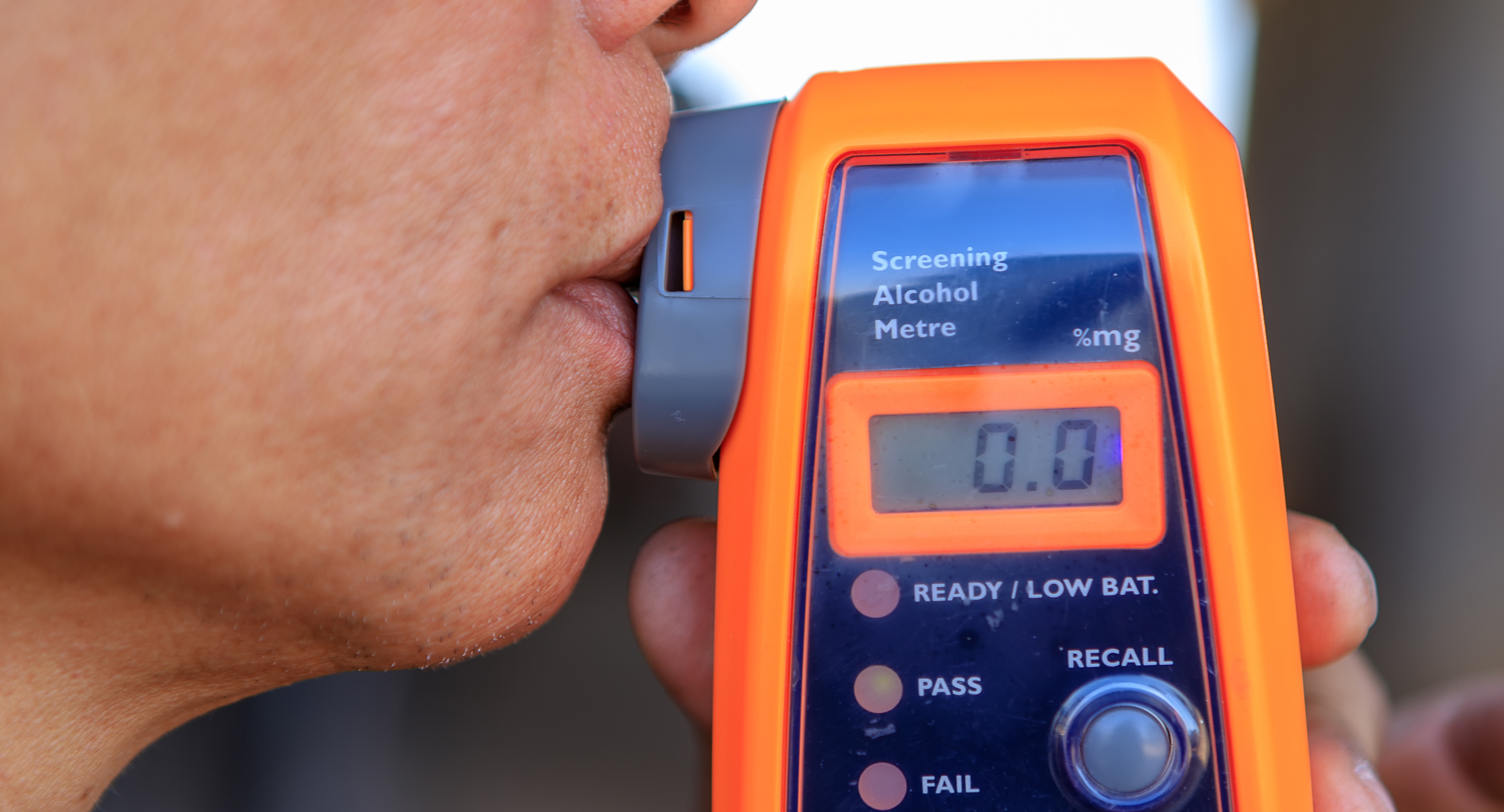
Understanding the language of Texas DWI and DUI law is essential if you’re facing charges or trying to make sense of the criminal process. This glossary breaks down the most critical terminology to answer all of your questions about the arrest, the charges you may face, the court process, what happens next, and the long-term implications of a guilty plea or criminal conviction.
ALR (Administrative License Revocation)
A civil process in Texas where your driver’s license is automatically suspended if you refuse or fail a breath, blood, or urine test after a DWI arrest; you have 15 days to request a hearing to contest the suspension.
BAC (Blood Alcohol Concentration)
The amount of alcohol in your bloodstream is measured as a percentage. In Texas, a BAC of 0.08 or higher legally indicates intoxication for DWI charges.
A Texas criminal offense punishable by up to 1 year in county jail and up to $4,000 in fines. Often includes repeat DWIs, certain assaults, and enhanced theft charges.
A Texas offense punishable by up to 180 days in county jail and up to $2,000 in fines. First-time DWI is commonly charged at this level.
The lowest level of offense in Texas is punishable by a fine of up to $500 and no jail time. Common examples include traffic tickets and minor in possession of alcohol.
A type of probation where the judge delays a finding of guilt. If successfully completed, the case avoids a formal conviction and may qualify for an order of nondisclosure.
DUI (Driving Under the Influence)
In Texas, a charge applied only to minors under 21 for driving with any detectable amount of alcohol in their system, regardless of impairment.
A comparison between two Texas offenses: DUI applies only to minors with any alcohol in their system; DWI applies to adults (and some minors) operating a vehicle while intoxicated through alcohol, drugs, or impairment.
DWI (Driving While Intoxicated)
A DWI in Texas means you were driving while intoxicated — either because your BAC was 0.08 or higher, or because alcohol or drugs impaired your normal physical or mental abilities.
A legal process that permanently removes eligible criminal records from public view. After an expunction, police officers and courts must treat the event as if it never occurred.
The primary difference is severity — misdemeanors come with lighter penalties and up to a year in county jail, while felonies are much more serious and can mean more than a year in prison plus long-term consequences.
A Texas law states that by driving, you automatically consent to chemical testing when an officer has probable cause for DWI. Refusal triggers administrative penalties, including license suspension.
A law enforcement initiative—often during holidays—where officers obtain rapid warrants to require blood tests from suspected impaired drivers who refuse breath tests.
A court order that seals certain criminal records from public view after successful deferred adjudication or other qualifying outcomes, though the records remain accessible to law enforcement and select agencies.
A Texas felony punishable by 180 days to 2 years in a state jail facility and up to $10,000 in fines. Often applied to low-level drug offenses, theft, and some burglary cases.
A Texas felony punishable by 2 to 10 years in prison and up to $10,000 in fines. Common examples include certain aggravated assaults and repeat DWI offenses with prior convictions or child passengers.