A first DWI in Texas is a Class B misdemeanor that can result in a fine of up to $2,000, jail time of 3 to 180 days, and a driver's license suspension of up to 1 year. However, jail time is unlikely for a standard first-time offense with no aggravating factors.
Depending on your case, you may receive probation, be required to complete a DWI education program, pay surcharges to keep your license, and have an ignition interlock device installed in your vehicle.
It also sets off a fast-moving chain of legal and administrative consequences, which start immediately after your arrest. In this guide, we break down exactly what happens, step by step, so you know what to expect and how to protect yourself.
Key Takeaways
- A first DWI is usually a Class B misdemeanor, which is punishable by up to 180 days in jail and up to $2,000 in fines.
- Texas law requires a minimum 72-hour jail sentence if convicted, but this time is often credited from what you serve between your initial arrest and posting bail.
- You face two cases at the same time: the ALR license suspension case and your criminal case. You have only 15 days to request an ALR hearing to fight your license suspension.
What Happens Immediately After the Arrest
In Texas, DWI (driving while intoxicated) and DUI (driving under the influence) are not the same. Only drivers under age 21 can be charged with DUI, and it typically doesn’t involve jail time. While the post-arrest steps are similar, the penalties for DUI are very different.
You're Taken into Custody
The officer arrests you, transports you to jail, and books you. You'll be photographed, fingerprinted, and held until you can be released on bond.
Chemical Testing
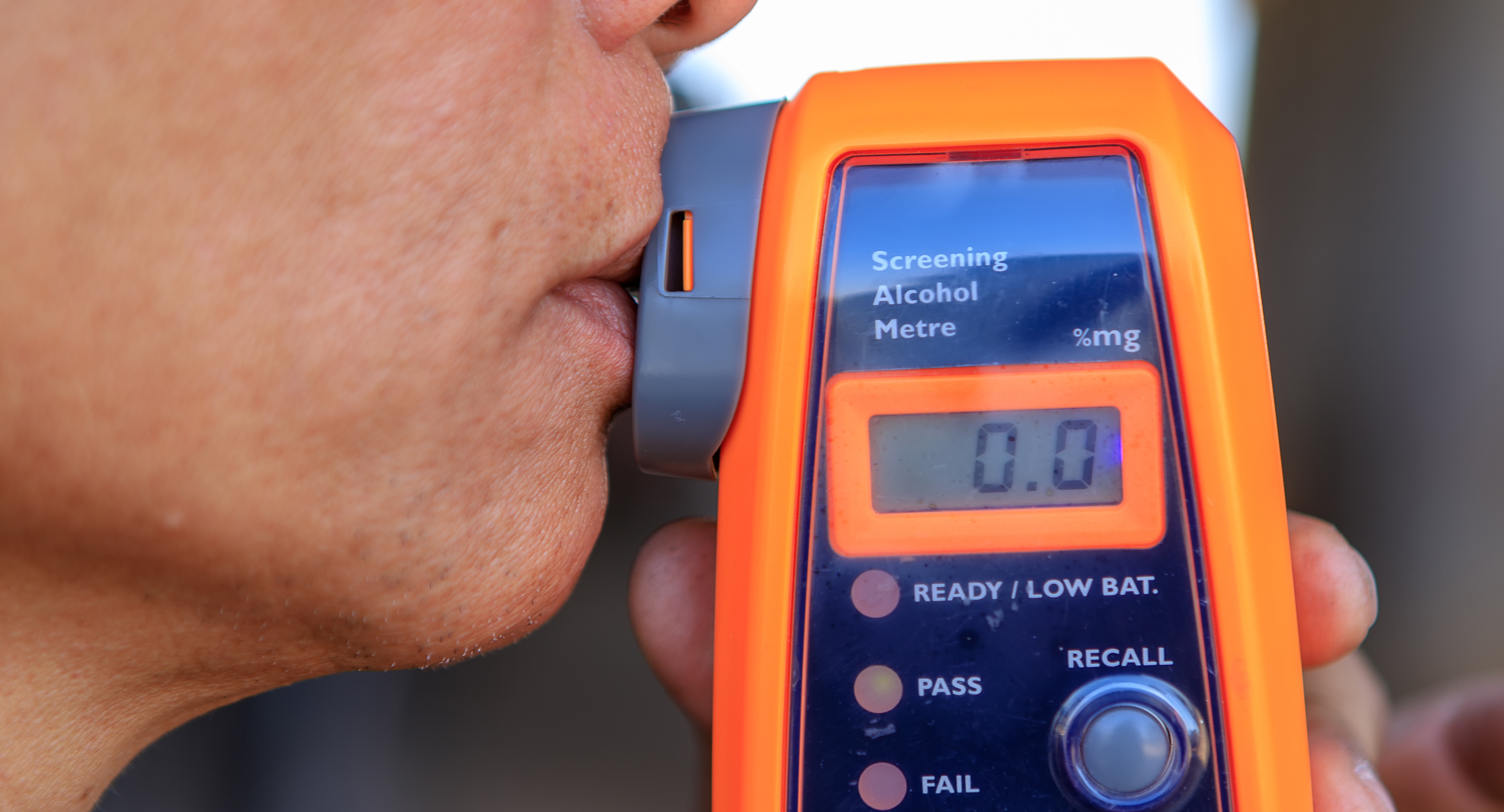
You'll be asked to take a breath, blood, or urine test.
- A BAC higher than 0.08 is considered legal intoxication
- Refusal leads to an automatic license suspension under the Texas Implied Consent Law
Three of our senior trial attorneys -- James Fletcher in Austin, Chris Denuna in Houston, and RC Pate in San Antonio -- are certified DWI scientists, having earned the designation of American Chemical Society Forensic Lawyer-Scientist. Five more of our attorneys are currently completing the training. To date, only 41 lawyers in Texas have earned this designation.
This advanced training helps us aggressively challenge BAC evidence, which can sometimes lead to a dismissal.
Magistration
Eventually, typically within about 24 hours of your arrest, you'll appear before a magistrate, who will inform you of the charges against you, advise you of your legal rights, and set your bail and release conditions. The magistrate will also ensure that, if you cannot afford an attorney, you'll be given the appropriate forms to request a court-appointed attorney. This is not an arraignment, so you will not enter a plea at this point. The process is an initial appearance and not an arraignment, so no plea is entered.
Your Driver's License may be Confiscated
If you fail or refuse a test, the officer issues a temporary driving permit (Form DIC-25). Your license is set for automatic suspension unless you fight it through an ALR hearing.
Travis, Bexar, Dallas, Harris, and Tarrant counties all have different processes and bail options.
The 15-Day Deadline: ALR License Suspension
A first DWI triggers a separate Administrative License Revocation (ALR) case.
You only have 15 days from the arrest date to request a hearing—miss it, and your suspension becomes automatic.
Suspension lengths
- Failed breath/blood test: 90 days
- Refused test: 180 days
At Michael & Associates, we handle the entire ALR process from start to finish. We have experienced attorneys who will represent you at your hearing (You probably won’t even have to attend.) We may be able to delay or prevent the suspension entirely. And if we can’t stop the suspension, we’ll help you obtain an Occupational Driver’s License.
How to Post Bail
Bail is a fixed amount of money you'll need to deposit with the court to be released from jail while your case is pending. It serves as a security deposit to ensure you'll appear in court as scheduled. In some jurisdictions, you may be able to be released on a "personal bond," which means you're released on your own recognizance (no financial payment is required aside from a nominal administrative fee).
Bail amounts can vary widely from county to county. If you can pay your bail in cash, you will need to make arrangements to do so, and you may need to call a friend or family member to help you. Some jurisdictions accept only certified checks or money orders. Others will also accept cash or credit cards. You'll get this money back (minus some fees) after your case has been resolved.
If your bail is too high to pay in full, you'll need to obtain a surety bond. You will pay a fee to a bail bond company (typically about 10% of your total bail), and they will post bail on your behalf. The bail bond fee is not refundable. Jails typically have lists of bail bond companies you can contact but cannot recommend specific companies. You'll be allowed to make phone calls, though some jurisdictions charge a fee for each call.
Criminal Penalties for a First DWI in Texas
Most first DWIs are charged as a Class B misdemeanor.
Standard First DWI (BAC < 0.15)
- Up to 180 days in jail (3 days mandatory if convicted)
- Up to $2,000 fine
- License suspension 90–365 days
- DWI Education Program
- Probation (typically 12–24 months)
- Drug/alcohol evaluations
- SR-22 high-risk insurance
Enhanced First DWI (BAC ≥ 0.15)
- Upgraded to a Class A misdemeanor
- Up to 1 year in jail
- Up to $4,000 fine
- Mandatory ignition interlock device, even on a first offense
What if There was an Accident?
If the DWI involved:
- Minor injury: Charges are upgraded to a Class A misdemeanor
- Serious bodily injury: Charges are elevated to 3rd-degree felony intoxication assault
- Death: Charged as 2nd-degree felony intoxication manslaughter
What Happens at Court
Court will be the next step. Your case moves through several stages:
1. Arraignment
During this process, you will be formally charged and enter a plea (usually "not guilty").
2. Evidence Review
Your attorney examines:
- Bodycam footage
- Breath/blood test records
- Probable-cause statements
- Field sobriety test performance
- Dashcam video
- Lab procedures and chain of custody
3. Negotiation or Suppression
Your attorney may fight to suppress:
- Invalid stops
- Faulty breath tests
- Blood draw issues
- Unlawful arrests
- Improper field sobriety test procedures
During this time, cases are most likely to be reduced or dismissed.
4. Resolution
Possible outcomes include:
- Case dismissal
- Reduction to a lesser charge (e.g., Obstruction of a Highway)
- Deferred adjudication (no final conviction if completed successfully)
- Straight probation
- Conviction
Long-Term Consequences of a First DWI
A first DWI can influence your life in ways many people don't expect:
- Permanent criminal record (DWIs cannot be expunged if convicted)
- Increased insurance rates
- Difficulty renting apartments
- Job issues for CDL holders, nurses, teachers, and government workers
- Travel restrictions to countries such as Canada
How a Lawyer Can Help on a First DWI
An experienced DWI attorney can often:
- Fight the ALR suspension
- Challenge the legality of the traffic stop
- Review bodycam and dashcam for procedural errors
- Challenge breath/blood testing
- Push for dismissal or reduction
- Secure deferred adjudication or record sealing (if eligible)
To get the best possible case outcome, you need to contact an experienced Texas DWI lawyer as soon as possible – ideally within 24 to 48 hours. This allows us to question whether your case was properly handled and fight for your driver’s license at the ALR hearing.
Contact us today for a free consultation.
FAQs
Will I go to jail for a first DWI in Texas?
Yes, but typically only for the amount of time you’re held in custody between your arrest and when you post bail. Most first-time offenders don’t serve any additional time. Even though a standard first DWI with no aggravating factors carries up to 180 days in jail, data shows that most first-time offenders who hire an attorney receive probation or a reduced charge.
If you’re convicted, Texas law requires a minimum 72-hour jail sentence, but this time is often credited for time you've already served.
How long will my driver's license be suspended after a first DWI?
Your license can be suspended before your criminal case even begins. The suspension length depends on whether you took or refused the chemical test. You will need to request an ALR hearing to fight the initial license suspension. Otherwise, the suspension becomes automatic about 40 days after your arrest.
Can a first DWI be dismissed in Texas?
Yes. We've gotten many of our clients' first DWIs dismissed or reduced. DWI cases have more attack points than almost any other misdemeanor. We can question the reason for your traffic stop, whether field sobriety tests were administered correctly, and investigate whether your blood samples were mishandled.
Sources
Michael & Associates research, Texas DWI and DUI glossary, Texas Department of Transportation, Texas Department of Public Safety, and the Texas Impaired Driving Task Force.