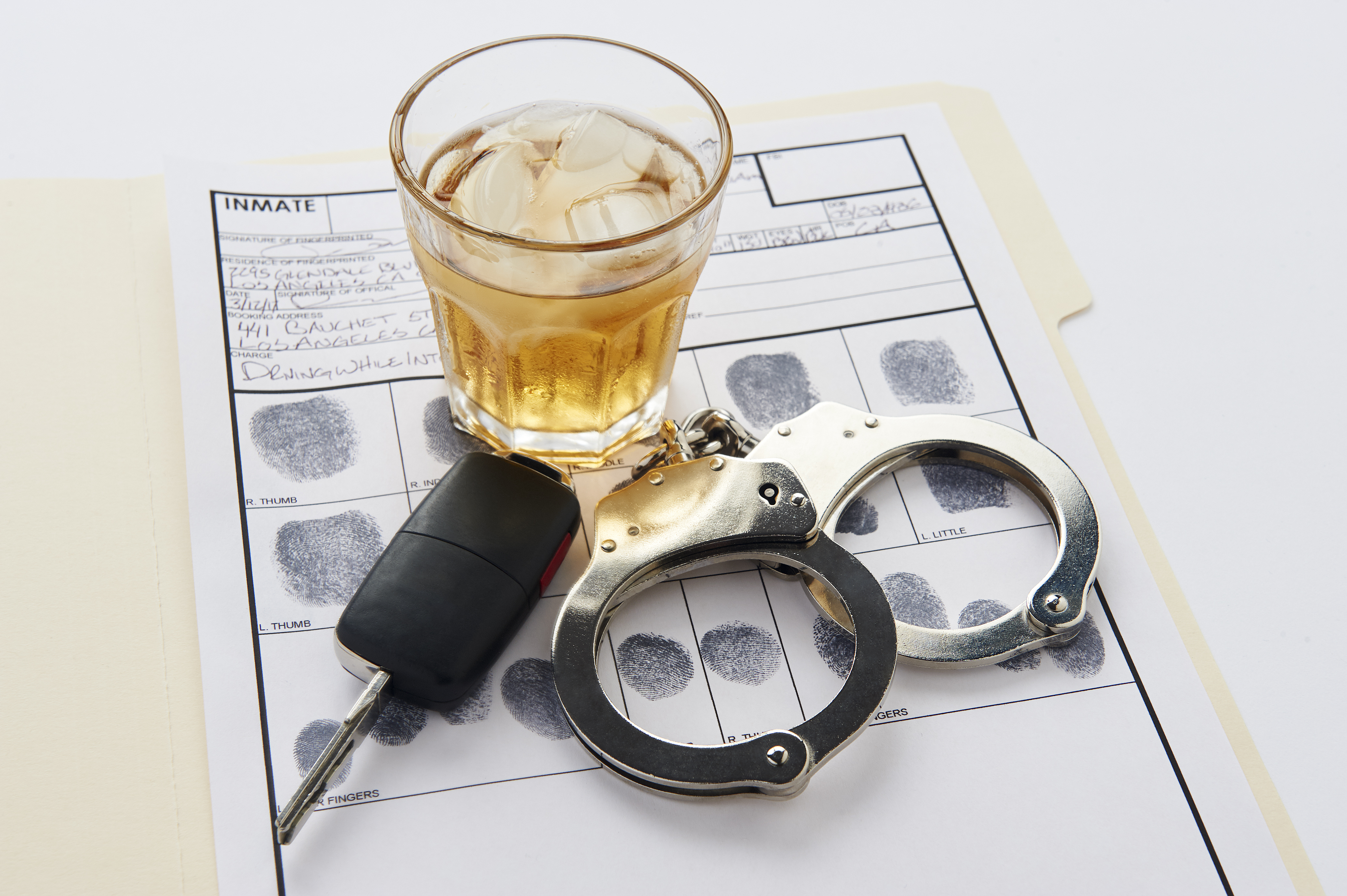
Short answer: No, simply sleeping in your car is not automatically a DUI in California. However, you can still be arrested and even convicted if police find evidence that you drove the vehicle while impaired before falling asleep. California requires proof of "volitional movement," not just "actual physical control" of the vehicle, which is the stricter standard used in many other states.
In California, merely sleeping in a vehicle while under the influence is not a DUI offense as long as there is no evidence of driving or volitional movement. To be convicted of a DUI in California, there must be proof of "volitional movement," meaning you must have driven the car before falling asleep behind the wheel; simply sleeping or sitting in your vehicle will not, by itself, lead to a DUI arrest.
That distinction matters a lot, and it's the reason this question doesn't have a simple yes-or-no answer. Here's how it actually works.
Experienced California DUI Lawyers
Sleeping-in-the-car DUI cases often turn on forensic and circumstantial evidence rather than direct observation. At Michael & Associates Criminal Defense Attorneys, our experienced DUI lawyers will evaluate body camera footage, dispatch records, witness statements, vehicle data, and scientific evidence to determine whether prosecutors can actually prove the required volitional movement. Attorneys across the firm, including lawyers pursuing or holding the ACS-CHAL Forensic Lawyer-Scientist designation, understand how to challenge the assumptions commonly relied upon in these highly fact-specific cases.
Call now to set up a free case review.
The Legal Standard: "Volitional Movement"
Unlike states that criminalize merely having "actual physical control" of a vehicle while intoxicated, California takes a different approach. Based on the ruling in Mercer v. Department of Motor Vehicles (1991), while a person can still get a DUI if the vehicle isn't in motion, proof of "volitional movement" is required for a conviction.
Volitional movement simply means the vehicle moved because of something the driver intentionally did, even if it only rolled a few inches.`
The California Supreme Court held in Mercer that a DUI conviction requires proof the defendant caused the vehicle to move, rejecting the broader "actual physical control" standard used in many other states.
Officers often evaluate facts that other states treat as evidence of "actual physical control," but under California law prosecutors must still prove volitional movement.
This means that there must be evidence the car actually moved under the person's control at some point.
Related: How much does a DUI cost in California?
Police Don't Need to Actually See You Driving
This is where the law gets complicated. California law also allows officers to arrest someone for DUI even if the officer did not personally witness the driving. Under Vehicle Code 40300.5, prosecutors may rely on circumstantial evidence rather than an officer's direct observation.
That means officers and prosecutors can build a case based on circumstantial evidence rather than an eyewitness account. Police will look for signs of recent driving activity, such as a warm engine or the car being on and in gear when they arrive, along with witness statements or the driver's admissions.
Does it Matter Where You’re Parked?
Yes. Where you park can significantly affect whether police investigate you for DUI or another offense. Sleeping legally in a parking lot or other safe location generally creates fewer concerns than stopping in a traffic lane, on a freeway shoulder, or anywhere that blocks traffic. Officers may view a vehicle parked in a hazardous location as evidence that it was recently driven while impaired.
Even if you're parked legally, police can still conduct a welfare check and investigate if they suspect DUI. Parking location alone does not determine guilt, but it is one of many facts prosecutors may use to argue that you drove while under the influence. Under California law, they must still prove you caused the vehicle to move, not simply that you were asleep inside it.
Common Scenarios
Every DUI case depends on its specific facts, but certain circumstances generally create more or less risk of arrest and prosecution. The table below illustrates how common situations may affect a sleeping-in-your-car DUI investigation under California law. Remember that prosecutors must still prove you caused the vehicle to move to obtain a DUI conviction.
|
Situation |
DUI Risk |
|
Sleeping in back seat, keys in trunk |
Lower |
|
Sleeping in driver's seat, engine off |
Moderate |
|
Driver's seat, engine running |
Higher |
|
Parked in traffic lane |
Higher |
|
Witness saw you drive before parking |
High |
Related: Minor in possession of alcohol charges in California
What Factors Increase Your Risk of a DUI Charge
Several details can shift a "just sleeping it off" situation into a DUI arrest:
- Where your keys are: One factor that can drastically influence the outcome of a DUI sleeping case is where the car keys are located, and prosecutors often argue that keys in or near the ignition are strong evidence of intent to drive, even if the car never moved.
- Where you’re sitting: Sleeping in the back seat with your keys in the trunk generally creates stronger evidence that you did not intend to drive.
- Engine temperature and gear position: A warm engine or a car left in "drive" or "park" (rather than fully off) can be used as circumstantial proof the vehicle was recently in motion.
- Where you’re parked: Being pulled over legally in a parking lot is very different from being found in a traffic lane or blocking the road.
What About Keyless Ignitions? Fobs & Phone-Start Apps
Modern vehicles complicate the "where are the keys" analysis, but they don't change the underlying legal test. The question courts ask isn't whether a metal key was in the ignition. It’s whether you had the ability to start or move the vehicle.
Key Fobs
Key fobs work the same way traditional keys do. As long as the fob is inside the vehicle, prosecutors may argue you had the ability to start the car immediately, which prosecutors may cite as evidence that you were in a position to move the vehicle.
Being in possession of the car keys or a push-to-start fob is something officers and prosecutors point to as evidence of the potential for volitional movement.
In practice, this means a keyless car can actually be riskier than a traditional one. The fob just has to be somewhere in the cabin to enable a push-button start, so it's easier to leave it “in reach” without realizing it.
Apps
Phone-based digital keys and remote-start apps raise the same issue. Many manufacturers now let you start, unlock, or even move a vehicle a short distance using a smartphone app instead of a physical key or fob. Legally, a phone functioning as your car's key is treated no differently than a physical key or fob for "control" purposes. If you have the phone with you and the app can start or move the car, that capability can be used as evidence you were in a position to operate the vehicle.
There is an important distinction, though, tied to California's volitional-movement rule discussed above: Just starting the engine remotely (without the car moving) doesn't, by itself, prove the vehicle was "driven" under California's stricter standard. However, it can still supply probable cause for an officer to investigate further, and it undercuts a defense built around "I never touched the car."
Using an app to actually move the vehicle (for example, using remote parking, or remote pull forward features that some vehicles now include) could satisfy California's movement requirement just like turning the key and rolling the car forward would. Under California law, a driver must cause the vehicle to actually move, even if the distance is slight, and the engine doesn't even need to be on for that movement element to be satisfied.
It’s worth noting that this same "control without touching the wheel" logic already comes up with driver-assist and autopilot features. If you're in the driver's seat with the ability to take control, officers will almost always argue you were driving. Phone-based start/move features raise a very similar risk, even for someone sitting outside the vehicle entirely.
In other words, "no physical key" is not a loophole. Put the fob or your phone out of reach (trunk, glovebox, or with a sober passenger), and never use remote-start or remote-move features while impaired, even from a distance.
Can You Still Be Arrested Even If You Weren't Driving?
Yes. Arrest and conviction are two different things. You can be asleep, parked legally, with no intention of driving, and still be arrested, because officers may rely on facts suggesting you recently drove or intended to drive while impaired, even if they never actually observed the vehicle moving.
The law also permits officers to conduct a welfare check on someone sleeping in a vehicle, and their observations during that check (for example, whether they smell alcohol) can supply the probable cause needed for further investigation.
But there’s some good news: These cases are highly fact-dependent and often rely on assumptions rather than hard proof, which makes them among the more defensible types of DUI cases with the right legal strategy.
What If I'm Not Charged With DUI — Can I Still Get in Trouble?
Possibly, under a different California law. Even if sleeping in a vehicle doesn't amount to a DUI, a driver can still potentially be charged with being drunk in public under California Penal Code 647(f). There's also an exception under VC 40300.6 if you're blocking the road in any way, and many counties or cities have local rules against sleeping in a car overnight, which can give an officer a separate reason to wake you up and investigate.
How to Reduce Your Risk If You Need to Sleep It Off
If you've been drinking or using another impairing substance, such as a prescription medication, and need to wait before driving, a few precautions can meaningfully reduce your legal risk:
- Park legally: Do not park in a travel lane, bike lane, or anywhere blocking traffic.
- Sleep in the back seat, not the driver’s seat: Sleeping in the back seat and putting your keys far away from the ignition helps show that you didn't drive at all before falling asleep.
- Keep keys away from the ignition and out of arm’s reach: Ideally, keys should be left in the trunk or glovebox, not your pocket while you're in the driver's seat.
- Turn the engine completely off
- When possible, avoid this situation by calling a sober friend or using a rideshare app instead.
Related: What are the penalties for DUID in California?
Frequently Asked Questions
Can I get a DUI just for sitting in my parked car if I'm drunk?
Not automatically. California requires proof of "volitional movement" — that you actually drove the car — for a DUI conviction. Simply sitting or sleeping in a parked car isn't illegal on its own.
Do police need to see me driving to arrest me for DUI?
No. Under VC 40300.5, officers can make a DUI arrest without witnessing the driving, using circumstantial evidence like a warm engine, key location, or your position in the vehicle.
Does it matter if I'm in the driver's seat versus the back seat?
Yes. Being in the driver's seat, especially with keys in or near the ignition, is treated as much stronger evidence that you intended to drive than sleeping in the back seat with keys out of reach.
Can I be charged with something else even if I avoid a DUI?
Yes. You could still face a public intoxication charge under Penal Code 647(f), particularly if you're in a public place and unable to care for your own safety.
Is it ever illegal to sleep in your car even if you haven't been drinking?
Local ordinances in some California cities and counties restrict overnight vehicle sleeping in certain areas, separate from DUI law. Check local rules if you plan to sleep in your car regularly.
What if my car doesn't use a physical key — does a key fob change anything?
No. Courts look at whether you had the ability to start and control the vehicle, not whether a metal key existed. A fob left inside the car can be treated the same as keys in the ignition, and since push-button start only needs the fob somewhere in the cabin, it's arguably easier to leave it "in reach" without meaning to.
What if I can start or move my car using a phone app?
The same logic applies. A phone acting as a digital key is treated like a fob for "control" purposes. Simply starting the engine remotely without moving the car likely isn't enough on its own to prove "driving" under California's volitional-movement standard, but it can still trigger police investigation. Actually moving the vehicle with a remote-park or remote-pull feature could satisfy California's movement requirement the same way physically driving it would.
Does it matter whether the engine is running?
Yes. A running engine can increase the likelihood of a DUI investigation, but it does not automatically mean you are guilty of DUI in California. Officers often view a running engine as circumstantial evidence that the vehicle was recently driven or was about to be driven, especially if you're in the driver's seat with the keys or key fob nearby. However, California law still requires proof of volitional movement for a DUI conviction. Simply sitting or sleeping in a parked car with the engine running is not enough by itself. Prosecutors must still prove that you caused the vehicle to move while under the influence, even if only a short distance.
The Bottom Line
Sleeping in your car doesn't automatically make you guilty of a DUI in California, thanks to the state's "volitional movement" requirement. But an arrest is still very possible, and the details, such as where you’re parked, where you're sitting, where your keys are, and whether the engine is warm or running, can make the difference between walking away and facing charges. If you've been arrested in this kind of situation, those same details are often exactly what a defense attorney will use to challenge the case.
At Michael & Associates Criminal Defense Attorneys, our California DUI lawyers examine every aspect of the evidence, from body camera footage and witness statements to vehicle data and forensic evidence, to challenge the prosecution's claim that you committed a DUI. We also help clients protect their driver's licenses by handling the separate California DMV APS process.
If you were arrested after sleeping in your car, don't assume a conviction is inevitable. Contact Michael & Associates today for a free consultation with a Senior Trial Attorney in Los Angeles, San Diego, Pasadena, or elsewhere in Southern California to discuss your case, your defenses, and the best strategy for protecting your future.
This article is for general informational purposes and reflects California law as of July 2026. It is not legal advice. If you've been arrested or are facing a DUI charge, consult a licensed California criminal defense attorney about the specifics of your situation.