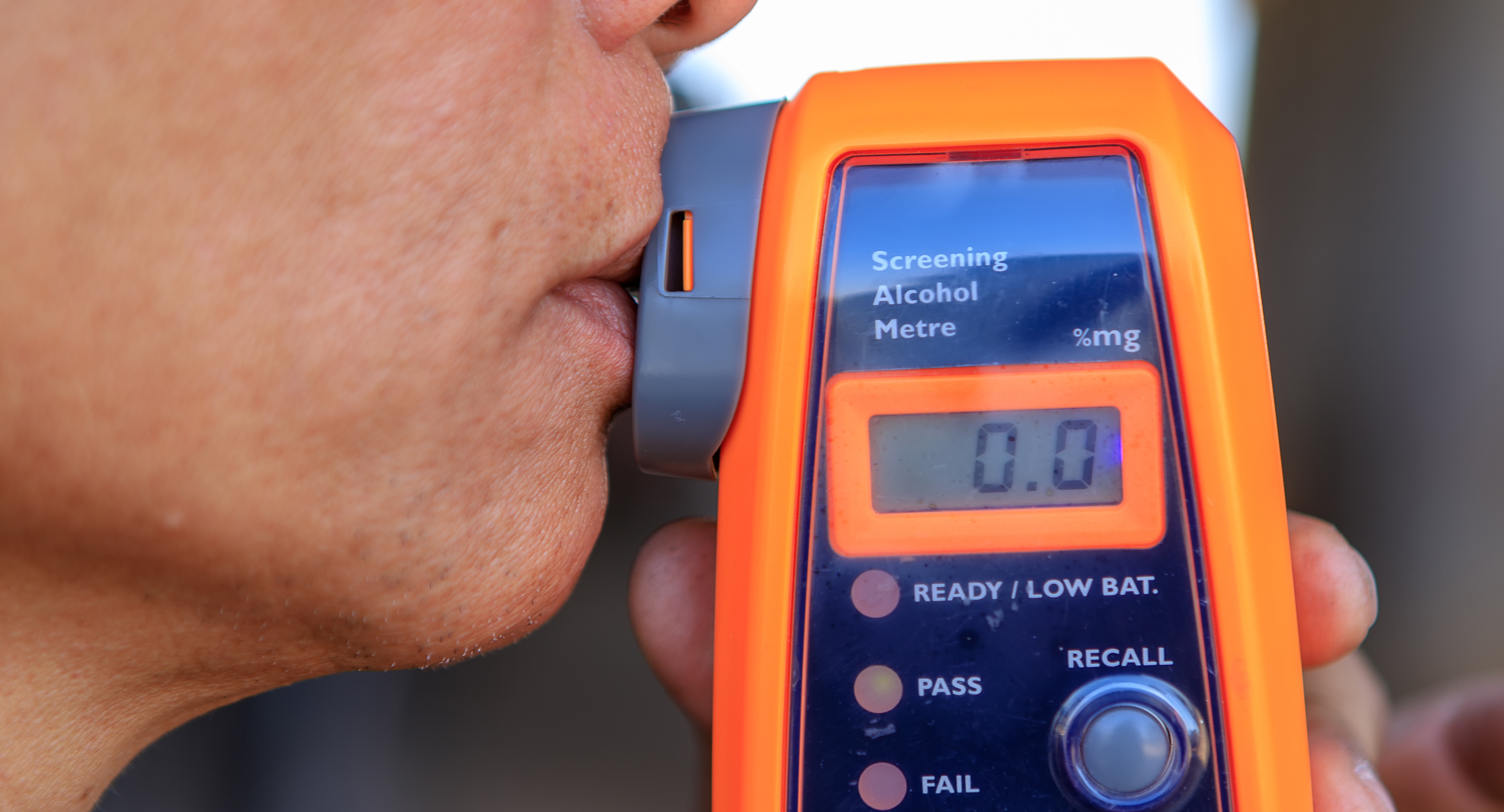
In Texas, the penalties for a DWI depend on your BAC level, prior history, and whether anyone was injured — but even a first offense can bring jail time, thousands in fines, and a driver’s license suspension. Beyond criminal penalties, you also face a separate driver’s license suspension through the ALR process, ignition interlock requirements, and a permanent criminal record.
A higher BAC (0.15+), repeat offenses, or cases involving a child passenger can escalate into felony charges with harsh long-term consequences.
Understanding these penalties early can help you protect your license, avoid jail, and improve your chances of getting the charges reduced or dismissed. Here’s a breakdown of what you can expect.
Key Takeaways
- Texas DWI penalties range from jail and fines to long-term felony consequences.
- BAC, prior history, and whether anyone was hurt determine the severity.
- A conviction stays on your record permanently.
Penalties for a First DWI in Texas
A first DWI is typically classified as a Class B misdemeanor, but the consequences can still be severe.
Standard first offense:
- 72 hours to 180 days in jail
- Up to $2,000 in fines
- License suspension: 90 days to 1 year
- Annual DPS surcharge (varies under Texas Driver Responsibility Program changes)
- Alcohol education class
- Possible ignition interlock if BAC was high or as a bond condition
If your BAC is 0.15 or higher:
The charge increases to a Class A misdemeanor, which brings:
- Up to 1 year in county jail
- Up to $4,000 in fines
- Mandatory ignition interlock in many cases
It’s important to understand that in Texas, DWI and DUI mean different things. A DUI charge is considered less severe, is a Class C misdemeanor, and applies only to people under age 21.
Penalties for a Second DWI
A second DWI is a Class A misdemeanor, and Texas law assumes you know better by now, so the punishment increases sharply.
- 30 days to 1 year in jail
- Up to $4,000 in fines
- License suspension: 180 days to 2 years
- Ignition interlock device (IID) required
- Possible long-term probation, alcohol treatment, or community service
Penalties for a Third or Subsequent DWI
A third DWI is a third-degree felony, and the consequences become life-altering.
- 2 to 10 years in prison
- Up to $10,000 in fines
- License suspension: 180 days to 2 years
- Felony record for life
- Mandatory ignition interlock if granted probation
DWI With a Child Passenger
Driving intoxicated with a child under 15 in the car is an automatic state jail felony.
- 180 days to two years in state jail
- Up to $10,000 in fines
- Separate charges for child endangerment
Even first-time offenders can face felony consequences.
Intoxication Assault
If someone is seriously injured as a result of intoxicated driving, charges are elevated to a third-degree felony.
- 2 to 10 years in prison
- Up to $10,000 in fines
If the victim is a peace officer or firefighter, the charge can be enhanced.
Intoxication Manslaughter
If someone dies in a crash involving an intoxicated driver, the charge becomes intoxication manslaughter, a second-degree felony.
- 2 to 20 years in prison
- Up to $10,000 in fines
- Lifetime consequences
Judges often impose strict conditions, including ignition interlock devices and alcohol monitoring.
Driver’s License Penalties (ALR Process)
Texas’s Implied Consent law states that by driving, you automatically consent to chemical testing if a police officer has probable cause for DWI. Refusing will trigger administrative penalties, including the suspension of your driver’s license.
You can lose your license for:
- Refusing a blood or breath test: 180 days to 2 years
- Failing a test (BAC 0.08+): 90 days to 1 year
This license suspension happens through an Administrative License Revocation (ALR) process. To prevent the automatic license suspension, you must request an ALR hearing within 15 days of your DWI arrest. It’s worth challenging the suspension. Data shows that the chances of a dismissal are better than you might think.
The ALR is a civil process, not a criminal one. It's separate from any criminal court proceedings, meaning your license could actually be suspended twice.
Additional Consequences
A conviction may also bring:
- Ignition interlock requirements
- SR-22 insurance (high-risk insurance for 2+ years)
- Probation conditions like classes, drug testing, and community service
- Permanent criminal record that cannot be expunged
- Employment and housing challenges
- Travel restrictions (including some international travel bans)
Can a DWI Be Removed From My Record?
A DWI conviction cannot be expunged in Texas. It will remain on your record permanently.
However, Deferred Adjudication may allow some people to seal their record through an Order of Nondisclosure, depending on their case details. This means that your DWI would only be visible to police and certain state agencies.
FAQs
How long does a DWI stay on my record in Texas?
A DWI conviction stays on your record forever in Texas. It cannot be expunged. However, if your case is dismissed or you receive Deferred Adjudication, you may qualify to seal the record with an Order of Nondisclosure. This can limit who can see it, including most employers and landlords.
What’s the difference between jail time and probation for a DWI?
Most first-time DWI offenders receive probation instead of jail, depending on the facts of the case. Probation may include classes, community service, drug testing, and an ignition interlock device. Jail time may still be required for higher BAC levels or repeat offenses, but much of it can often be avoided with the right defense strategy.
Will I lose my driver’s license after a DWI arrest?
Possibly. Texas’s Implied Consent law means the state can suspend your license through the Administrative License Revocation (ALR) process.
- Failing a test: 90 days – 1 year
- Refusing a test: 180 days – 2 years
You have 15 days from the date of arrest to request a hearing to challenge the suspension.
Sources
Michael & Associates research, Texas DWI and DUI glossary, Texas Department of Transportation, Texas Department of Public Safety, and the Texas Impaired Driving Task Force.