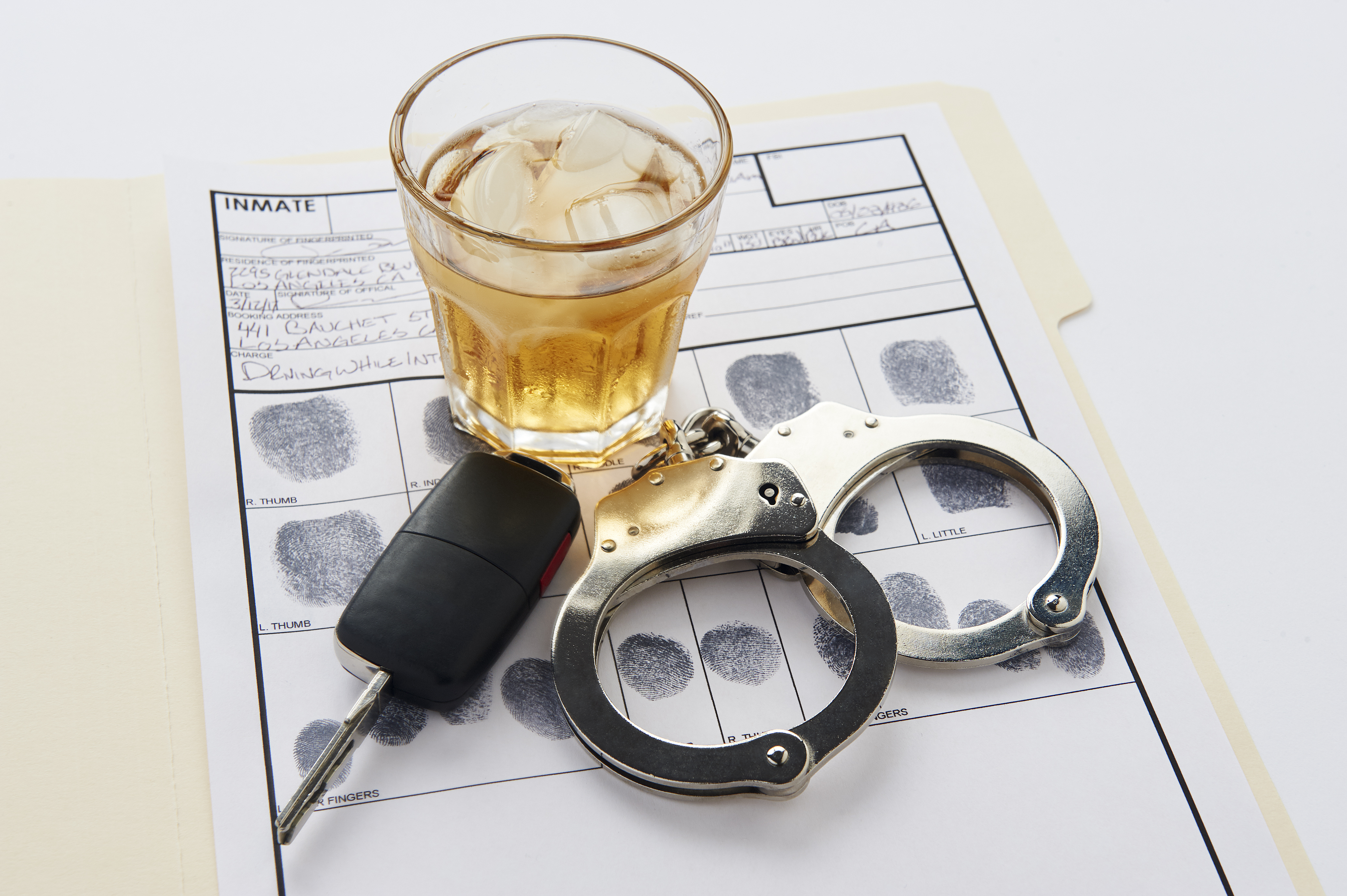
Yes. Under California Vehicle Code 23152(f), you can be arrested and charged with a California prescription drug DUI if a medication impairs your ability to drive safely, even when the medication was legally prescribed. Having a valid prescription is not a defense if prosecutors can prove you were driving under the influence of prescription drugs or another substance that affected your mental or physical abilities.
Many drivers mistakenly believe only alcohol or illegal drugs lead to DUI charges. In reality, California DUID laws apply to prescription medications, over-the-counter drugs, marijuana, and illegal controlled substances whenever they impair safe driving.
Understanding how the law applies to prescription medication can help you avoid a charge or understand your options if you're already facing one.
California Prescription Drug DUI Lawyer
At Michael & Associates Criminal Defense Attorneys, our California DUI lawyers defend clients accused of driving under the influence of prescription medications, over-the-counter drugs, and other substances alleged to have caused impairment.
Our DUI team includes attorneys experienced in defending cases involving blood testing, prescription medications, Drug Recognition Expert evaluations, and forensic toxicology. Several of our attorneys have completed (or are in the process of completing) advanced training in forensic chemistry, gas chromatography, toxicology, blood and drug testing, and other scientific principles frequently involved in DUI cases.
If you’re facing allegations of driving under the influence of prescription or over-the-counter medications, contact us today for a free case review.
What Is a Prescription Drug DUI?
A prescription drug DUI occurs when a driver is impaired by medication to the point they can no longer operate a vehicle with the caution expected of a sober driver. Unlike with alcohol, there is no official "legal limit." If police believe you're exhibiting signs of impairment, you're at risk of an arrest.
The Law: California Vehicle Code 23152
California Vehicle Code 23152(f) VC criminalizes driving under the influence of drugs (or DUID), which is defined as being unable to drive sober due to any drug, including legally prescribed or over-the-counter medications. Additionally, the code includes a related section, VC 23152(g), which covers driving under the *combined* influence of alcohol and drugs.
The key legal question isn’t whether you had a valid prescription. Instead, it’s whether the drug impaired your ability to drive with the same care as a sober person under similar circumstances. Legally prescribed medications can result in drug DUI charges if they impair driving ability, and there is no numerical threshold to satisfy the way there is for alcohol.
In other words: there's no "legal limit" for most prescription drugs the way there is a 0.08% blood alcohol concentration (BAC). It comes down to observed impairment, officer testimony, field sobriety tests, and toxicology results.
Which Prescription Drugs Can Lead to a DUI?
A wide variety of medications can impair driving and support a California prescription drug DUI charge. Prosecutors typically focus on whether the medication affected the driver's alertness, judgment, reaction time, coordination, or ability to safely operate a vehicle rather than whether the medication was legally prescribed.
According to the U.S. Food and Drug Administration, common medications involved in drug-impaired driving investigations include:
- Prescription opioids (oxycodone, hydrocodone, morphine)
- Benzodiazepines (Xanax, Valium, Ativan)
- Sleep medications (Ambien, Lunesta)
- Muscle relaxants
- Central nervous system depressants
- Certain antidepressants and antipsychotic medications
- ADHD stimulant medications (Adderall, Ritalin) when they contribute to impairment
- Antihistamines, including diphenhydramine (Benadryl)
- Multiple medications taken together (polypharmacy), which can increase drowsiness, confusion, and other adverse medication effects
Marijuana is treated similarly. Although recreational cannabis is legal in California, drivers may still be arrested for driving under the influence of drugs if prosecutors can prove the substance impaired their ability to drive safely.
Additionally, some over-the-counter liquid medications, including certain cold medicines and medicated throat sprays, contain alcohol that can temporarily create "mouth alcohol." If used immediately before a breath test, they may artificially increase a preliminary breath test reading. Although this does not necessarily indicate true alcohol intoxication, it can complicate a DUI investigation when law enforcement is evaluating whether a driver was impaired by alcohol, prescription medications, or a combination of drugs and alcohol.
But I Have a Prescription — Isn't That a Defense?
No. This is the single most misunderstood part of California's drug-DUI law. It is not a defense that you were entitled to use that particular drug or needed it for a medical condition. California law doesn't care whether the drug was legal for you to take. What matters is whether it impaired your driving while you were behind the wheel.
That means a driver who took medication exactly as prescribed, at the correct dosage, can still be arrested and convicted if a prosecutor proves impairment.
Can I Get a DUI for Taking Medication Exactly as My Doctor Prescribed?
Yes. Taking medication exactly as prescribed does not prevent law enforcement from making an arrest if an officer believes the medication impaired your driving. Prosecutors must still prove that your mental or physical abilities were affected enough to make you unable to drive with the caution of a sober person under similar circumstances.
Many California prescription drug DUI cases involve lawful medications prescribed for anxiety, chronic pain, insomnia, ADHD, or other medical conditions. The central legal issue is not whether the medication was legally obtained but whether the evidence demonstrates actual impairment while driving.
Many medications won’t affect your ability to drive. However, certain OTC and prescription medications may have side effects that make it unsafe to get behind the wheel.
According to FDA.gov, those side effects can include:
- Sleepiness/drowsiness
- Dizziness
- Blurred vision
- Slow or uncoordinated movements
- Fainting
- Inability to focus or pay attention
- Nausea
- Excitability
Many prescription medications include FDA warnings advising patients not to drive or operate heavy machinery until they understand how the medication affects them.
Some of these medicines may only affect your ability to drive for a short time after you take them. Effects of other medications can sometimes last for several hours and even into the next day. It’s important to research any new medications before getting behind the wheel.
Prescription Drug DUI vs Alcohol DUI
Although both offenses are prosecuted under California Vehicle Code 23152, prescription drug DUIs and alcohol DUIs are proven differently. Alcohol cases often rely on a driver's blood alcohol concentration (BAC), while prescription drug DUI cases typically depend on toxicology evidence, officer observations, field sobriety tests, and other evidence of actual impairment.
| Prescription Drug DUI | Alcohol DUI |
|---|---|
| No legal concentration limit applies. | A BAC of 0.08% or higher creates a legal presumption of impairment for most adult drivers. |
| Prosecutors typically rely on toxicology evidence, officer observations, and other signs of impairment. | Cases often rely on breath or blood alcohol testing to establish BAC. |
| Officer observations and evidence of impairment are especially important because prescription drugs affect people differently. | BAC results are often the central piece of evidence, along with officer observations and field sobriety tests. |
| The effects of prescription medications vary depending on the drug, dosage, individual tolerance, and interactions with other substances. | The effects of alcohol impairment are well studied and supported by decades of scientific research. |
How Prosecutors Prove a Prescription Drug DUI
Unlike alcohol cases, there is no universally accepted numerical limit for most prescription medications. Instead, prosecutors must prove drug impairment through the totality of the evidence. Medication affects every driver differently based on dosage, metabolism, tolerance, age, body weight, medical conditions, and interactions with other medications.
Evidence commonly includes:
- Driving behavior observed before the traffic stop
- Officer observations regarding speech, balance, coordination, and appearance
- Standardized field sobriety tests
- Body-worn camera and dash camera footage
- Blood testing and toxicology analysis, and in some circumstances urine testing
- Statements made by the driver
- Testimony from a Drug Recognition Expert (DRE) who evaluates whether a driver's physical signs and symptoms are consistent with impairment by a particular category of drugs
Because these cases often depend on toxicology evidence, medication interactions, and subjective observations rather than a single chemical test result, California DUI defense attorneys frequently challenge whether prosecutors can actually prove impairment beyond a reasonable doubt.
Why Forensic Science Matters in Prescription Drug DUI Cases
Prescription drug DUI cases often hinge on complex scientific evidence rather than a single chemical test or numerical limit. Prosecutors may rely on blood test results, toxicology reports, medication concentrations, alleged drug interactions, and testimony about whether a particular medication could have impaired driving. Interpreting that evidence requires an understanding of forensic chemistry, pharmacology, and toxicology.
At Michael & Associates Criminal Defense Attorneys, forensic science is a core part of our DUI defense practice. Two of our attorneys have earned the ACS-CHAL Forensic Lawyer-Scientist designation through the Chemistry and the Law Division of the American Chemical Society, and numerous additional attorneys are completing the rigorous coursework required to obtain the credential. This advanced training focuses on forensic chemistry, toxicology, chromatography, blood and drug testing, and the scientific principles frequently involved in DUI and drug-impaired driving prosecutions.
That scientific background helps our attorneys critically evaluate laboratory procedures, toxicology findings, medication metabolism, chain of custody, and expert testimony. When defending clients accused of driving under the influence of prescription drugs, we examine not only whether a medication was present, but whether the available scientific evidence actually supports the prosecution's claim that it caused impairment at the time of driving.
Penalties for a Prescription Drug DUI in California
A drug DUI conviction is usually charged as a misdemeanor and can result in up to six months in jail, a fine of up to $1,000, up to three years of probation, mandatory DUI school, and community service. It can be elevated to a felony if someone was injured, or if the driver has a prior felony DUI or at least three prior misdemeanor DUI convictions.
Beyond criminal penalties, a conviction typically also brings:
- Driver’s license suspension
- Higher auto insurance rates
- A permanent criminal record (unless eligible for expungement)
Related: What are the penalties for a first DUI in California?
Frequently Asked Questions
Is there a blood level limit for prescription drugs like there is for alcohol (0.08%)?
No. Most drug DUIs in California don't have a numerical "per se" limit. Prosecutors have to show actual impairment through observation and testing rather than a single number.
Can over-the-counter drugs like Benadryl cause a DUI?
Yes. Any substance, whether it’s prescription, over-the-counter, or illegal, that impairs your nervous system, brain, or muscles enough to affect safe driving can support a DUI charge under VC 23152(f).
What should I do if I'm charged with a prescription drug DUI?
Because these cases often hinge on subjective evidence (officer observations, timing of the dose relative to driving, individual tolerance), it's worth speaking with a California DUI defense attorney who can evaluate the toxicology evidence and arrest circumstances in your specific case.
Does a prescription drug DUI show up the same way as an alcohol DUI on my record?
Generally, yes. Both are charged under Vehicle Code 23152, and both carry similar misdemeanor penalties for a first offense, though specific consequences can vary by county and circumstances.
Can I drive after taking Xanax?
Maybe. Xanax (alprazolam) can cause drowsiness, slowed reaction time, impaired judgment, and reduced coordination. Under California Vehicle Code 23152(f), you can be charged with a DUI if Xanax impairs your ability to drive safely, even if you have a valid prescription and took it as directed. At Michael & Associates Criminal Defense Attorneys, your attorney will evaluate the toxicology evidence, dosage, timing, and other factors to determine whether the prosecution can actually prove impairment.
Can I get a DUI for taking Adderall?
Yes. Although Adderall is legally prescribed to treat ADHD, it can still lead to a California prescription drug DUI if prosecutors believe it impaired your driving. Unlike alcohol, there is no legal blood concentration limit for Adderall. Instead, the State must prove actual impairment through officer observations, field sobriety tests, toxicology evidence, and other circumstances.
Can I get a DUI for taking pain medication?
Yes. Prescription opioids such as oxycodone, hydrocodone, morphine, and similar pain medications can support a DUI charge if they impair your ability to drive safely. Having a prescription is not a legal defense. Michael & Associates' attorneys carefully review blood testing, medication levels, toxicology reports, and the circumstances of your arrest to challenge allegations of drug impairment whenever the evidence does not support the charge.
Can I refuse a blood test?
Refusing a chemical test after a lawful DUI arrest can result in additional penalties under California's implied consent law, including driver's license consequences and enhanced criminal penalties. Whether a refusal was lawful depends on the specific circumstances of your case. An experienced California DUI attorney can review whether officers followed the legal requirements before requesting the test.
Will my doctor be notified after a prescription drug DUI arrest?
Generally, no. California law does not automatically require law enforcement to notify your prescribing physician after a prescription drug DUI arrest. However, your medical records or prescription history could become relevant if they are lawfully obtained during the investigation or litigation. If you're facing a prescription drug DUI, Michael & Associates can explain how medical evidence may affect your defense.
Can prescription drugs make me fail field sobriety tests?
Yes. Many prescription medications, including benzodiazepines, sleep medications, muscle relaxants, opioids, and some antidepressants, can affect balance, coordination, reaction time, and eye movements used during standardized field sobriety tests. Because these tests are subjective, Michael & Associates examines body camera footage, officer observations, toxicology evidence, and forensic science to determine whether the results actually demonstrate impairment or are consistent with the normal effects of a prescribed medication.
The Bottom Line
Even when it's medically prescribed, if a medication affects your ability to drive the way alcohol would, California treats it the same way alcohol impairment is treated. The safest approach is to talk with your prescribing doctor or pharmacist about how a new medication or dosage change might affect your reaction time, alertness, or coordination before you get behind the wheel.
Speak With an Experienced California Prescription Drug DUI Lawyer
If you’ve been accused of driving while under the influence of a legally prescribed drug, or an over-the-counter medication, you need to speak with an experienced California DUID attorney as soon as possible.
Because prescription drug DUI cases often depend on toxicology evidence, medication effects, officer observations, and field sobriety testing, an experienced California DUI defense attorney can evaluate whether the prosecution can actually prove impairment beyond a reasonable doubt.
Contact Michael & Associates Criminal Defense Attorneys for a free consultation. Our attorneys defend cases involving prescription medications, blood testing, toxicology evidence, and alleged drug impairment.