You can be charged with an under-the-limit DWI in San Antonio even if your breath or blood test showed a blood alcohol concentration (BAC) below 0.08%. In Texas, prosecutors do not always need a BAC of 0.08 or higher if they claim you lost the normal use of your mental or physical faculties because of alcohol, drugs, medication, or a combination of substances.
An "under the limit DWI" is not a separate offense. It's a common way to describe a DWI case where the alcohol concentration is below the per se legal limit, but the charge is still usually filed under Texas Penal Code § 49.04.
While a low BAC may be helpful to the defense, it does not automatically end the case. But the State still needs to prove that you were intoxicated while operating a motor vehicle in a public place, even if the test result was below the legal limit.
Under the Limit DWI Attorney in San Antonio, TX
If you were arrested for DWI with a BAC under 0.08%, don't assume the case is weak or easy just because the BAC is low. You'll still need to review your case carefully.
The officer may have claimed you were impaired based on driving behavior, speech, balance, eye movement, statements, or roadside testing. With low-BAC DWI cases, prosecutors may rely on the officer's observations, video evidence, standardized field sobriety tests, drug evidence, or medication evidence.
If you want to build a strong defense, Michael & Associates can help. Our DWI lawyers in San Antonio can start by comparing the officer's claims to the actual evidence. We can review the video, police report, test results, lab records, and the timeline from driving to testing. We can also look at medical issues or prescription medication that may explain what the officer saw.
We'll check whether the officer's claims of impairment match the video, test results, report, and your actual condition during the stop.
Can You Get a DWI in San Antonio if Your BAC Is Under .08%?
Yes. A BAC under 0.08% does not prevent a DWI arrest or charge in San Antonio. Prosecutors can pursue a DWI case by claiming intoxication through the loss of normal faculties.
Under Texas Penal Code § 49.04, a person can be charged with DWI by operating a motor vehicle while intoxicated in a public place.
Texas Penal Code § 49.01 defines intoxication as either:
- Having an alcohol concentration of 0.08 or more; or
- Not having the normal use of mental or physical faculties because of alcohol, drugs, a controlled substance, a dangerous drug, a combination of substances, or another substance.
According to the National Highway Traffic Safety Administration (NHTSA), driving impairment begins long before a driver hits the legal limit of .08%. Their BAC effects chart states that at 0.02 BAC, drivers may experience a decline in visual functions and a reduced ability to perform two tasks at the same time.
That's why a person can still be arrested and prosecuted for DWI even when a breath or blood test is below 0.08%. But the State still has to prove intoxication, and the defense can challenge whether the officer's observations truly show a loss of normal mental or physical faculties.
The arresting officer may claim you were intoxicated based on:
- Poor driving, weaving, speeding, or delayed reactions
- Red, watery, or glassy eyes
- Smell of alcohol
- Slurred speech
- Balance problems
- Confusing or inconsistent answers
- Statements about alcohol, drugs, or medication
Field Sobriety Tests in an Under-the-Limit DWI Case
If the BAC is below 0.08%, prosecutors may lean more on the officer's interpretation of roadside testing.
The officer may use the following standardized field sobriety tests:
- Horizontal Gaze Nystagmus (HGN): An eye test where the officer looks for involuntary jerking of the eyes.
- One-Leg Stand: A balancing test where the officer looks for swaying, hopping, putting the foot down, or using arms for balance.
- Walk-and-Turn: In this heel-to-toe walking test, the officer checks your balance, coordination, and ability to follow instructions.
Note: Roadside field sobriety tests are different from a breath or blood test. They depend on instructions, conditions, officer training and scoring, and the person's physical condition. Your lawyer should review the video because it may show whether the officer's report matches what actually happened.
Breath and Blood Testing Issues When BAC Is Under 0.08%
If the BAC is under 0.08%, prosecutors may argue that the test happened later, the person's alcohol level was different while driving, or that alcohol wasn't the only substance involved.
The defense should review when the stop happened, when the arrest happened, when the test was taken, and whether the timeline supports the prosecutor's theory.
Breath testing issues may include:
- Machine maintenance
- Calibration records
- Observation periods
- Mouth alcohol (any residual alcohol that lingers on teeth or dental work after consuming an alcoholic beverage, mouthwash, or certain medications)
- Operator procedure
- Testing environment
- Whether the result fits the rest of the evidence
Blood testing issues may include:
- Whether there was a warrant or valid consent
- How the blood was drawn
- Chain of custody
- Storage conditions
- Lab handling
- Toxicology reporting
- Whether the report matches the arrest timeline
Refusing a breath or blood test after a DWI arrest can create a separate license issue through the Administrative License Revocation process. Request the ALR hearing as soon as you receive a DWI-related license suspension notice.
In many DWI cases, the hearing request deadline is 15 days. Texas Department of Public Safety generally denies late hearing requests, and the suspension can go into effect on the 40th day after notice.
Under-the-Limit DWI Involving Drugs or Prescription Medication
A low BAC does not rule out a DWI allegation if the officer suspects drugs or medication.
These cases may involve:
- Marijuana
- Prescription medication
- Sleeping pills
- Anxiety medication
- Over-the-counter medicine
- Controlled substances, or
- A mix of alcohol and medication
A person may have taken a lawful prescription and still be accused of DWI if the officer believes the medication affected driving. The State must still prove that the medication caused intoxication while the person was operating a motor vehicle. Additionally, in some cases, tiredness, stress, medical symptoms, or nervousness can be interpreted as impairment.
Drug-based DWI cases can be more subjective than alcohol-only cases. That's because many substances do not have a simple 0.08%-style legal limit.
Your defense attorney should review toxicology records, dosage timing, prescriptions, medical history, officer training, and whether the State can prove the substance actually caused intoxication while you were driving.
Penalties for Under the Limit DWI in San Antonio
Since it's still charged under Texas Penal Code § 49.04, under-the-limit DWI can carry the same punishment range as a regular DWI.
Here are a few examples of possible penalties depending on the charge:
|
Offense |
Possible Charge Level |
Possible Penalties |
|
Class B misdemeanor |
Up to $2,000 fine, up to 180 days in jail upon conviction, with a minimum jail term of 72 hours. |
|
|
First DWI with an open container |
Class B misdemeanor |
Usually similar to a first DWI, but the minimum jail term increases to 6 days. |
|
Class A misdemeanor |
Up to $4,000 fine and 30 days to 1 year in county jail |
|
|
Third or subsequent DWI (§ 49.09) |
Third-degree felony |
Up to $10,000 fine and 2 to 10 years in prison |
|
DWI with a child passenger (§ 49.045) |
State jail felony |
Up to $10,000 fine and 180 days to 2 years in state jail |
A DWI conviction may trigger additional state-imposed costs and surcharges under Texas law, depending on the offense and date of conviction. (Texas Transportation Code § 709.001).
Possible Defense Strategies for Under the Limit DWI
Depending on the facts of the DWI case, possible defense issues may include:
- The stop was not legally justified
- The person didn't operate a motor vehicle in a public place
- Normal behavior was misread as impairment
- Field sobriety tests were not properly explained or scored
- The video does not match the police report
- The test result does not support the State's timeline
- Medical issues affected speech, balance, eyes, or coordination
- Fatigue, anxiety, injury, or weather affected performance
- Prescription medication was taken lawfully and did not cause intoxication
- The State can't prove intoxication
- The chemical test has maintenance, procedure, chain-of-custody, or lab issues
Real World Under the Limit DWI Case Outcome
Charge: DWI - First Offense
Location: Bexar County
Allegations: Police approached our client while dealing with a flat tire and initiated a DWI investigation. The client agreed to a blood draw at a hospital, which later came back at 0.00 for alcohol. The officer then pursued a drug screen that dragged on for months without clarity. We secured the lab records, pressed for full discovery, and highlighted the weak indicators of impairment given the mechanical issue and handling of the roadside evaluation. We monitored for any warrant activity and kept pressure on the reviewing attorney to make a charging decision. After the evidence was reviewed, the case was dismissed.
Result: Case Dismissed
Note: Past results do not guarantee or predict a similar outcome. Every case depends on its own facts, evidence, court, prosecutor, and legal issues.
Helpful DWI Resources
- NHTSA DWI Detection and Standardized Field Sobriety Test Resources: NHTSA provides DWI detection and standardized field sobriety test training materials, including manuals and course resources used in officer training.
- Texas DPS Administrative License Revocation Hearing Request: Allows eligible drivers to request an ALR hearing after a DWI-related license suspension notice.
- Mothers Against Drunk Driving (MADD): This explains MADD's online Victim Impact Panel program for eligible participants.
- Bexar County Criminal Court Records and Dockets: Online access to criminal court case records, Central Magistrate search, and court dockets in Bexar County.
San Antonio DWI Lawyer for Under the Limit DWI
If your BAC was under 0.08%, and you were still arrested for DWI in San Antonio, that low number may be one of the most important facts in your case. But it still needs to be weighed against the officer's observations, video, field sobriety tests, test timeline, and the State's theory of intoxication.
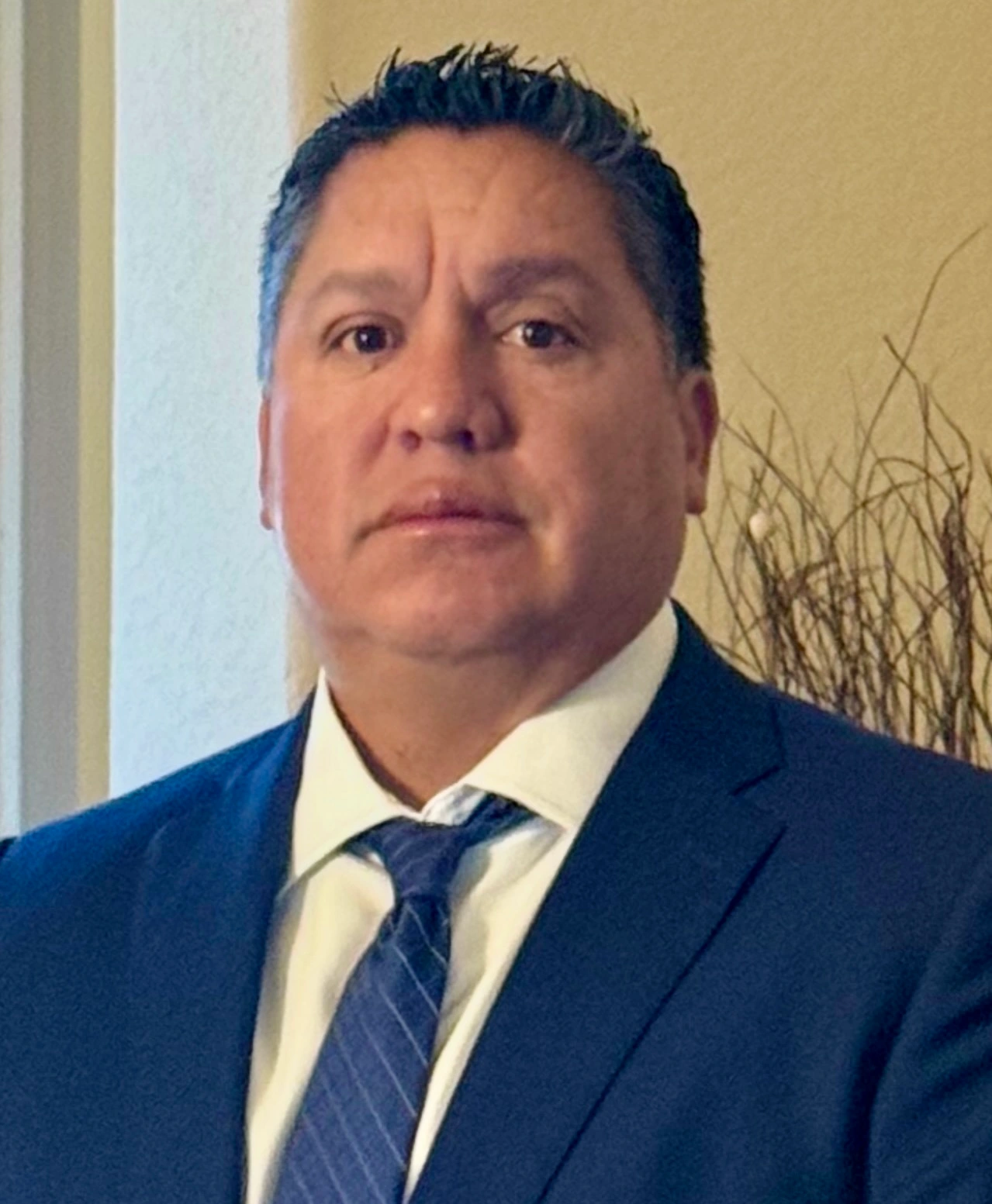
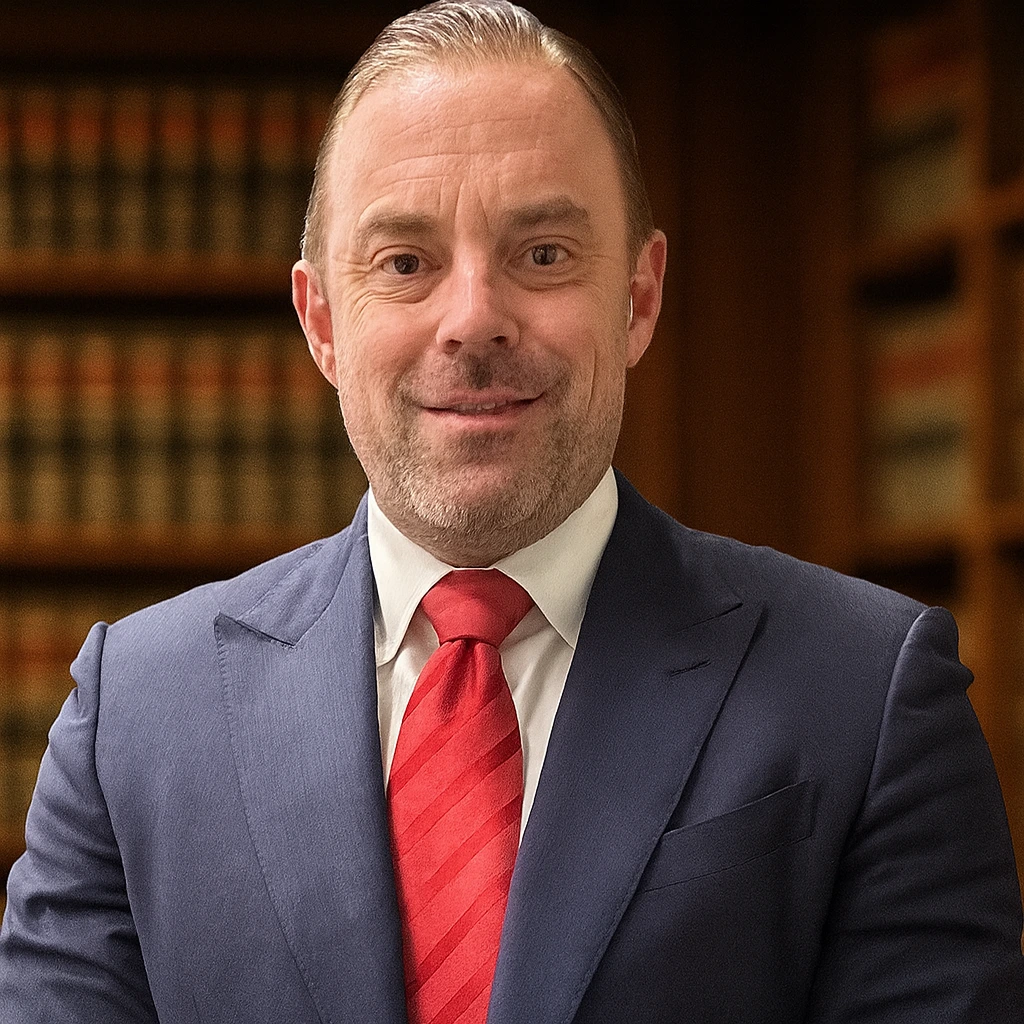
Michael & Associates handles DWI cases in San Antonio and throughout Bexar County. Our attorneys, who have completed advanced DWI and forensic science training, including San Antonio office leader RC Pate, can review the stop, arrest, test results, body-cam footage, lab records, medical issues, medication issues, and ALR deadlines before advising you on the next step.
Never underestimate an under-the-limit DWI case. Call Michael & Associates to discuss your case and start protecting your options. We'll help you look for factual and legal weaknesses that may help protect your license, record, and future.
Last updated in June 2026 and reviewed for accuracy by the attorneys at Michael & Associates.